

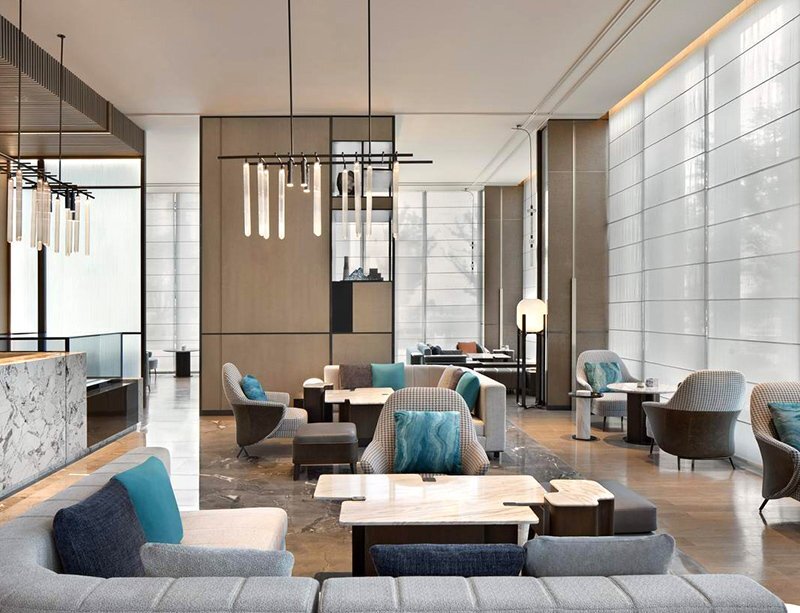
Modular Hotel Furniture Manufacturers provide specialized furniture solutions designed to meet the demanding requirements of hotels, resorts, serviced apartments, and other hospitality properties. Unlike standard residential furniture, hotel furniture must withstand frequent use, regular cleaning, guest turnover, and continuous operational demands while maintaining its appearance. Modular manufacturing can help achieve consistency across multiple rooms while also supporting efficient installation and future replacement.
The principles used in selecting Home Furniture, particularly material quality, durability, appearance, functionality, and ease of maintenance, are also relevant to hospitality furniture. However, hotel projects require these considerations at a significantly larger operational scale. Current hospitality manufacturers highlight the importance of consistent dimensions, commercial-grade materials, customization, and efficient installation for multi-room projects.
Understanding Modular Hotel Furniture
Modular hotel furniture consists of components designed to be manufactured, transported, assembled, and installed efficiently. Guest-room beds, wardrobes, desks, TV units, luggage benches, bedside tables, lobby furniture, restaurant tables, and other pieces can be developed as coordinated modules.
This approach allows hotel owners and designers to maintain a consistent visual identity across rooms and floors while simplifying manufacturing and installation.
Guest Room Furniture
Guest rooms require furniture that combines comfort, functionality, durability, and visual appeal. Common requirements include beds, headboards, bedside tables, wardrobes, writing desks, luggage racks, TV units, minibar cabinets, and seating.
Modular manufacturing allows these elements to be produced according to standardized dimensions and approved finishes. This can be particularly useful for hotels furnishing dozens or hundreds of rooms because consistent production helps maintain uniformity across the property.
Customization for Hotel Brands
Although modular furniture emphasizes standardization, it does not mean every hotel needs identical designs. Manufacturers can customize dimensions, colours, laminates, veneers, upholstery, hardware, metal finishes, and other details according to the property’s design brief.
This allows boutique hotels, business hotels, luxury properties, and resorts to develop distinctive interiors while retaining the manufacturing advantages of modular production.
Durable Materials and Finishes
Hotel furniture experiences considerably more use than typical residential furniture. Materials should therefore be selected according to the specific application, expected traffic, cleaning requirements, humidity, and maintenance conditions.
Commercial-grade laminates, durable boards, solid wood, metal, appropriate veneers, robust hardware, and suitable upholstery can be considered according to project requirements. Material selection should focus on both appearance and long-term performance.
Lobby and Reception Furniture
The lobby creates an important first impression for hotel guests. Reception counters, lounge seating, side tables, consoles, display units, and other furniture should support both the visual identity and operational needs of the space.
Reception counters may require integrated provisions for computers, telephones, payment systems, storage, and cable management. Lounge furniture should provide comfort while maintaining the design character established by the hotel brand.
Restaurant and Dining Furniture
Hotel restaurants require furniture capable of handling frequent daily use. Dining tables, chairs, booths, bar stools, service counters, and buffet furniture should be selected for durability, comfort, cleanability, and visual consistency.
Modular manufacturing can help hospitality properties maintain consistent furniture specifications across restaurants, cafés, lounges, and banquet areas.
Banquet and Conference Furniture
Banquet spaces frequently require furniture to be rearranged for weddings, conferences, meetings, and other events. Stackable chairs, folding tables, modular conference furniture, podiums, and storage systems can make these spaces more adaptable.
Furniture that can be moved, stored, and reconfigured efficiently can help hotel staff prepare venues more quickly while reducing unnecessary storage requirements.
Efficient Manufacturing and Installation
One of the major benefits of modular hotel furniture is the ability to manufacture components under controlled factory conditions. CNC-based production and standardized processes can improve dimensional consistency across large quantities.
Factory-finished modules can also reduce the amount of cutting, finishing, and fabrication required at the project site. This can help create a cleaner installation process and support faster room completion.
Space Optimization
Hotels need to maximize the functionality of every available area. Guest rooms may require wardrobes, desks, luggage storage, entertainment units, and minibars within a limited footprint.
Modular furniture can combine multiple functions within a coordinated design. For example, a wall system may incorporate a TV unit, desk, storage, and minibar into one integrated composition. This approach can help reduce visual clutter while making better use of available space.
Consistency Across Multiple Rooms
Consistency is particularly important for hotel projects. Guests expect rooms within the same category to maintain a similar appearance, while hotel operators need replacement furniture to match existing pieces.
Standardized modular manufacturing can help maintain dimensions, finishes, hardware specifications, and overall design consistency across large quantities. This becomes especially valuable during phased construction, refurbishment, or future replacement.
Furniture for Different Hotel Categories
Furniture requirements vary according to the property’s positioning. Budget and business hotels may prioritize durability, efficient manufacturing, easy maintenance, and cost control. Luxury hotels may place greater emphasis on premium materials, bespoke detailing, upholstery, decorative finishes, and distinctive design elements.
Modular production can accommodate both approaches when manufacturers have appropriate customization and production capabilities.
Sustainability and Material Efficiency
Responsible material selection can contribute to more sustainable furniture production. Efficient cutting plans, durable components, repairable hardware, replaceable parts, and long-lasting finishes can reduce unnecessary material consumption and premature replacement.
For hotel operators, durability is particularly important because furniture that lasts longer can reduce the frequency of refurbishment and replacement.
After-Sales Support and Replacement
Hotel furniture should be considered a long-term investment. Hardware adjustments, replacement components, upholstery repairs, refinishing, and individual furniture replacement may become necessary over time.
A reliable manufacturer should therefore be able to maintain production specifications and provide replacement or maintenance support after installation. This is particularly valuable for properties with large furniture inventories.
Choosing Modular Hotel Furniture Manufacturers
When selecting Modular Hotel Furniture Manufacturers, hotel owners, architects, and procurement teams should evaluate:
- Manufacturing capacity
- Hospitality project experience
- Material and finish options
- Customization capabilities
- Quality-control processes
- Production timelines
- Installation capabilities
- Packaging and logistics
- Warranty and after-sales support
- Ability to maintain consistent specifications
It is also useful to review previous hospitality projects and request samples or prototypes before beginning large-scale production.
Conclusion
Modular Hotel Furniture Manufacturers provide scalable solutions for hospitality projects that require durability, consistency, customization, and efficient installation. From guest rooms and wardrobes to reception areas, restaurants, lounges, and banquet spaces, modular furniture can support the functional and aesthetic requirements of modern hotels.
The best results come from combining thoughtful design with appropriate materials, precise manufacturing, practical installation, and reliable after-sales support. By choosing an experienced manufacturing partner, hotel owners and developers can create interiors that are visually consistent, operationally efficient, comfortable for guests, and durable enough for demanding hospitality environments.