
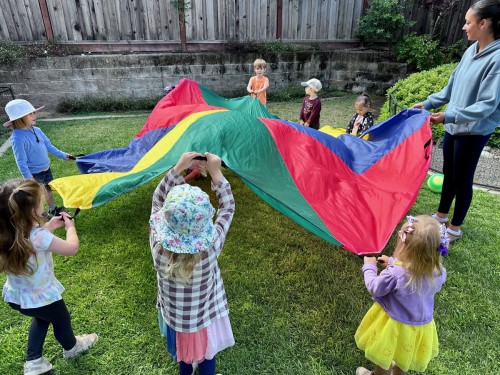
Early childhood education is most effective when children are actively involved in the learning process. Practical experiences help young learners build confidence, independence, and essential life skills that support their overall development. Through montessori practical life activities Hamilton, children engage in meaningful tasks that encourage responsibility, concentration, and self-sufficiency while making learning enjoyable and rewarding.
- The Importance of Practical Life Activities
Practical life activities are a core part of Montessori education. These activities are designed to reflect real-life tasks that children observe in their everyday environments. Rather than focusing solely on academic learning, they help children develop physical coordination, problem-solving abilities, and social awareness.
Simple activities such as pouring water, arranging objects, cleaning a workspace, or caring for plants allow children to gain valuable hands-on experience. These tasks provide opportunities to practice patience, precision, and independence in a supportive setting.
- Benefits of Hands-On Learning
Hands-on learning encourages children to actively participate in their own development. Some of the key benefits include:
- Builds Independence
Practical life exercises empower children to complete tasks on their own. As they master everyday activities, they develop confidence in their abilities and become more self-reliant.
- Strengthens Fine Motor Skills
Many Montessori activities involve careful hand movements that improve coordination and dexterity. These skills are essential for future tasks such as writing, drawing, and using classroom materials effectively.
- Encourages Concentration
When children engage in purposeful activities, they naturally develop the ability to focus for longer periods. This concentration supports learning across all areas of development.
- Promotes Responsibility
Practical life lessons teach children to care for themselves, their belongings, and their environment. This sense of responsibility helps them become thoughtful and capable individuals.
- Supports Social Development
Children learn important social skills through cooperation, respect, and shared responsibilities. These experiences contribute to positive interactions with peers and adults.
- Creating Meaningful Learning Experiences
A Montessori environment is carefully prepared to encourage exploration and independence. Materials are arranged in an accessible way, allowing children to choose activities that match their interests and abilities.
Educators guide children through demonstrations and provide encouragement while allowing them the freedom to practice skills independently. This balance of support and autonomy helps children gain confidence while developing a genuine love for learning.
The focus remains on the learning process rather than the outcome. Children are encouraged to repeat activities until they feel comfortable and successful, building persistence and self-motivation along the way.
- Preparing Children for Everyday Success
Practical life experiences extend beyond the classroom. The skills children learn can be applied at home, in social situations, and throughout their educational journey. By participating in meaningful tasks, children develop habits that contribute to lifelong success.
These activities nurture independence, self-discipline, organization, and confidence—qualities that help children navigate challenges and adapt to new experiences as they grow.
Final Thoughts
Practical life activities provide young learners with valuable opportunities to develop essential skills through meaningful, hands-on experiences. By encouraging independence, concentration, responsibility, and confidence, these activities create a strong foundation for future learning and personal growth. At Montessori for Toddlers, children are supported in discovering their abilities through engaging experiences that foster curiosity, self-confidence, and a lifelong love of learning.