
Steel plays a vital role in almost every construction and engineering project, and among structural steel products, MS channels remain one of the most widely used materials. Whether it is industrial buildings, warehouses, bridges, fabrication work, transportation projects, or commercial construction, MS channels provide the strength and support needed for long-lasting structures. Because of their importance, the MS Channel Price Trend has become a key market indicator for builders, manufacturers, contractors, traders, and procurement professionals. Regular changes in MS Channel Prices affect project costs, purchasing decisions, and business profitability. Understanding these price movements helps companies plan better, manage budgets wisely, and make informed buying decisions before market conditions change.
Why MS Channels Are Important in Modern Construction
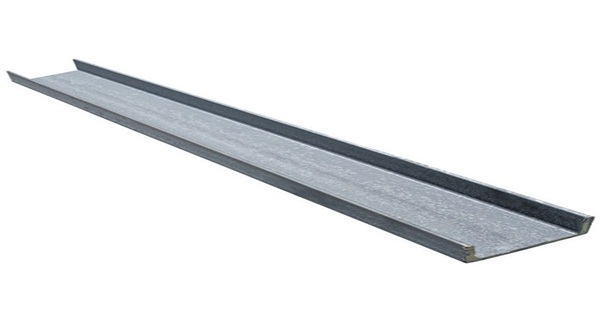
MS channels are structural steel sections with a C-shaped profile designed to provide excellent strength and load-bearing capacity. They are commonly used in construction frameworks, factory buildings, machinery, transportation equipment, storage systems, industrial platforms, support structures, and infrastructure projects.
👉 👉 👉 Please Submit Your Query for MS Channel Price Trend demand-supply, suppliers, market analysis:https://www.price-watch.ai/book-a-demo/
One reason MS channels remain popular is their flexibility. They can be easily cut, welded, drilled, and fabricated into different structural designs. Their durability and reliability make them a preferred choice for engineers and contractors working on projects that require long-lasting performance.
Since demand for MS channels comes from several industries, the MS Channel Price Trend is closely linked to the overall performance of the steel market.
Understanding the MS Channel Market
The market for MS channels is influenced by several factors working together. Construction activity, industrial growth, infrastructure investment, raw material costs, transportation expenses, supply availability, and buyer confidence all contribute to changes in pricing.
When governments invest in infrastructure and private companies expand manufacturing facilities, demand for structural steel products increases. As more buyers enter the market, MS Channel Prices often strengthen because suppliers receive larger volumes of orders.
However, during periods of slower construction or cautious industrial investment, demand softens, creating temporary pressure on prices. These normal market cycles explain why the MS Channel Price Trend changes over time.
Infrastructure Development Creates Strong Demand
Infrastructure remains one of the biggest drivers of steel consumption. Roads, highways, bridges, metro rail systems, airports, industrial parks, warehouses, ports, and power projects all require structural steel products throughout construction.
As infrastructure spending increases, contractors begin purchasing materials well before project execution starts. This early procurement creates additional demand for MS channels and helps support MS Channel Prices.
Infrastructure development also generates demand from engineering companies, fabrication workshops, transportation equipment manufacturers, and industrial contractors, creating a positive environment for the steel industry.
Construction Activity Supports Market Stability
The construction industry continues to consume significant quantities of MS channels. Residential buildings, office complexes, hospitals, schools, factories, shopping malls, logistics centers, and commercial buildings all depend on structural steel during different stages of development.
Builders often purchase steel materials in advance to avoid delays caused by market shortages or transportation issues. This regular buying activity provides stability to the MS Channel Price Trend, especially during periods of strong construction demand.
Urban development and expanding industrial zones further contribute to consistent steel consumption.
Manufacturing Growth Boosts Steel Consumption
Manufacturing industries also play an important role in supporting demand for MS channels. Factories producing machinery, agricultural equipment, storage systems, heavy vehicles, industrial equipment, and fabricated steel products require structural steel for production.
As manufacturing activity improves, companies increase purchases of raw materials to maintain production schedules. Fabricators also build inventories to ensure timely delivery to customers.
This continuous industrial demand helps maintain healthy MS Channel Prices across the market.
Raw Material Costs Influence Market Prices
The production cost of MS channels depends largely on the cost of raw materials used during steel manufacturing. Iron ore, steel scrap, coking coal, electricity, fuel, transportation, and labor all contribute to total production expenses.
When raw material prices increase, steel manufacturers generally adjust selling prices to protect operating margins. This naturally affects the MS Channel Price Trend.
Even if market demand remains stable, increases in freight costs or energy expenses can gradually push MS Channel Prices higher.
On the other hand, stable raw material costs often help maintain balanced pricing across the steel market.
Supply and Inventory Levels Affect Pricing
Supply conditions play an equally important role in determining market prices.
If steel mills reduce production because of maintenance work, capacity optimization, or limited raw material availability, supply becomes tighter. With fewer products available, buyers compete for inventory, leading to stronger MS Channel Prices.
However, if production exceeds market demand, inventories accumulate at mills and warehouses. In such situations, suppliers may offer competitive prices to reduce stock levels.
Finding the right balance between supply and demand remains one of the biggest influences on the MS Channel Price Trend.
Transportation Costs Also Matter
Steel products travel long distances before reaching construction sites or manufacturing facilities. Transportation therefore becomes an important part of total purchasing costs.
Freight charges, diesel prices, railway transportation, port handling, and logistics expenses all influence the delivered cost of MS channels.
Even when factory prices remain unchanged, higher transportation costs can increase the final price paid by customers.
Efficient logistics help maintain a smooth supply chain, while transportation challenges can temporarily affect product availability in different regions.
Buyer Sentiment Shapes Market Direction
Market expectations often influence purchasing behavior.
When businesses expect steel prices to increase, they usually place larger orders earlier than planned. This advance buying supports the MS Channel Price Trend by increasing short-term demand.
When buyers expect prices to decline, they delay purchases and reduce inventory levels. This cautious approach slows market activity until buying confidence returns.
Because purchasing strategies change according to market expectations, buyer sentiment remains an important factor influencing MS Channel Prices.
Why Businesses Should Follow the MS Channel Price Chart
Many procurement professionals regularly monitor the MS Channel Price Chart before making purchasing decisions.
The chart helps businesses understand historical market movements, identify seasonal demand patterns, and compare previous pricing cycles.
Instead of relying only on current market prices, companies can use the MS Channel Price Chart to improve procurement planning, negotiate supplier contracts more effectively, and schedule purchases during favorable market conditions.
Historical pricing information provides valuable insights that support better business decisions.
Understanding the MS Channel Price Index
The MS Channel Price Index offers a broader understanding of overall market direction.
Unlike daily market fluctuations, the price index measures long-term price movements and helps businesses identify whether the steel market is generally strengthening, remaining stable, or gradually softening.
Many procurement teams combine the MS Channel Price Index with inventory levels, construction demand, manufacturing activity, and raw material trends before making large purchasing decisions.
This broader market perspective reduces procurement risk and supports better financial planning.
What Businesses Should Monitor
Companies purchasing MS channels regularly should monitor several important indicators.
Construction activity, infrastructure investment, steel production, manufacturing growth, raw material costs, transportation expenses, inventory levels, and government development plans all influence future pricing.
👉 👉 👉 Please Submit Your Query for MS Channel Price Trend demand-supply, suppliers, market analysis:https://www.price-watch.ai/book-a-demo/
Keeping track of these factors alongside the MS Channel Price Trend allows businesses to anticipate market changes instead of reacting after prices move.
Companies with strong market awareness are often able to reduce purchasing costs and improve supply chain efficiency.
Future Outlook for the MS Channel Market
The long-term outlook for MS channels remains encouraging because structural steel continues to play an essential role in economic development.
Growing investments in transportation infrastructure, renewable energy, logistics facilities, manufacturing plants, commercial construction, and urban expansion are expected to support steady demand for structural steel products.
Although temporary price fluctuations will continue because of changing supply conditions and raw material costs, overall demand for MS channels is expected to remain healthy due to their importance in modern engineering and construction.
Businesses that monitor MS Channel Prices, production levels, logistics conditions, and infrastructure activity will be better prepared to make informed purchasing decisions.
The MS Channel Price Trend reflects the combined influence of construction demand, infrastructure investment, manufacturing growth, raw material costs, transportation expenses, inventory levels, and buyer confidence. Every movement in MS Channel Prices provides valuable information for contractors, manufacturers, distributors, fabricators, and procurement professionals.
Following the MS Channel Price Chart helps businesses understand historical market behavior, while the MS Channel Price Index provides a broader picture of long-term pricing direction. Together, these tools support smarter purchasing strategies, improved budgeting, and better supply chain management.
As infrastructure development and industrial expansion continue across global markets, demand for structural steel products is expected to remain strong. Companies that consistently monitor the MS Channel Price Trend, evaluate changing market conditions, and adapt their procurement strategies will be better positioned to control costs, reduce risk, and remain competitive in an evolving steel industry.
𝐀𝐛𝐨𝐮𝐭 𝐏𝐫𝐢𝐜𝐞-𝐖𝐚𝐭𝐜𝐡™
Price-Watch AI is an India-based, independent raw material price reporting agency that provides real-time price forecasts and data-driven insights into global raw material markets. Price-Watch AI specializes in tracking raw material prices, analyzing market trends, and delivering timely updates on plant shutdowns, supply disruptions, capacity expansions, and demand-supply dynamics. The Price-Watch AI platform empowers manufacturers, traders, and procurement professionals to make faster, smarter decisions. Leveraging AI-powered forecasting and over a decade of historical data, Price-Watch AI transforms market volatility into actionable opportunity.
Futura Tech Park,
C Block, 8th floor 334,
Old Mahabalipuram Road,
Sholinganallur, Chennai, Tamil Nadu, Pincode – 600119.
𝐋𝐢𝐧𝐤𝐞𝐝𝐈𝐧: https://www.linkedin.com/company/price-watch-ai/
𝐅𝐚𝐜𝐞𝐛𝐨𝐨𝐤: https://www.facebook.com/people/Price-Watch/61568490385598/
𝐓𝐰𝐢𝐭𝐭𝐞𝐫: https://x.com/pricewatchai
𝐖𝐞𝐛𝐬𝐢𝐭𝐞: https://www.price-watch.ai/