
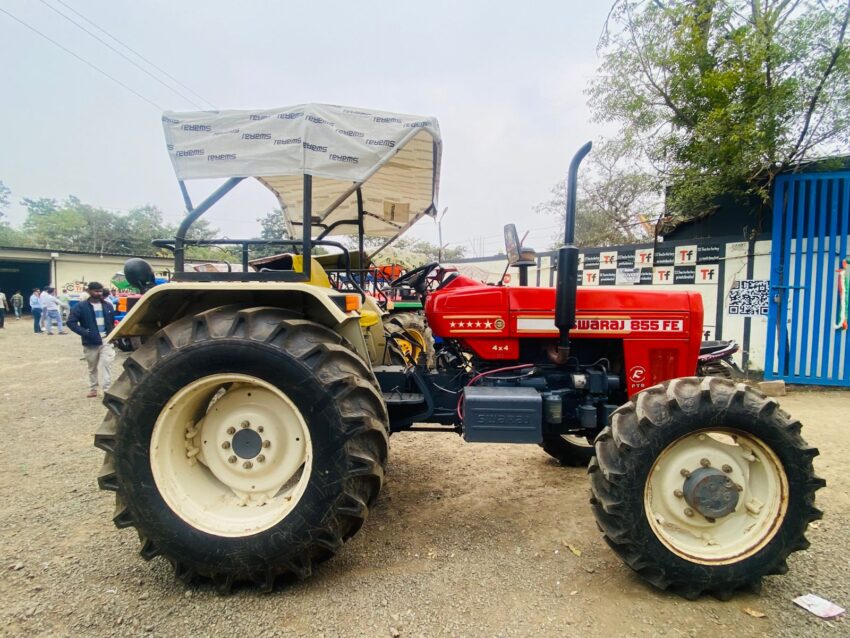
There’s a certain sound an old tractor makes when it starts on a cold morning. Not smooth. Not quiet. More like a deep cough followed by a steady, stubborn rhythm. Anyone who has worked land for years knows that sound. It means the day can begin.
Old tractors aren’t museum pieces for most farmers. They’re tools. Scratched paint, faded decals, seat torn at the edges. None of that stops them from pulling a plough straight or hauling a loaded trolley down a dusty village road. I’ve seen machines older than their owners still doing honest work, season after season.
Why Old Tractors Refuse to Disappear
People often ask why farmers still hold on to older machines when newer models promise more features. The answer is simple and practical. Old tractors are familiar. Every sound, every vibration, every small habit is known. When something feels off, you know it instantly.
There’s no learning curve. No complicated electronics. No panic when a warning light flashes with no clear meaning. You turn the key, pull the lever, and get to work.
And when something breaks, it’s usually fixable without calling a technician from three districts away.
Built for Work, Not for Show
Older tractors were designed in a different mindset. They were built to survive rough handling, poor fuel, long hours, and uneven maintenance. Thick metal. Simple gearboxes. Engines that could take abuse and still keep running.
I’ve seen old tractors run entire harvest seasons without once seeing a service center. Just basic care. Oil changed on time. Filters cleaned. A bit of grease where it matters.
They weren’t trying to impress anyone. They were made to work.
The Comfort Myth
Yes, older tractors don’t have air-conditioned cabins or fancy suspension seats. No argument there. But comfort is relative. Many farmers grew up riding these machines. Their bodies adjusted. Their hands learned the weight of the steering wheel. Their ears learned the engine note.
For short to medium fieldwork, old tractors are still comfortable enough. And for many, the absence of electronics actually reduces stress. Fewer things to worry about. Fewer surprises.
Fuel Efficiency in the Real World
On paper, newer tractors often claim better fuel efficiency. In practice, old tractors can be surprisingly economical when used correctly. Especially for light to medium tasks like tilling, transport, or operating basic implements.
Older engines run at steady RPMs. No sudden spikes. No sensor-driven adjustments that don’t match real field conditions. When driven by someone who understands them, fuel consumption stays reasonable.
I’ve watched farmers track fuel use down to the liter. Many older machines hold their own just fine.
Maintenance That Makes Sense
One of the biggest strengths of old tractors is maintenance. You don’t need a laptop to diagnose problems. You don’t need special tools that cost half a month’s income. Most repairs can be handled locally.
A clutch plate change. Injector cleaning. Brake adjustment. These are routine jobs for local mechanics. Parts are widely available. And even when original parts are gone, compatible alternatives exist.
This keeps running costs predictable. No sudden shocks.
Spare Parts and Local Knowledge
Old tractors benefit from something money can’t easily buy. Experience. Mechanics have worked on these machines for decades. They know the common issues. They know the shortcuts. They know which fixes last and which don’t.
Spare parts shops in rural areas still stock components for popular old models. Sometimes you’ll find parts hanging on hooks, dark with age, waiting for the right tractor to need them.
That kind of ecosystem doesn’t vanish overnight.
Perfect for Small and Medium Farms
Not every farm needs high horsepower or advanced hydraulics. Many farms operate on limited acreage. For them, an old tractor is often more than enough.
Ploughing small plots. Running seed drills. Carrying produce. These tasks don’t demand cutting-edge technology. They demand reliability.
Teaching the Next Generation
There’s something special about learning to drive on an old tractor. You feel everything. The clutch engagement. The gear resistance. The way the engine responds to load.
Young operators who start on older machines often develop better mechanical sense. They listen more. They feel more. They learn respect for the machine.
Those skills transfer easily to newer equipment later.
Resale Value That Holds Steady
Old tractors don’t depreciate the way new ones do. Once they reach a certain age and price range, values stabilize. In some cases, well-maintained machines even increase in demand.
Buyers know what they’re getting. No hidden software. No locked systems. Just metal and mechanics.
This makes old tractors a safer investment for many farmers.
Emotional Attachment Matters
It may sound sentimental, but it’s real. Many old tractors carry stories. A father’s first purchase. A machine that helped clear debts. A tractor that worked through droughts and good years alike.
Selling such a machine isn’t just a financial decision. It’s personal.
That emotional bond keeps many old tractors running long after logic says they shouldn’t.
Limits You Should Acknowledge
Old tractors aren’t perfect. They lack safety features found in modern machines. Braking systems may be basic. Lighting can be inadequate for night work. Noise levels are higher.
Using them responsibly matters. Regular checks. Proper maintenance. Awareness of their limits.
They reward care. They punish neglect.
Old Tractors in Modern Farming
Even in farms that own new equipment, old tractors still have a place. They handle secondary tasks. Backup duties. Jobs where risking an expensive machine doesn’t make sense. During peak seasons, having an extra tractor, even an old one, can save an entire operation from delays.
Restoration Versus Practical Use
Some people restore old tractors to showroom condition. Polished paint. New decals. Chrome details. That’s fine, but most working farmers don’t bother.
They prefer practical restoration. Engine health. Strong hydraulics. Reliable brakes. Appearance comes last.
A tractor doesn’t need to look new to work hard.
Choosing the Right Old Tractor
Not all old tractors are equal. Condition matters more than age. A well-maintained 30-year-old machine can outperform a neglected 15-year-old one.
Check engine compression. Listen for unusual knocks. Test hydraulics under load. Inspect gear shifts. Look for oil leaks that suggest deeper problems.
Patience during inspection saves money later.
Why Old Tractors Still Make Sense
Old tractors survive because they fit real farming needs. Not marketing needs. Not showroom expectations. Real soil. Real weather. Real budgets.
They ask for respect and basic care. In return, they offer steady work, familiar handling, and manageable costs.
That’s a fair deal.
The Quiet Future of Old Iron
As technology advances, old tractor won’t vanish. They’ll adapt. They’ll move to smaller farms. Secondary roles. Hobby farming. Contract work.
They’ll continue starting on cold mornings. Continuing their steady rhythm. Still earning their keep.