
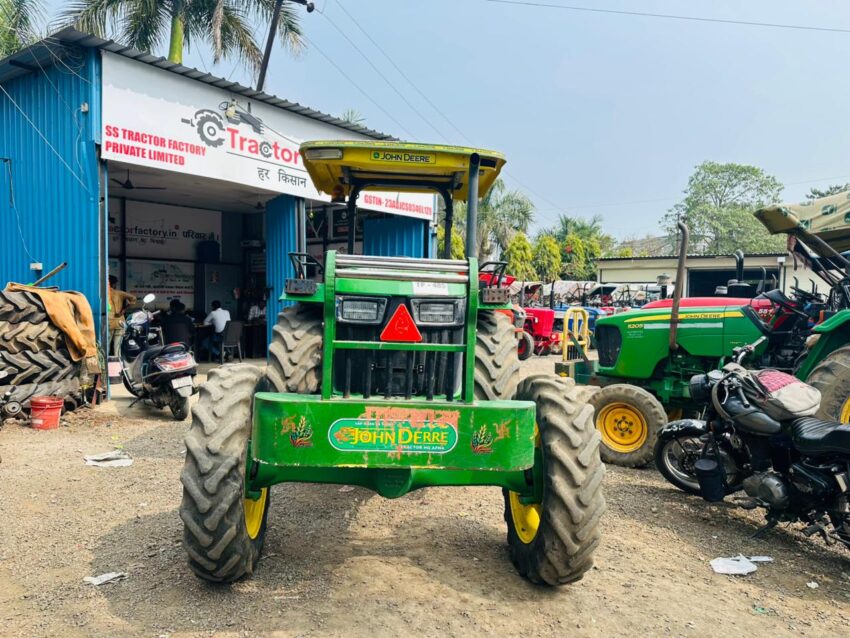
The First Time I Bought an Old Tractor Here
Buying an old tractor in Jabalpur is not like picking a machine from a catalog. It’s more like shaking hands with history. I still remember standing in a dusty yard near Katangi Road, engine oil on my fingers, listening to a tractor idle with that uneven, confident sound. Not perfect. Not silent. But honest. Old tractors here carry the marks of years spent in black soil, river-adjacent fields, and rocky patches where new machines sometimes hesitate.
Why Old Tractors Still Rule Jabalpur’s Fields
There’s a reason farmers around Jabalpur don’t rush to replace their old tractors. The land here is mixed. Some fields are soft and forgiving, others tough and stubborn. Older tractors were built heavy, without fragile electronics. You turn the key, feel the vibration, and you know what the machine is thinking. That kind of feedback matters when ploughing after uneven monsoon rain.
Local Farming Conditions Shape Tractor Choices
Jabalpur’s farming isn’t uniform. One village leans on wheat, another focuses on pulses, and some patches still rotate crops the old way. Old tractors adapt better to this variety. Their gear ratios feel right for slow tilling and steady hauling. No sudden jerks. No confusing dashboards. Just levers, pedals, and sound.
What Makes an Old Tractor a Good Buy Here
A good old tractor isn’t about paint or decals. It’s about compression, clutch bite, and how smoothly the hydraulics lift a loaded implement. In Jabalpur, I’ve seen tractors with faded colors but engines that start on the first crank. Those are the ones worth your time. A few oil stains are fine. A knocking engine is not.
Mechanics Matter More Than Model Names
People often chase brand names. I’ve learned to chase mechanics. Local mechanics in Jabalpur understand these machines like family. They know which tractors overheat in summer and which ones handle long hours without complaint. If a mechanic nods quietly after hearing the engine, that nod is worth more than any brochure.
Spare Parts Are Never Far Away
One advantage of buying old tractors in Jabalpur is parts availability. Walk into almost any tractor parts shop and you’ll find what you need. Clutch plates, filters, injectors, even used gear assemblies. You don’t wait weeks. You don’t overpay. The ecosystem already exists, built over decades.
Price Expectations and Real-World Deals
Prices vary, and they should. A well-maintained old tractor with good tyres and smooth hydraulics will cost more, and rightly so. In Jabalpur, fair deals happen when both sides talk openly. I’ve seen farmers sell machines they cared for deeply, not because they were bad, but because times changed. Those tractors deserve another season.
Old Tractors and Seasonal Work
During peak seasons, old tractors show their true value. When fields need quick preparation before rain, reliability beats luxury. I’ve seen older machines work day and night, headlights dim but steady, pulling cultivators without complaint. They may drink a little more diesel, but they rarely leave you stranded.
Trust Built Through Usage, Not Ads
Many tractors sold in Jabalpur never see an advertisement. They’re sold through word of mouth. One farmer tells another. Someone’s cousin is upgrading. Trust travels faster than marketing here. If a tractor has done good work, people know.
What to Check Before Finalizing the Deal
Always check cold starts. If a tractor starts easily in the morning, that’s a good sign. Look at smoke color. Feel the clutch engagement. Test hydraulics under load, not empty. In Jabalpur, sellers usually allow proper testing because reputation matters more than rushing a sale.
Old Tractors for Small and Medium Farmers
Not everyone needs a high-horsepower machine. Many farmers around Jabalpur work smaller plots. Old tractors fit perfectly into this scale. They’re easier to maintain, cheaper to repair, and forgiving when operated by different hands within a family.
Learning Happens Faster on Old Machines
I’ve noticed younger farmers learn faster on older tractors. There’s less automation, more feel. You understand soil resistance through the steering wheel. You hear engine strain before it becomes a problem. That connection builds confidence, not dependency.
Resale Value Holds Surprisingly Well
A well-kept old tractor doesn’t lose value quickly in Jabalpur. Demand stays steady. If you maintain it, you can sell it years later without heavy loss. That’s rare in machinery. It makes old tractors a safer financial decision.
Emotional Value Can’t Be Ignored
Some tractors come with stories. They’ve tilled the same land for years. Selling them is emotional. Buying them feels like responsibility. I’ve seen buyers promise to keep a tractor running, not scrap it. That respect matters in rural communities.
Transport, Registration, and Paperwork
Paperwork is usually straightforward if done right. Registration transfers, insurance updates, and basic compliance are manageable locally. Many agents in Jabalpur handle this daily. It’s not complicated, just don’t ignore it.
Fuel Efficiency in Real Conditions
Old tractors aren’t always fuel-efficient on paper, but in real fields, they perform steadily. No sudden spikes. No electronic surprises. You plan your fuel usage based on experience, not guesswork.
Long-Term Ownership Reality
Owning an old tractor means listening to it. Regular oil changes, timely greasing, and small repairs before they grow. In Jabalpur, this habit is common. Machines are treated like tools, not disposable items.
Why Old Tractors Still Make Sense Today
New tractors are impressive, no doubt. But old tractors still make sense where work is honest and margins are tight. They match the rhythm of farming here. Slow when needed. Strong when required.
Final Thoughts from the Field
An old tractor in Jabalpur isn’t outdated. It’s seasoned. It’s learned the land. If you choose carefully, maintain it well, and respect what it can and can’t do, it will serve you faithfully. I’ve seen it happen too many times to call it luck.