
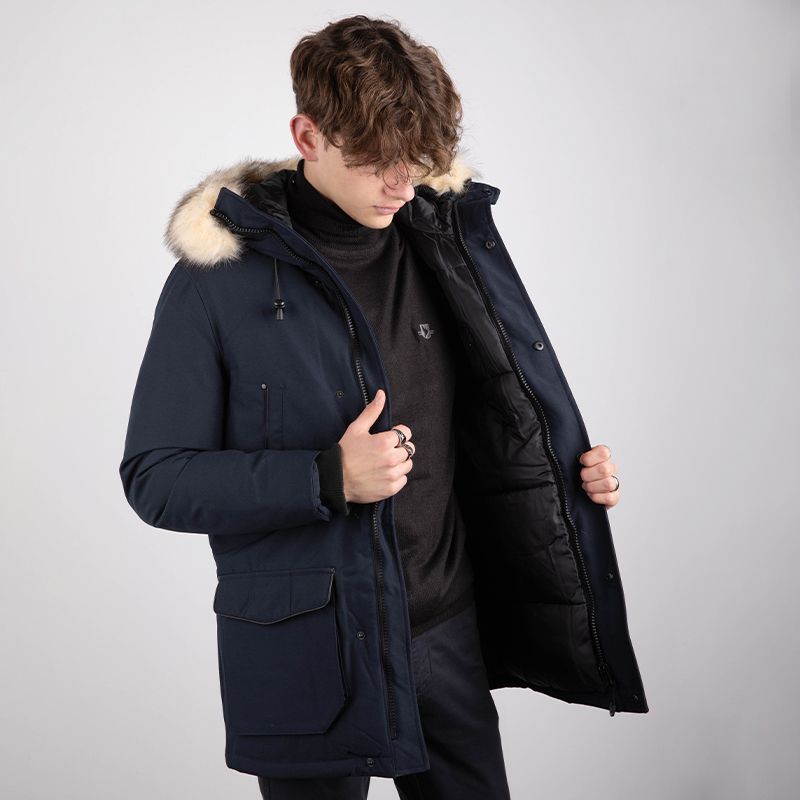
The Paragoose is a mythical creature that has emerged from the realms of both folklore and modern imagination. A unique hybrid between the graceful goose and the ethereal paraglider, this creature is often depicted as soaring through the skies with the body of a goose and wings that resemble a paraglider’s fabric. In various cultures, the Paragoose has evolved from a fantastical concept to a symbol of freedom, adventure, and transcendence. While not rooted in traditional mythology, the creature draws inspiration from both ancient and contemporary sources, representing a bridge between the natural world and human technological innovations.
The term “Paragoose” is an amalgamation of two separate ideas: the “para” from paragliding, representing human-made flight, and the “goose” from the well-known bird species, symbolizing the natural world’s effortless grace in the air. This fusion evokes an image of a creature that could traverse both terrestrial and aerial domains with ease, unburdened by the constraints of either environment. It is a product of humanity’s enduring fascination with the possibility of merging nature with technology.
The Paragoose in Modern Mythology and Pop Culture
In the realm of modern mythology, the Paragoose holds a special place. While it has not yet achieved the level of recognition seen by other mythical creatures like dragons or unicorns, the Paragoose has gained popularity among creatives, particularly in art, literature, and digital media. This modern mythical creature embodies the spirit of a world that blends natural beauty with human ingenuity.
In popular culture, the Paragoose is often used as a metaphor for human aspirations to conquer both nature and technology. The creature appears in stories where human characters strive for both literal and metaphorical flight—breaking free from the earthly constraints that bind them. It serves as a symbol of hope and possibility, encouraging the belief that the limits we face can be transcended with innovation and imagination.
An example of the Paragoose appearing in contemporary media includes its presence in video games, animated films, and art installations, where it is depicted as both a magnificent and serene figure gliding across landscapes. As with other modern mythical creatures, the Paragoose also reflects the growing trend of combining traditional mythological archetypes with modern innovations, allowing for an engaging reimagining of the animal kingdom.
Paragoose: The Creature’s Anatomy and Physical Description
The Paragoose, while a flight-capable creature, exists as a fascinating blend of the natural and artificial worlds. Visually, the Paragoose resembles a typical goose in many aspects, from its sleek body to its strong, muscular legs. However, it differs dramatically in its wings. Rather than sporting the usual feathered wings of a goose, the Paragoose’s wings resemble those of a paraglider—a finely stitched fabric wing stretched over lightweight struts. This combination of bird and human engineering allows the Paragoose to glide effortlessly across vast distances, combining the agility of a bird with the extended flight capabilities of a human-engineered apparatus.
The creature’s head is often portrayed as having the elegant, slender neck and sharp beak of a goose, but with an added feature: large, intelligent eyes that convey a sense of wisdom and understanding of the world around it. The Paragoose is typically shown in an alert, yet serene pose, embodying the harmony between the wild and the engineered. Its tail feathers are strong and aerodynamic, contributing to its ability to control its flight with ease.
Interestingly, the Paragoose’s hybrid nature does not stop at its physical appearance. Its ability to traverse both land and sky reflects the unique blend of instincts and learned behaviors. Just as the goose migrates seasonally, the Paragoose is portrayed as following its own migration pattern, though it uses both natural instincts and the technological prowess embedded in its wings to guide it on these journeys.
Symbolism of the Paragoose: Bridging Earth and Sky
The Paragoose serves as a powerful symbol of bridging boundaries—both literally and figuratively. In its unique nature, it represents the tension between two worlds: the natural world, where animals move freely and without limitation, and the human world, where technology allows us to manipulate and transcend the environment around us. The Paragoose, soaring in the sky with wings that blend nature’s elegance and human innovation, embodies the harmony between these two realms.
This symbolic role can also extend to the philosophical and existential. In a world that often feels divided between the pull of nature and the drive for technological advancement, the Paragoose reminds us of the potential for these forces to coexist, rather than clash. It represents the possibility of finding balance between these realms, suggesting that we can embrace both the natural world’s wonder and the ingenuity of human creation without sacrificing one for the other.
Additionally, the Paragoose can be seen as a symbol of personal freedom. The ability to navigate both earth and sky signifies the power to transcend the limitations placed upon us, whether by society, the environment, or even ourselves. This metaphor resonates strongly with individuals who seek to break free from personal constraints and soar into new possibilities, whether through physical exploration, intellectual growth, or personal transformation.
The Paragoose in Environmental and Ecological Contexts
Given its unique hybrid nature, the Doudoune Paragoose could also be explored within the context of environmentalism and ecological awareness. While the Paragoose itself is a mythical creature, its symbolic qualities resonate deeply with current conversations around sustainability, conservation, and the relationship between humanity and the natural world.
In this sense, the Paragoose could serve as a reminder of humanity’s potential to create technologies that work in harmony with nature. Just as the creature combines the organic with the engineered, our future advancements in fields like renewable energy, bioengineering, and eco-friendly technologies could allow us to live in closer alignment with the planet, without sacrificing progress. The Paragoose, with its wings fashioned from human innovation, could stand as a metaphor for a future where technology enhances, rather than exploits, the natural world.