
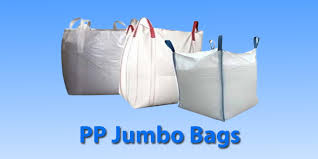
Introduction to PP Jumbo Bags
In industries where large quantities of materials need to be stored and transported efficiently, PP Jumbo Bags have become an essential packaging solution. Also known as FIBC (Flexible Intermediate Bulk Containers), these bags are designed to handle bulk loads safely and economically. Made from woven polypropylene fabric, PP jumbo bags are widely used in sectors such as agriculture, chemicals, construction, food processing, and mining. Their ability to carry heavy loads while maintaining durability and safety makes them a preferred choice for bulk packaging.
What Is a PP Jumbo Bag?
A PP jumbo bag is a large, flexible container made from woven polypropylene fabric, capable of carrying loads ranging from 500 kg to 2000 kg or more. These bags are designed with lifting loops that allow easy handling using forklifts or cranes. They come in various shapes and sizes, including U-panel, circular, baffle, and four-panel designs, each suited for different types of materials. PP jumbo bags are commonly used for transporting products like grains, fertilizers, sand, chemicals, and construction materials.
Manufacturing Process and Material Composition
The production of PP jumbo bags involves multiple steps to ensure strength and reliability. Polypropylene granules are melted and extruded into thin tapes, which are then woven into strong fabric. This fabric is cut and stitched into large bags with reinforced seams. Additional features such as liners, coatings, and UV stabilization may be added depending on the application. Quality control is crucial, and each bag is tested for load capacity, tensile strength, and safety standards to ensure it can handle heavy-duty usage.
Key Features and Advantages
One of the biggest advantages of PP jumbo bags is their high load-bearing capacity. They are designed to carry heavy materials without tearing or breaking. These bags are lightweight compared to rigid containers, making them easy to transport and store when not in use. They are resistant to moisture, UV rays, and chemicals, which helps protect the contents from environmental damage. Their collapsible nature allows for efficient storage, reducing space and logistics costs. Additionally, they are reusable and recyclable, making them a cost-effective and sustainable packaging option.
Types of PP Jumbo Bags
PP jumbo bags are available in different types to meet various industrial requirements. U-panel bags are commonly used for general purposes and offer good strength. Circular bags are made from tubular fabric and provide uniform strength throughout. Baffle bags are designed to maintain a square shape, allowing better stacking and space utilization. Conductive and anti-static bags are used for handling hazardous materials that require protection from static electricity. Each type is designed to meet specific handling, storage, and safety needs.
Applications Across Industries
PP jumbo bags are used in a wide range of industries due to their versatility. In agriculture, they are used for storing and transporting grains, seeds, and fertilizers. The construction industry uses them for sand, gravel, and cement. In the chemical industry, they are used for powdered and granular substances, ensuring safe handling and transportation. The food industry uses food-grade jumbo bags for products like sugar, flour, and rice. Their ability to handle bulk materials efficiently makes them indispensable in logistics and supply chain operations.
Safety and Handling Considerations
Safety is a critical factor when using PP jumbo bags. These bags are designed with specific safety factors, such as 5:1 or 6:1 ratios, indicating their load-bearing reliability. Proper handling techniques, including correct lifting methods and weight limits, must be followed to prevent accidents. Bags used for hazardous materials must comply with international safety standards and may include features like liners and anti-static properties. Regular inspection and proper storage also help maintain their performance and safety.
Environmental Impact and Sustainability
PP jumbo bags offer several environmental benefits compared to traditional packaging methods. Their reusability reduces the need for single-use packaging, minimizing waste. They are also recyclable, allowing the material to be repurposed into new products. Their lightweight design reduces fuel consumption during transportation, contributing to lower carbon emissions. Many manufacturers are now focusing on producing eco-friendly jumbo bags using recycled materials and sustainable practices.
Customization and Industrial Benefits
One of the key strengths of PP jumbo bags is their customization capability. They can be designed in various sizes, shapes, and specifications to suit different materials and industries. Features such as liners, discharge spouts, filling tops, and printing options can be added based on requirements. Companies can print logos, product details, and handling instructions on the bags, enhancing branding and usability. This flexibility makes PP jumbo bags suitable for a wide range of applications.
Future Trends and Innovations
The future of PP jumbo bags is driven by advancements in material technology and sustainability. Innovations such as biodegradable polypropylene, improved UV resistance, and enhanced safety features are being developed. Automation in manufacturing is increasing efficiency and ensuring consistent quality. As industries continue to focus on cost-effective and eco-friendly solutions, PP jumbo bags are expected to play an even more significant role in bulk packaging.
Conclusion
PP jumbo bags are a reliable and efficient solution for bulk material handling and transportation. Their strength, versatility, and cost-effectiveness make them an essential part of modern industrial packaging. With increasing focus on sustainability and innovation, these bags are evolving to meet future demands. For businesses dealing with large-scale materials, PP jumbo bags offer a practical, safe, and economical packaging solution.