
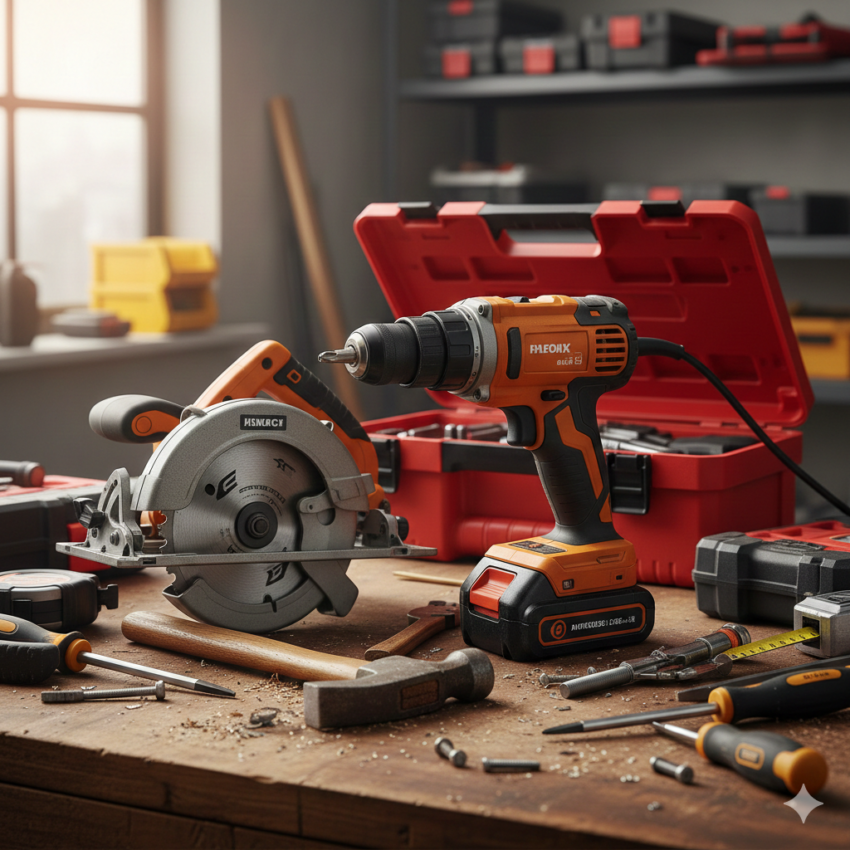
Outdoor work requires equipment that can handle changing conditions, uneven surfaces, and varied tasks. From maintaining property spaces to managing routine outdoor upkeep, having dependable equipment makes work safer, faster, and more efficient. The right setup supports consistent performance while reducing physical effort and unnecessary delays.
Unlike indoor projects, outdoor tasks often involve exposure to weather, debris, and tougher materials. Equipment must be designed to perform reliably in these environments. Understanding how outdoor-focused equipment supports daily work helps users approach tasks with greater confidence and control.
Why Outdoor Work Demands Specialized Equipment
Outdoor environments present unique challenges. Moisture, dust, temperature changes, and rough terrain can quickly wear down equipment that is not built for these conditions. Using tools designed for outdoor use helps ensure consistent operation and reduces the risk of failure.
Specialized equipment also improves safety. Proper grip, balanced design, and controlled power delivery help users maintain stability while working outdoors. Reliable performance minimizes interruptions and supports smoother task completion.
Outdoor-focused design improves both safety and efficiency.
Supporting Efficiency in Routine Outdoor Tasks
Routine outdoor tasks often involve repetitive actions such as trimming, clearing, or general maintenance. Efficient equipment reduces the physical strain associated with these activities and allows users to complete work more quickly.
Consistent performance helps maintain momentum throughout the task. When equipment responds predictably, users can focus on accuracy rather than compensating for limitations. Efficiency leads to better results with less effort.
Productivity improves with dependable performance.
Durability and Performance in Changing Conditions
Durability is a critical requirement for outdoor equipment. Exposure to sunlight, moisture, and debris can quickly degrade poorly made products. Durable materials and thoughtful construction help equipment maintain performance over time.
Reliable equipment resists wear and continues to function under demanding conditions. This reduces downtime and lowers the need for frequent replacement. Long-lasting performance adds value and reliability to outdoor work.
Durability supports long-term usability.
Managing Power and Control Outdoors
Outdoor tasks often require a balance between power and control. Too much force can damage surfaces or create safety risks, while insufficient power slows progress. Equipment designed for outdoor use offers controlled performance that adapts to task demands.
Adjustable features and ergonomic designs help users maintain accuracy while working in open environments. Controlled operation improves results and reduces fatigue during extended use.
Balanced performance enhances control.
Safety Considerations for Outdoor Equipment Use
Safety is especially important in outdoor environments where footing may be uneven and visibility may change. Equipment designed for stability and ease of handling helps reduce the risk of accidents.
Proper safety features support confident operation even in challenging conditions. Regular inspection and proper handling further improve safety. Safe equipment allows users to focus on task quality without unnecessary concern.
Safety-focused design builds confidence.
Supporting Property Maintenance and Upkeep
Outdoor equipment plays a key role in maintaining residential and commercial properties. Consistent upkeep helps preserve appearance and functionality. Reliable equipment makes it easier to complete these tasks regularly and effectively.
Maintained spaces contribute to safety and long-term value. Equipment that performs well supports consistent maintenance routines and reduces the effort required to keep outdoor areas in good condition.
Maintenance becomes manageable with the right setup.
Ease of Use for Different Experience Levels
Outdoor equipment is used by individuals with varying levels of experience. User-friendly design ensures that both beginners and experienced users can operate equipment effectively. Intuitive controls and balanced handling reduce learning time.
Ease of use also improves consistency. When equipment behaves predictably, users gain confidence and achieve better results. Accessibility supports broader usability across different tasks.
Simple operation supports better outcomes.
Storage and Care for Long-Term Reliability
Proper storage and care help preserve outdoor equipment performance. Exposure to moisture or improper storage can shorten lifespan and affect reliability. Clean, dry storage conditions protect materials and components.
Routine maintenance such as cleaning and inspection helps identify issues early. Well-maintained equipment remains dependable and ready for use when needed. Care extends both lifespan and value.
Maintenance protects investment.
Versatility Across Outdoor Applications
Outdoor work often involves a variety of tasks. Equipment that supports multiple applications reduces the need for separate solutions. Versatile equipment allows users to adapt quickly to changing requirements.
This flexibility saves space, time, and cost. Being able to handle different tasks with one setup improves overall efficiency and convenience.
Versatility adds practical value.
Reliable Access to Outdoor Equipment
Consistent access to dependable equipment simplifies planning and scheduling. Trusted suppliers help ensure availability when projects need to move forward without delay. Reliable sourcing reduces downtime and frustration.
Retailers like Milwaukee Tools Outlet support outdoor work needs by providing equipment designed to perform consistently across different environments. Dependable access helps users stay productive.
Availability supports smooth execution.
The Role of Outdoor Tools in Everyday Work
Outdoor Tools play an important role in managing property maintenance and outdoor projects. When selected thoughtfully, Outdoor Tools support efficiency, safety, and durability across a wide range of tasks.
Using Outdoor Tools that are designed for real-world conditions helps users achieve consistent results while reducing effort and downtime.
Final Thoughts
Outdoor work requires equipment that can perform reliably under changing and demanding conditions. From efficiency and safety to durability and ease of use, the right equipment supports better results and smoother workflows. Thoughtful selection reduces risk and improves long-term value.
By choosing dependable Outdoor Tools and maintaining them properly, users can approach outdoor tasks with confidence. With reliable access and consistent performance, outdoor projects become easier, safer, and more successful over time.