
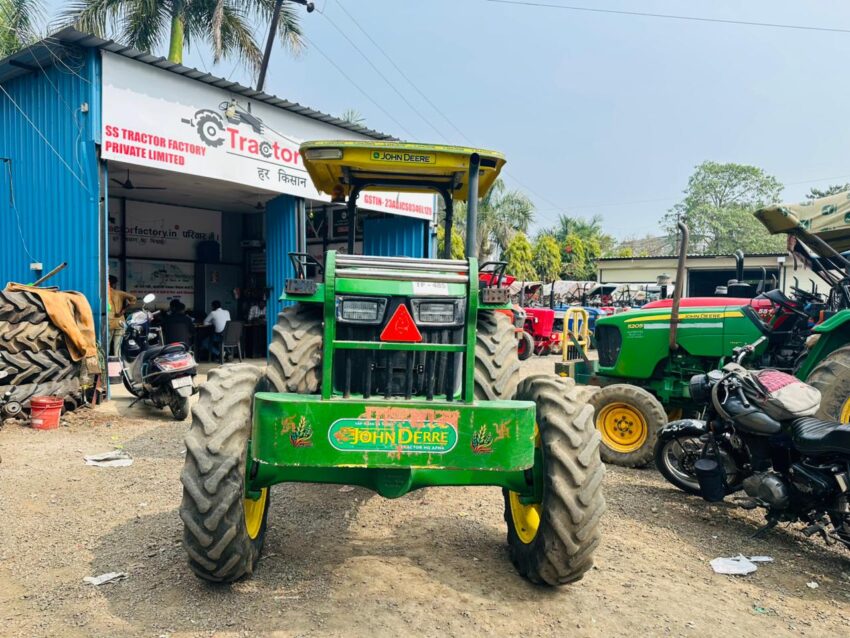
Ask any farmer who has spent years in the fields, and they’ll tell you this straight—a purana tractor is not weak just because it’s old. Age doesn’t decide strength. Work does. I’ve seen tractors older than some farmhands still start on the first crank, pull loaded trolleys without complaint, and handle rough soil better than shiny showroom machines.
A purana tractor carries stories. Long days in the heat. Late nights during harvest. Repairs done under a neem tree with borrowed tools. It isn’t a display piece. It’s a working partner. And that’s exactly why old tractors still dominate rural farms across India.
Why Farmers Still Trust Purana Tractors
There’s a reason old tractors refuse to disappear from villages. It’s not nostalgia. It’s reliability. These machines were built when metal was heavier, engines were simpler, and electronics didn’t control everything.
You don’t need a laptop to fix a purana tractor. Most issues can be solved with basic mechanical sense. Local mechanics understand them. Spare parts are easy to find. And when something breaks, it rarely breaks suddenly. There’s warning. Noise. Vibration. Time to act.
That predictability matters when your crop depends on timing, not technology.
Engine Strength That Doesn’t Show Off
Old tractor engines don’t try to impress. They just work. Slow RPM. Thick blocks. Strong torque. They don’t race, but they pull. Day after day.
Many purana tractors run on simple diesel systems. No sensors. No error codes. Just fuel, air, compression, and fire. Even after decades, these engines keep their character. A little smoke on cold mornings. A steady rhythm once warm.
They may not sound refined, but they sound alive.
Cost Advantage That Makes Real Sense
New tractors are expensive. Loan pressure is real. EMI doesn’t wait for rainfall. That’s where a purana tractor becomes practical.
Buying an old tractor costs much less upfront. Sometimes less than half the price of a new one. Insurance is cheaper. Registration is simpler. Repairs cost less because parts aren’t proprietary or locked behind brand service centers.
For small and medium farmers, this difference decides whether farming stays manageable or stressful.
Perfect Match for Small Land Holdings
Not every farm needs high horsepower. In fact, many don’t. Smaller fields, orchards, and mixed cropping setups work better with compact, old-model tractors.
Purana tractors often have better balance for narrow paths and uneven plots. They turn tighter. They don’t sink as easily. Their weight distribution feels right for traditional implements.
Sometimes newer machines feel oversized for real village conditions.
Repair Culture That Still Exists
One underrated benefit of old tractors is the repair culture around them. Local mechanics know these machines like family. They’ve opened the same engines hundreds of times.
No waiting weeks for service appointments. No expensive diagnostic tools. Just experience, listening skills, and hands that know where to tap and tighten.
When a machine can be fixed quickly, work doesn’t stop. And farming cannot afford long pauses.
Spare Parts That Don’t Burn Your Pocket
Parts availability keeps purana tractors alive. Filters, clutches, injectors, bearings—most are still manufactured or available in aftermarket quality.
Even used parts are easy to find. Scrap tractors become donors. Nothing goes to waste. Farmers reuse, rebuild, and keep machines running longer than anyone expects.
This ecosystem doesn’t exist for many new models yet.
Fuel Efficiency in Real Conditions
Old tractors are often accused of being fuel-hungry. That’s not always true. When maintained properly, many purana tractors deliver solid mileage for their power range.
They don’t push high RPM constantly. They work at comfortable speeds. That saves diesel over long hours.
In real-world farming, not lab testing, this balance matters more than brochure numbers.
Emotional Value Farmers Don’t Talk About
There’s something personal about a tractor you’ve worked with for years. You know its sounds. Its moods. When it needs rest. When it can push harder.
Many farmers name their tractors. They trust them. That trust doesn’t come easily. And it doesn’t disappear just because something newer exists.
A purana tractor isn’t just equipment. It’s memory and muscle combined.
Common Uses Where Old Tractors Excel
Purana tractors shine in everyday tasks. Ploughing. Rotavator work. Trolley pulling. Water tanker hauling. Sugarcane transport. Threshing operations.
They may not have fancy cabins or digital displays, but for core farm jobs, they perform without fuss.
Especially in rural roads and fields, simpler machines handle abuse better.
What to Check Before Buying a Purana Tractor
Not all old tractors are equal. Some are gems. Some are tired. Before buying, check the engine sound when cold. Look for blow-by. Inspect oil condition. Check clutch response. Drive it under load if possible.
Chassis cracks, hydraulic lift strength, steering play—these details matter more than paint or decals.
A well-maintained old tractor beats a neglected newer one any day.
Registration and Legal Peace of Mind
Most purana tractors already have proper registration. Transfers are straightforward. No complex compliance. Insurance renewal is affordable.
For farmers who want peace of mind without paperwork headaches, older tractors keep things simple.
That simplicity is underrated until you deal with modern bureaucracy.
Ideal Choice for Backup and Seasonal Work
Many farmers keep a purana tractor as backup. During peak season, when every hour counts, having a second machine saves crops.
Even if it runs fewer hours a year, it earns its place when needed. No hesitation. No learning curve.
Purana Tractor Market Is Still Strong
Used tractor markets are active across India. Demand stays steady. Prices don’t crash easily. Good models hold value surprisingly well.
That means resale is possible when needed. You’re not stuck with a dead investment.
Few machines offer that kind of long-term security.
Old Doesn’t Mean Unsafe If Maintained Right
Safety depends on care, not age. Proper brakes. Working lights. Strong steering. These things are manageable.
Many farmers upgrade seats, add reflectors, and improve lighting on old tractors. Small changes make big differences.
A cared-for purana tractor can be as safe as any other working machine.
Why Purana Tractors Will Not Disappear Soon
Technology moves fast, but farming moves with seasons, soil, and survival. Old tractors fit that rhythm.
They are affordable. Repairable. Familiar. Tough. Until new machines match these qualities without raising costs, purana tractors will stay relevant.
Final Thoughts from the Field
I’ve worked with new tractors and old ones. Each has its place. But there’s a raw honesty in a purana tractor that’s hard to replace.
It doesn’t pretend. It doesn’t demand attention. It just shows up, ready to work, just like the farmer who owns it.
https://puranatractor.hashnode.dev/purana-tractor-the-machines-that-refuse-to-quit