
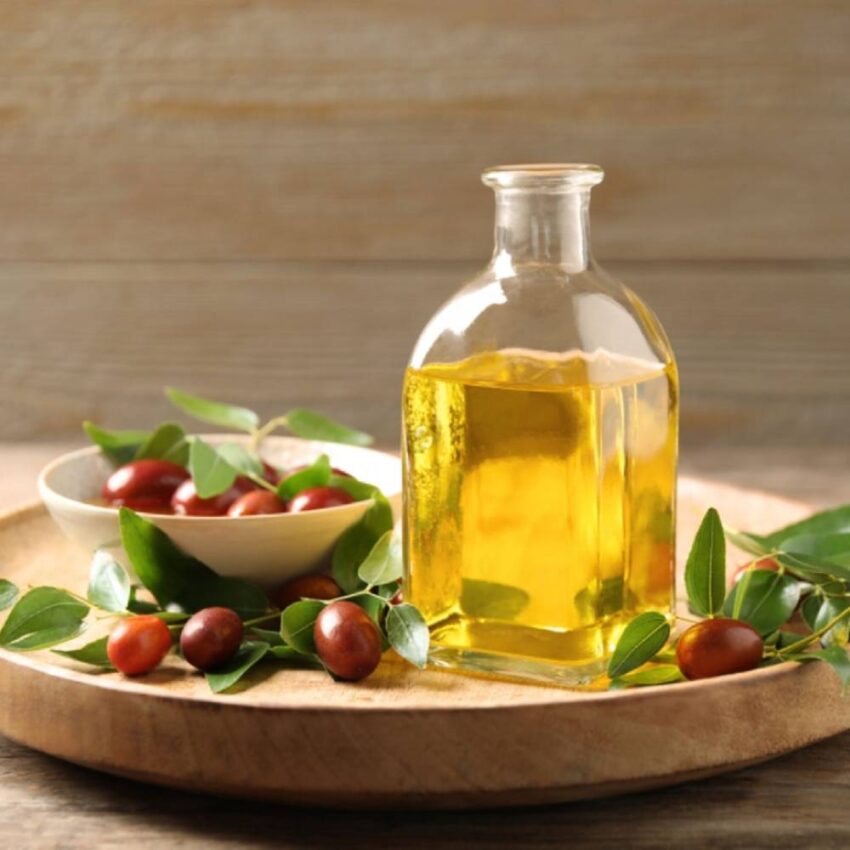
Walk into any wellness store, spa, or natural cosmetics aisle, and you’ll notice essential oils getting most of the attention. But behind almost every safe, effective aromatherapy blend, massage oil, or herbal skincare formula sits a quieter hero: the carrier oil. Without it, most essential oils would be far too concentrated and harsh to use directly on the skin. Understanding what 100% pure carrier oil actually is, how it’s made, and where it’s used can help you make smarter choices whether you’re a home user, a formulator, or a business owner sourcing in bulk.
What Is a Carrier Oil?
A carrier oil is a plant-derived oil used to dilute concentrated essential oils before they touch the skin. Unlike essential oils, which are extracted through steam distillation and packed with volatile aromatic compounds, carrier oils are typically cold-pressed or expeller-pressed from seeds, nuts, or kernels. They carry little to no strong scent of their own, which is exactly why they’re so effective at essential oils across the skin without overwhelming its natural barrier.
Common examples include sweet almond oil, jojoba oil, coconut oil, argan oil, grapeseed oil, and sunflower oil. Each has its own texture, absorption rate, and nutrient profile, but the defining feature of a good carrier oil is purity — no additives, no synthetic fillers, no chemical solvents.
Why Purity Matters
The word “100% pure” isn’t just a marketing label. It signals that the oil has not been diluted with cheaper alternatives, blended with synthetic fragrance, or processed using heat and chemical solvents that strip away beneficial compounds. Pure carrier oils retain their natural vitamins, fatty acids, and antioxidants, which is what makes them genuinely beneficial rather than just a neutral filler.
This is where sourcing becomes critical. Reputable carrier oil suppliers test every batch for purity, checking for oxidation levels, contamination, and adulteration before the product ever reaches a customer. Similarly, a trustworthy carrier oil manufacturer follows strict extraction and storage protocols — cold-pressing at controlled temperatures, filtering without chemical solvents, and storing in dark, temperature-stable environments to prevent rancidity.
The Extraction Process, Simplified
Most premium carrier oils go through a fairly simple but precise process:
- Selection of raw material — high-quality seeds, kernels, or nuts are chosen based on origin, freshness, and oil content.
- Cold-pressing — the raw material is mechanically pressed at low temperatures to preserve nutrients and prevent degradation.
- Filtration — the oil is filtered to remove plant debris without using harsh chemicals.
- Quality testing — batches are checked for acidity, peroxide value, and overall purity.
- Packaging and storage — oils are bottled in light-protective containers to extend shelf life.
Any shortcut in this chain — using heat extraction, chemical solvents, or skipping quality testing — can compromise the final product, which is why choosing the right carrier oil bulk manufacturer matters as much as the oil itself.
Key Benefits of Pure Carrier Oils
- Skin nourishment: Rich in fatty acids and vitamin E, pure carrier oils help moisturize and soften skin.
- Safe dilution: They reduce the potency of essential oils to prevent irritation or sensitization.
- Improved absorption: Many carrier oils help essential oils penetrate the skin more effectively.
- Versatility: They work well in massage oils, hair treatments, skincare formulations, and even some culinary applications.
- Longer product life: When properly extracted and stored, pure oils have a more stable shelf life than adulterated blends.
Industries That Rely on Carrier Oils
The demand for high-quality carrier oils extends well beyond home aromatherapy kits. Key industries include:
- Cosmetics and personal care — used as a base for lotions, serums, balms, and cleansers.
- Spa and wellness centers — essential for massage therapy and body treatments.
- Aromatherapy and holistic health — used to dilute essential oils safely for therapeutic use.
- Haircare — valued for scalp treatments and conditioning formulas.
- Pharmaceutical and nutraceutical sectors — used in certain topical formulations and softgel encapsulation.
- Soap and candle making — incorporated for texture and skin-friendly properties in handmade products.
Because of this broad demand, businesses across these sectors often work directly with carrier oil bulk suppliers who can guarantee consistent quality, proper documentation, and reliable bulk availability.
Choosing the Right Source
If you’re buying for personal use, look for oils labeled 100% pure, cold-pressed, and free from synthetic additives. If you’re a business owner or formulator sourcing in bulk, it’s worth building a relationship with established carrier oil wholesale and a trusted carrier oil bulk distributors who can provide batch testing reports, consistent supply, and transparent sourcing practices.
One name worth knowing in this space is Hetaksh Essential Oils, recognized for its focus on purity and consistent quality across its oil offerings.
Conclusion
Carrier oils may not get the spotlight the way essential oils do, but they play an equally important role in safety, effectiveness, and skin nourishment. Whether you’re blending oils at home or sourcing for a business, understanding the extraction process, purity standards, and industry applications will help you choose a product — and a supplier — you can trust.