
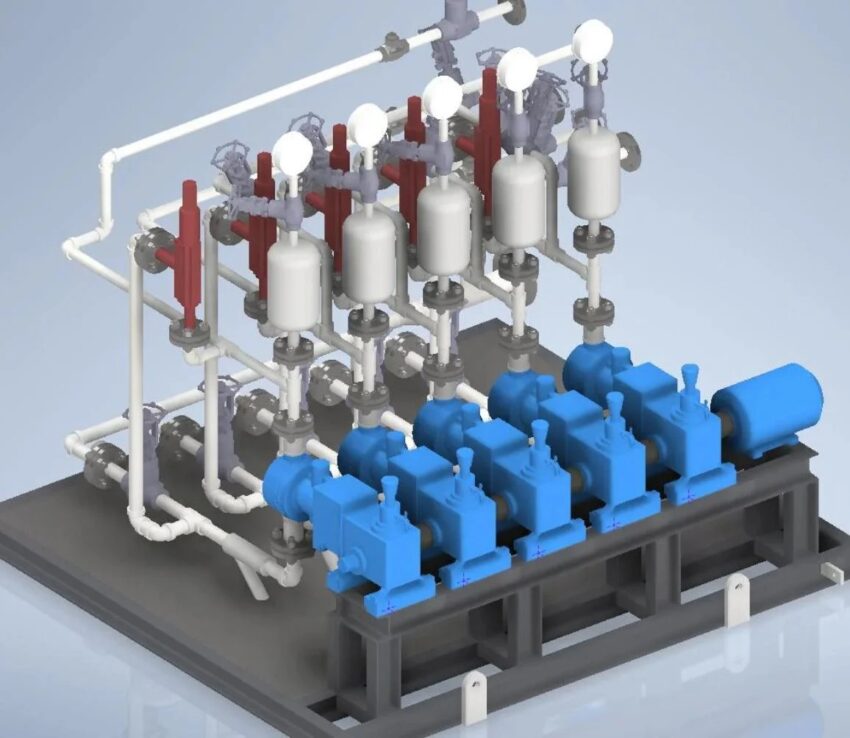
Some equipment proves its value not through specifications on a datasheet, but through years of dependable performance in conditions that would quickly defeat less suitable alternatives. Diaphragm pumps fall firmly into this category. Across oil and gas sites, chemical plants, and a wide range of process industries, they’ve earned a reputation for handling jobs that other pump types simply aren’t built for. This article looks at where this technology genuinely shines in practice, and what operators should keep in mind when sourcing equipment built to last.
Handling Fluids Other Pumps Struggle With
Not every fluid behaves predictably. Slurries with suspended solids, highly viscous chemicals, and fluids prone to off-gassing all present challenges that conventional centrifugal pumps handle poorly, if at all. This is precisely where diaphragm technology tends to outperform alternatives, since the mechanism isn’t reliant on the kind of consistent, predictable flow that other designs depend on.
An air operated double diaphragm pump manages these difficult fluids by using compressed air to drive a flexible diaphragm, rather than relying on impellers or other components that come into direct, continuous contact with the fluid being moved. This design tolerates inconsistency in a way that’s particularly valuable in real-world operations, where fluid characteristics rarely stay perfectly uniform throughout a process.
Where This Technology Earns Its Keep
Transferring corrosive chemicals during dosing operations is one clear example, where direct contact with aggressive fluids would quickly degrade less resilient equipment. Handling slurries containing solids or fibrous material is another, since impeller-based pumps tend to clog or wear prematurely under these conditions. Operating in hazardous environments is a third, where the absence of electrical components reduces ignition risk considerably. Managing intermittent flow requirements also stands out, since these pumps tolerate dry-running and frequent starting and stopping far better than many alternatives
Each of these examples shares a common thread: conditions that punish equipment not specifically engineered to handle unpredictability, which is exactly where diaphragm technology has consistently proven its worth, and it’s this reliability under pressure that has made the technology a standard choice across so many demanding applications rather than a niche solution reserved for unusual cases.
What Separates a Reliable Pump Supplier From the Rest
Sourcing this kind of equipment isn’t simply a matter of finding the lowest price. A genuinely capable pump supplier brings technical understanding to the table, helping match equipment specifications to actual operating conditions rather than offering a generic, off-the-shelf solution and hoping it performs adequately.
A few questions worth asking when evaluating potential suppliers include whether they have direct experience with similar applications, what materials of construction they offer for handling specific chemical compatibility requirements, and how readily available spare parts and technical support will be once equipment is in service. Suppliers who answer these questions confidently and specifically, rather than vaguely, tend to be the ones worth building a longer-term relationship with, since that kind of clarity upfront is often a reliable indicator of how well they’ll support the equipment once it’s actually in service.
The Cost of Getting Sourcing Wrong
Choosing equipment based purely on upfront price, without considering application suitability or long-term support, often proves more expensive than it initially appears. Premature failures, frequent part replacements, and unplanned downtime all add up considerably faster than the modest savings gained from a cheaper initial purchase.
Facilities that have experienced this cycle firsthand tend to place far more weight on supplier expertise and equipment suitability during subsequent purchasing decisions, having learned the lesson the harder way. It’s a pattern that plays out repeatedly across the industry, often prompting a noticeable shift in purchasing priorities after just one costly failure, and it’s a shift that, once made, tends to stick for good.
Practical Considerations Before Installation
Beyond selecting the right pump type, a few practical factors influence how well equipment performs once installed. Adequate compressed air supply needs to be available and properly sized for the pump’s requirements. Material compatibility between the pump’s wetted components and the specific fluid being handled needs careful verification, particularly for highly corrosive or reactive chemicals. Physical installation space and accessibility for future maintenance also deserve consideration early in the planning process, rather than being addressed as an afterthought once equipment has already arrived on site.
Taking the time to address these details before installation tends to prevent avoidable complications that might otherwise undermine the performance of even a well-chosen pump, and it’s often this kind of upfront diligence, more than any single feature of the pump itself, that determines how smoothly an installation ultimately goes.
Bringing It All Together
The real test of any pump technology lies in how it performs under genuine, sustained operating pressure rather than in the promises printed on a datasheet, and diaphragm pumps have repeatedly demonstrated that they can meet that test across some of the most demanding conditions process industries have to offer. For operators looking to source equipment that genuinely fits their application, rather than settling for a generic solution that only partially meets their needs, NND Oil & Gas brings the kind of practical, hands-on manufacturing experience that helps turn the right technology choice into dependable, long-term performance across even the most challenging industrial environments.