

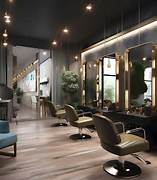
Salon interior design services play an important role in creating attractive, comfortable, and well-organized beauty spaces. A salon should reflect the brand’s identity while providing a relaxing experience for customers and a productive working environment for staff. From small beauty parlours to premium hair salons and luxury spas, thoughtful interior design helps improve the overall customer experience and makes daily operations more efficient.
Professional salon interior design involves planning the layout, selecting suitable furniture, choosing lighting, coordinating colours, and organizing workstations. Taking inspiration from Office Interior Design Trends can also help salon owners create efficient layouts, improve lighting, and maintain an organized environment. Although salons have different functional requirements, principles such as space optimization, comfortable furniture, and effective lighting can benefit both commercial spaces and beauty establishments.
Importance of Professional Salon Interior Design
A well-designed salon creates a positive first impression and encourages customers to feel comfortable. The interior should communicate the salon’s style, whether it focuses on affordable beauty treatments, contemporary hairstyling, bridal makeup, or premium grooming services.
Professional designers consider the available floor area, customer movement, staff requirements, and service categories before developing a design plan. A practical layout ensures that reception areas, styling stations, shampoo units, treatment rooms, and waiting spaces work together without creating congestion.
An attractive interior can also strengthen brand recognition. Consistent colours, finishes, furniture styles, signage, and decorative elements help create a memorable identity that customers can associate with the salon.
Key Elements of Effective Salon Interior Design
1. Smart Space Planning
Space planning is essential for creating a salon that feels spacious and functions smoothly. The reception desk should be easy to locate, while styling stations and treatment areas need sufficient room for movement. Waiting areas should provide comfortable seating without obstructing staff or customers.
For smaller salons, wall-mounted storage, compact furniture, and strategically placed mirrors can help maximize usable space. Larger salons may benefit from separate zones for hair styling, skincare, nail treatments, and bridal services.
2. Attractive Lighting Design
Lighting influences both the appearance of a salon and the quality of beauty services. Bright, well-distributed lighting around mirrors helps hairstylists and makeup professionals perform detailed work accurately. Ambient lighting creates a welcoming atmosphere, while accent lighting can highlight reception desks, product displays, and decorative features.
A balanced combination of natural and artificial lighting can make the interior feel more open and inviting. Light fixtures should be positioned carefully to reduce harsh shadows and glare around styling stations.
3. Functional Salon Furniture
Salon furniture should combine comfort, durability, and visual appeal. Styling chairs, wash stations, manicure tables, reception counters, waiting sofas, and storage cabinets should be selected according to the salon’s services and available space.
Ergonomic chairs and accessible workstations help staff work comfortably throughout the day. Durable materials and easy-to-clean surfaces are particularly important in areas exposed to hair products, cosmetics, water, and frequent use.
4. Colour Schemes and Interior Finishes
The colour palette should support the salon’s brand personality. Neutral shades, warm wood finishes, and soft lighting can create a calm and sophisticated atmosphere. Bold colours, metallic accents, and contemporary furniture may suit fashion-forward salons that want a more energetic appearance.
Flooring and wall finishes should be selected for durability, easy maintenance, and safety. Surfaces that withstand regular cleaning help maintain hygiene while preserving the salon’s appearance.
Customized Designs for Different Salon Types
Every salon has different operational needs. Hair salons require well-spaced styling stations, mirrors, and washing areas. Beauty parlours may need private treatment rooms, facial beds, and organized product storage. Nail studios require specialized tables and task lighting, while luxury salons may benefit from premium reception areas, private consultation spaces, and carefully coordinated decorative details.
Customized salon interior design services take these differences into account. Designers can develop layouts that suit the business model, customer expectations, available budget, and future expansion plans.
Benefits of Hiring Professional Salon Interior Designers
Hiring experienced designers helps salon owners coordinate the many elements involved in creating a functional commercial interior. Professional planning can reduce space wastage, improve workflow, and ensure that furniture, lighting, finishes, and storage solutions work together.
Designers can also help establish a consistent visual identity and select materials that suit the salon’s maintenance requirements. Depending on the project, services may include concept development, space planning, 3D visualizations, material selection, furniture customization, lighting design, and interior execution.
Conclusion
Salon interior design services help transform ordinary commercial spaces into attractive and efficient beauty destinations. By combining smart space planning, suitable furniture, effective lighting, durable finishes, and a consistent design theme, salon owners can create an environment that supports staff productivity and customer comfort.
Whether opening a new salon or renovating an existing one, investing in professional interior design can help create a distinctive space that reflects the brand, improves daily operations, and provides customers with a welcoming beauty experience.