
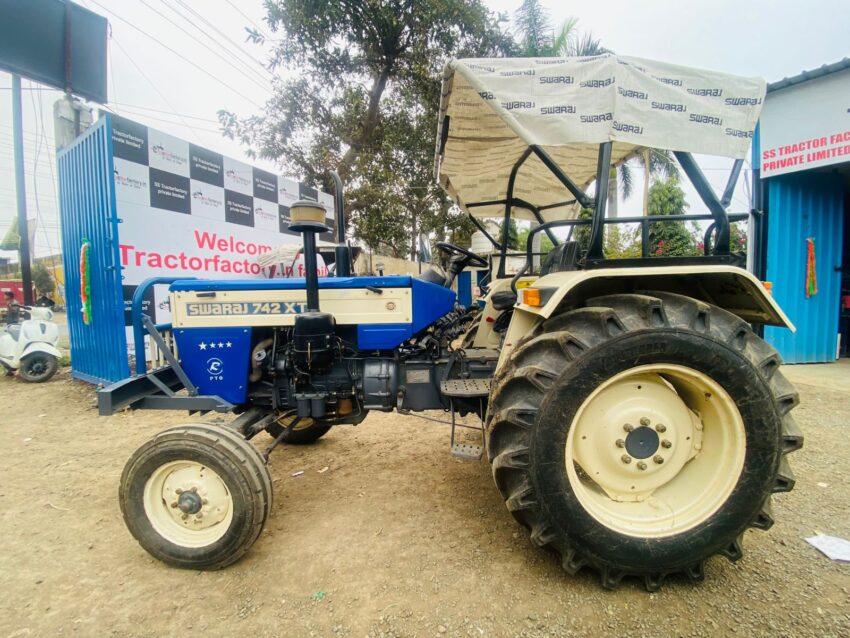
Why Second Hand Tractors Still Run the Show on Real Farms
New tractors look good in brochures. Shiny paint, neat seats, big promises. But real farms don’t run on brochures. They run on machines that start early, work late, and don’t complain. That’s where second hand tractors earn their place.
A used tractor already knows the field. It has pulled loads, faced heat, mud, careless drivers, and bad diesel. If it’s still running, that tells you something. Many farmers trust old machines more than new ones because there are no surprises left. What you see is what you get. No hidden electronics waiting to fail during peak season.
I’ve seen tractors older than some farmhands, still pulling trolleys like they’re in their prime. That kind of reliability isn’t advertised. It’s learned.
The Real Reason Farmers Prefer Used Over New
Price matters, yes. But that’s not the whole story.
Second hand tractors don’t come with pressure. No heavy loans. No tight EMI dates hanging over your head during a bad monsoon. You buy it. You own it. Simple.
Repairs are easier too. Most mechanics understand older models better than modern ones loaded with sensors. Spare parts are cheaper and available even in small towns. If something breaks, it gets fixed. Not parked for weeks waiting for a company technician.
And then there’s confidence. A used tractor that’s been working locally has a history you can trace. You can talk to the owner. You can see where it worked. That transparency builds trust no showroom can match.
How to Judge a Second Hand Tractor Without Fancy Tools
You don’t need machines to test a machine. You need patience and attention.
Start with the engine. Cold start matters. If it fires up clean without smoke drama, that’s a good sign. Excessive white or blue smoke usually means internal wear. Listen closely. Engines talk, if you’re willing to hear them.
Check the clutch response. A slipping clutch will cost you later. Same with gears. They should engage smoothly, not fight you. Jerky hydraulics? That’s a warning. Lift arms should rise steady, not shake like tired hands.
Look underneath. Oil leaks don’t lie. Some sweating is normal on older tractors. Dripping is not.
Hours on the Meter Don’t Tell the Full Truth
Everyone asks about hours. Fair question. But hours can be adjusted. Wear cannot.
A tractor with higher hours but proper servicing can outlast a low-hour machine that was abused. Look at pedal wear. Steering play. Seat condition. These tell you how the tractor lived.
Fields worked matter too. Light soil is kinder than rocky land. A tractor pulling harvesters all its life is different from one used mostly for transport.
Context matters more than numbers.
Popular Second Hand Tractor Segments That Actually Make Sense
Not every used tractor suits every farmer.
Small farmers often do best with compact tractors in the 30–40 HP range. Easier handling. Lower fuel use. Enough power for rotavators and light trolleys.
Medium farms lean toward 45–55 HP. These are workhorses. Balanced power. Good for ploughing, sowing, and transport without being fuel-hungry monsters.
Large farms sometimes buy older high-HP tractors for secondary work. They don’t need fancy features. Just raw pulling strength.
Buying the right size saves more money than negotiating price.
Where Second Hand Tractors Come From—and Why It Matters
Not all used tractors are equal.
Some come from individual farmers upgrading slowly. These are often well cared for. Others come from fleet usage or rental work. These may look fine but have lived harder lives.
Auction tractors can be risky. Quick sales hide details. Dealer-refurbished machines can be good if the work is honest, not cosmetic. Fresh paint doesn’t fix tired engines.
Always ask why the tractor is being sold. The answer often tells more than the tractor itself.
Fuel Efficiency: The Quiet Advantage of Older Tractors
Older tractors are simple. No complex emission systems. No electronic fuel controls. That simplicity often translates into predictable fuel use.
A well-maintained second hand tractor can deliver excellent mileage because it’s tuned for real work, not lab tests. Operators learn its sweet spot. They know when to push and when to ease off.
Fuel savings add up season after season. Especially when diesel prices don’t care about your crop yield.
Second Hand Tractors and Seasonal Flexibility
One underrated benefit of buying used is freedom.
You can buy a tractor specifically for seasonal needs. Harvest transport. Sugarcane hauling. Land prep. After the season, if needs change, resale is easier. Depreciation has already happened.
New tractors lose value fast in the first few years. Used tractors hold their worth better if maintained properly. That flexibility helps farmers adapt without financial stress.
Common Mistakes Buyers Make—and Regret Later
The biggest mistake? Falling for looks.
Fresh paint can hide worn parts. New tyres don’t mean a healthy engine. Always look beyond cosmetics.
Another mistake is ignoring paperwork. Ownership transfer matters. Chassis and engine numbers should match records. Missing documents can turn a good tractor into a legal headache.
Some buyers rush. They fear losing the deal. That’s when problems sneak in. There will always be another tractor. Patience saves money.
Negotiation Is Not About Pressure, It’s About Respect
Good deals don’t come from aggression. They come from understanding.
Point out issues calmly. Worn tyres. Weak battery. Hydraulic delay. Use facts, not drama. Sellers respect buyers who know machines.
Sometimes paying a little more for a well-kept tractor is smarter than squeezing price on a rough one. Cheap tractors are often expensive later.
A fair deal keeps both sides satisfied. That matters if you ever need advice or spare parts later.
Maintenance Habits That Keep Old Tractors Young
Second hand doesn’t mean neglected. It means experienced.
Change oils on time. Don’t stretch service intervals just because the tractor is old. Grease points matter. Filters matter. Clean diesel matters.
Small habits keep engines healthy. Let it warm up. Don’t overload. Listen for changes in sound.
Tractors reward care with loyalty. Ignore them, and they teach lessons at the worst time.
Resale Value: The Exit Plan Nobody Talks About
Smart buyers think about selling before buying.
Choose models with strong local demand. Common brands. Easy parts. Familiar mechanics. These tractors move faster when it’s time to sell.
Avoid rare variants unless price is exceptional. Uncommon machines can sit unsold longer.
A well-maintained second hand tractor can be sold years later with minimal loss. Sometimes even profit, depending on market demand.
Why Second Hand Tractors Are Still the Backbone of Indian Farming
Farming isn’t about trends. It’s about trust.
Second hand tractors represent practical choices made by people who work the land daily. They balance cost, reliability, and independence. They don’t impress neighbors. They impress crops.
From small villages to large mandis, used tractors continue to carry harvests, families, and livelihoods. Quietly. Without fuss.
They may not shine under showroom lights. But under the sun, in dust and sweat, they prove their worth every single day.
Final Thoughts from the Field
Second hand tractor aren’t a compromise. They’re a strategy.
They suit farmers who think long-term. Who value function over flash. Who understand that real strength shows after years of work, not on delivery day.
If chosen carefully, a used tractor becomes more than a machine. It becomes a partner. One that’s already seen hard days and is still ready for more.
And in farming, that kind of partner is priceless.