
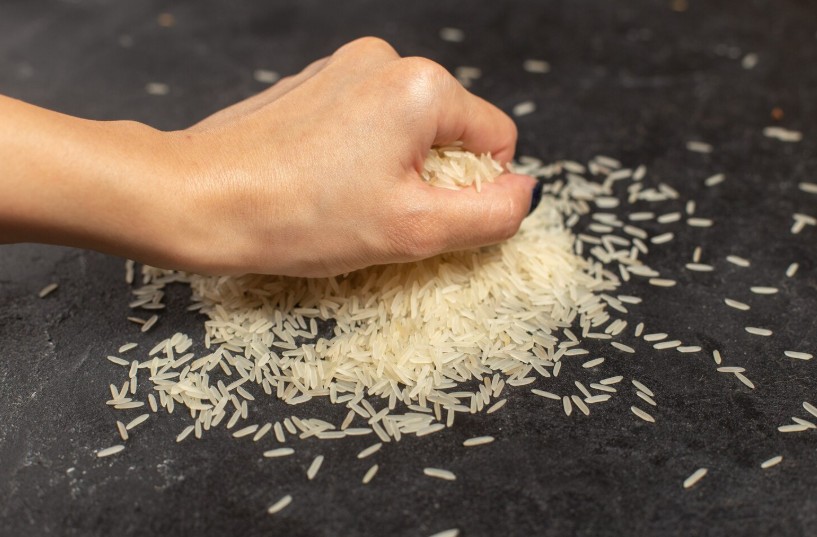
Basmati rice has long been celebrated for its unique aroma, long grains, and exquisite taste. Known as the “queen of rice,” the right choice of basmati can elevate any meal from ordinary to extraordinary. Whether it’s a traditional biryani, a delicate pilaf, or a simple bowl of steamed rice, selecting the best basmati rice is the key to culinary perfection. At Gautam Rice, we understand the importance of quality grains, and in this guide, we will help you master the art of picking the perfect basmati rice for all your cooking needs.
Understanding Basmati Rice
Basmati rice is a variety of long-grain rice primarily grown in India and Pakistan. Its name, derived from the Sanskrit word “Vasmati,” means “fragrant,” which perfectly describes its distinctive aroma. The grains are slender, and when cooked, they expand in length rather than width, creating light, fluffy, and separate grains.
Key Features of the Best Basmati Rice
-
Aroma: The hallmark of high-quality basmati rice is its nutty, fragrant aroma that infuses any dish with a unique flavor.
-
Long Grains: Premium basmati rice has long, slender grains that elongate after cooking, giving a visually appealing presentation.
-
Texture: Perfectly cooked basmati rice is fluffy, soft, and separate—not sticky or clumpy.
-
Aging: Aged basmati rice, typically stored for 12-24 months, has a more intense aroma and better cooking qualities.
How to Identify the Best Basmati Rice
Choosing the best basmati rice requires attention to several factors:
1. Check the Grain Length
High-quality basmati rice grains should be long and slender. Avoid rice with broken or uneven grains, as these are usually inferior and may not cook evenly.
2. Look for Aging
Aged basmati rice, sometimes referred to as “old rice,” has superior texture and aroma. While freshly harvested rice is good, aging enhances its cooking properties and flavor.
3. Aroma Test
The aroma of basmati rice is a key quality indicator. Rub a few grains between your fingers and inhale; the nutty fragrance is a sign of premium quality.
4. Color and Cleanliness
The best basmati rice should be off-white to ivory, free from dust, stones, or foreign particles. Avoid rice that looks dull or yellowed, as it may be of lower quality.
5. Brand Reputation
Choosing rice from a trusted brand like Gautam Rice ensures consistent quality. Established brands follow stringent quality control to deliver the best basmati rice every time.
Cooking the Best Basmati Rice
Even the finest basmati rice can fall short if not cooked properly. Here’s a simple guide to perfect basmati rice:
Ingredients:
-
1 cup best basmati rice
-
1.5 to 2 cups water
-
1 teaspoon salt
-
1 teaspoon ghee or oil (optional)
Instructions:
-
Rinse the Rice: Wash the rice 2-3 times to remove excess starch. Soaking for 30 minutes helps the grains expand longer.
-
Boil Water: Bring water to a boil, add salt and ghee.
-
Cook the Rice: Add rice, reduce heat to low, cover, and cook for 15-20 minutes until water is absorbed.
-
Fluff and Serve: Let the rice rest for 5 minutes, then gently fluff with a fork to separate grains.
The result is fluffy, aromatic rice that pairs beautifully with curries, kebabs, and biryanis.
Health Benefits of Basmati Rice
Basmati rice is not just delicious; it’s also nutritious:
-
Low Glycemic Index: Helps manage blood sugar levels.
-
Rich in Fiber: Aids digestion, especially when choosing brown or semi-brown varieties.
-
Gluten-Free: Safe for those with gluten sensitivities.
-
Heart-Friendly: Contains essential nutrients like magnesium and potassium.
Choosing the best basmati rice ensures you enjoy both flavor and health benefits.
Popular Dishes with Basmati Rice
-
Biryani: The classic aromatic rice dish that pairs perfectly with chicken, lamb, or vegetables.
-
Pulao/Pilaf: Simple yet flavorful rice cooked with spices, vegetables, or meat.
-
Fried Rice: Ideal for a quick, wholesome meal.
-
Plain Steamed Rice: Perfect accompaniment to curries and dals, showcasing the rice’s natural aroma and texture.
Using high-quality best basmati rice makes these dishes stand out in flavor and presentation.
Tips for Storing Basmati Rice
Proper storage keeps your basmati rice fresh and aromatic:
-
Use Airtight Containers: Protects rice from moisture and pests.
-
Keep in a Cool, Dry Place: Avoid sunlight and heat to maintain aroma.
-
Store Aged Rice Separately: Preserves its enhanced flavor and texture.
At Gautam Rice, all our grains are packaged to maintain maximum freshness and aroma.
Why Choose Gautam Rice?
When it comes to selecting the best basmati rice, brand matters. Gautam Rice has been a trusted name in delivering premium quality rice to households and restaurants. Our rice is:
-
Carefully sourced from the finest farms.
-
Aged naturally to enhance aroma and cooking quality.
-
Thoroughly cleaned and packed under strict quality standards.
-
Available in a variety of grades to suit different culinary needs.
By choosing Gautam Rice, you’re not just buying rice—you’re investing in flavor, nutrition, and consistency.
Common Mistakes While Buying Basmati Rice
-
Ignoring Grain Length: Short or broken grains cook unevenly.
-
Buying Cheap, Low-Quality Brands: They often lack aroma and fluffiness.
-
Skipping the Soaking Step: Affects elongation and texture.
-
Improper Storage: Leads to loss of aroma and potential spoilage.
Avoiding these mistakes ensures you always get the best results.
Conclusion
Selecting the best basmati rice is an art that combines knowledge, attention to detail, and quality sourcing. From aroma and grain length to aging and proper storage, each factor plays a crucial role in delivering perfect meals. Gautam Rice is committed to bringing you only the finest basmati rice, so every dish you prepare is a masterpiece of flavor and texture. Whether it’s a festive biryani or a simple bowl of steamed rice, choosing the right rice guarantees satisfaction with every bite.
How to Store Basmati Rice: Tips for Freshness, Flavor, and Longevity. Embrace the secrets of picking the best basmati rice and elevate your culinary experience to new heights with Gautam Rice.