
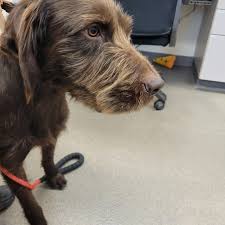
Your pet may still greet you at the door with excitement, but age brings changes that are not always easy to notice. Many health problems develop slowly. Small signs often go unnoticed until they begin to affect daily life. Senior pet wellness focuses on finding these changes early. Regular health checks, good nutrition, and simple lifestyle changes can help your pet stay active, comfortable, and happy for years. When you understand what your older pet needs, you can make better choices that support long-term health and improve quality of life.
Why Aging Pets Need Different Care
Every pet grows older at a different pace. Breed, size, genetics, and lifestyle all play a part. Large dogs often show signs of aging sooner than smaller breeds. Cats also experience gradual changes that become more noticeable as they enter their senior years.
Growing older does not mean your pet will become sick. It does mean the body works differently. Joints become stiffer. Muscles lose strength. Vision and hearing may decline. The immune system may not respond as quickly as before.
Many age-related conditions develop without clear symptoms in the early stages. Kidney disease, arthritis, heart disease, diabetes, and dental problems often begin quietly. Routine veterinary visits help detect these issues before they become harder to manage.
Senior Pet Wellness Starts With Regular Checkups
Preventive care becomes even more valuable as pets age. A wellness visit is more than a routine exam. It gives your veterinarian a chance to compare your pet’s current health with previous visits and look for small changes.
Older pets benefit from more frequent examinations because health conditions can progress quickly. Early detection often means more treatment options and better outcomes.
During a wellness visit, your veterinarian may assess:
- Body weight and body condition
- Heart and lung health
- Joint movement and mobility
- Dental health
- Vision and hearing
- Skin and coat condition
- Changes in behavior
- Signs of pain or discomfort
Your veterinarian may also recommend blood work or urine testing based on your pet’s age and health history. These tests can reveal hidden problems before visible symptoms appear.
Understanding the Value of Senior Pet Care
Good senior pet care goes beyond medical appointments. Your pet depends on you every day. Small choices at home often have the greatest impact on long-term health.
Daily observation helps you notice changes that might otherwise be missed. A slower walk, less interest in food, or changes in sleeping habits can all provide useful clues.
Watch for changes such as:
- Trouble climbing stairs
- Less interest in play
- Weight gain or weight loss
- Increased drinking or urination
- Difficulty standing up
- Bad breath or trouble chewing
- Confusion or unusual behavior
- New lumps or bumps
These signs do not always point to serious illness. However, they should never be ignored. Reporting changes early allows your veterinarian to investigate the cause before the condition becomes more advanced.
Nutrition Plays a Bigger Role Than Ever
A balanced diet supports almost every part of your pet’s body. Older pets often have different nutritional needs than younger adults. Their metabolism slows, while some medical conditions require dietary adjustments.
Feeding the right amount is just as important as choosing the right food. Extra weight places more pressure on joints and increases the risk of health problems. On the other hand, unexpected weight loss may signal an underlying illness.
Fresh water should always be available. Good hydration supports kidney function, digestion, and overall health.
Your veterinarian may also recommend changes based on your pet’s individual needs. Every senior pet is different, so one feeding plan does not suit every animal.
Keep Your Pet Moving Every Day
Exercise remains important, even when your pet slows down. The goal is not intense activity. It is steady movement that supports muscles, joints, heart health, and mental well-being.
Many owners reduce activity as pets age. While rest has its place, too little movement can make stiffness worse.
Simple activities often work best:
- Short daily walks
- Gentle games
- Light stretching during play
- Slow outdoor exploration
- Interactive toys for mental stimulation
Cats also need daily movement. Climbing structures with lower platforms, puzzle feeders, and short play sessions encourage activity without placing too much strain on aging joints.
Regular exercise also helps control body weight, which reduces pressure on painful joints and supports better mobility.
Protect Joint Health Before Problems Grow
Joint wear becomes more common as pets grow older. Arthritis affects many senior dogs and cats. The condition often develops slowly, making early signs easy to overlook.
Your pet may not cry or limp. Instead, they may hesitate before jumping, avoid stairs, or sleep more than usual. Some pets become less social because movement causes discomfort.
Simple changes at home can make daily life much easier. Soft bedding cushions sore joints. Non-slip rugs improve balance on smooth floors. Ramps help pets reach favorite places without repeatedly jumping.
Keeping your pet at a healthy weight also reduces stress on the joints. Combined with regular veterinary care, these small adjustments can improve comfort and maintain independence for longer.
Mental Health Matters as Much as Physical Health
Your pet’s brain also changes with age. Some older pets become confused or forget familiar routines. Others may seem restless at night or stop responding to commands they once knew.
Mental stimulation helps keep the brain active. It also gives your pet a sense of purpose and reduces boredom.
You can support brain health by:
- Keeping a regular daily routine
- Offering puzzle toys
- Teaching simple new tricks
- Spending quality time together
- Providing safe opportunities to explore
If you notice sudden behavior changes, do not assume they are part of normal aging. A veterinary exam can help identify the cause.
Dental Health Supports the Whole Body
Dental disease is one of the most common problems in older pets. It often starts with plaque buildup but can lead to pain, infection, and tooth loss if left untreated.
Bad breath is not just an unpleasant smell. It can be a sign of dental disease. Your pet may also chew on one side, drop food, or avoid hard treats.
Regular dental exams help detect problems before they become severe. Good oral health also supports heart, kidney, and overall body health by reducing the spread of harmful bacteria.
Brushing your pet’s teeth, using veterinarian-approved dental products, and scheduling routine dental care can make a lasting difference.
Make Your Home Easier to Navigate
Small changes around your home can improve your pet’s comfort every day. These adjustments reduce stress on aging joints and lower the risk of injury.
Simple improvements include:
- Place food and water bowls in easy-to-reach areas.
- Use non-slip mats on smooth floors.
- Add ramps near beds or couches.
- Choose soft, supportive bedding.
- Keep litter boxes easy for older cats to enter.
- Maintain a comfortable indoor temperature.
These changes require little effort but can greatly improve your pet’s daily life.
Build a Routine That Supports Senior Pet Care
A consistent routine helps older pets feel secure. It also allows you to notice changes more quickly.
A healthy daily routine should include regular meals, fresh water, gentle exercise, quiet rest, mental enrichment, and scheduled veterinary visits.
Good senior pet care also means watching for small changes each day. Keep track of appetite, water intake, bathroom habits, energy level, and mobility. Even minor changes can provide valuable information about your pet’s health.
Do not wait until symptoms become severe. Early action often leads to simpler treatment and better long-term results.
Common Mistakes Pet Owners Should Avoid
Many owners believe slowing down is simply part of getting older. While some changes are expected, pain and illness should never be accepted as normal.
Avoid these common mistakes:
- Skipping regular wellness visits
- Ignoring changes in appetite or weight
- Allowing pets to become overweight
- Waiting too long to discuss behavior changes
- Assuming stiffness will improve on its own
- Delaying dental care
Early care protects your pet from unnecessary discomfort and may prevent more serious health problems later.
Helping Your Pet Enjoy More Healthy Years
Growing older is a natural part of life, but it does not have to limit your pet’s happiness. The right care can help maintain comfort, mobility, and independence through every stage of aging.
Small actions taken today often make the biggest difference tomorrow. Regular health checks, balanced nutrition, daily movement, mental stimulation, and a safe home all work together to support lifelong wellness.
Every pet deserves care that changes with age. If you want trusted guidance for senior pet wellness, the experienced team at Silverado Veterinary Hospital can help you create a care plan that fits your pet’s changing needs. Regular veterinary care gives your companion the best chance to enjoy more healthy, comfortable years. Visit us to help your aging pet receive the attention and support they deserve.
Frequently Asked Questions
1. At what age is a pet considered a senior?
Most dogs become seniors around seven years old, although large breeds often age sooner. Cats are generally considered seniors around ten years of age. Your veterinarian can help determine when your pet enters this stage.
2. How often should an older pet have a wellness exam?
Most senior pets benefit from a wellness exam every six months. Regular visits help detect health problems early and allow treatment before symptoms become more serious.
3. What are common health problems in senior pets?
Older pets may develop arthritis, dental disease, kidney disease, heart disease, diabetes, vision changes, hearing loss, and cognitive decline. Early diagnosis often improves treatment outcomes.
4. How can I improve my senior pet’s quality of life?
Provide a balanced diet, daily exercise, mental enrichment, regular veterinary care, and a comfortable home. Watching for changes in behavior or mobility also helps protect your pet’s health.
5. Why is senior pet care important?
Senior pet care helps identify health concerns early, manage age-related conditions, reduce discomfort, and improve your pet’s quality of life. Preventive care allows many older pets to remain active and comfortable for longer.