
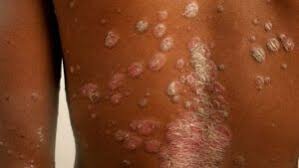
Many people expect health problems to have a clear explanation. If a rash appears, people often assume it must be caused by a new product, allergy, or infection. Yet in medical practice, skin conditions frequently develop without a clear trigger. A patch of redness, bumps, or irritation may appear even when nothing obvious has changed in daily life.
As a medical professional working in dermatology and preventive care, I regularly speak with patients who feel confused or concerned when a skin issue appears suddenly. They often say, “I did not change anything, so why did this happen?” This question is very common. The truth is that skin health depends on many internal and external factors that interact with each other. Because of this, some conditions appear without an immediate or visible cause. How skin works, and why symptoms can develop unexpectedly, helps people manage concerns calmly and seek the right care when needed.
The Skin Is a Highly Active Organ
People often think of skin as a simple outer layer that protects the body. In reality, skin is an active organ with many important roles. It regulates temperature, protects against infection, prevents water loss, and responds to environmental changes.
Skin constantly interacts with the immune system, hormones, blood circulation, and the nervous system. Because of these connections, changes inside the body can affect the skin even before other symptoms appear.
For example, inflammation inside the body may lead to rashes or bumps. Hormonal fluctuations can influence oil production and breakouts. Stress can alter immune responses that affect the skin barrier.
Since many internal processes occur silently, the skin may show signs before the underlying trigger becomes clear.
The Immune System and Unpredictable Reactions
The immune system plays a key role in many skin conditions. It protects the body from harmful bacteria, viruses, and environmental irritants. However, immune responses can sometimes react more strongly than necessary.
When this happens, inflammation may develop in the skin even when there is no visible infection or allergen. This reaction can produce redness, swelling, or circular lesions that appear suddenly.
Conditions such as granuloma annulare, eczema, and certain types of dermatitis involve immune responses that researchers still study. In these situations, doctors may not always identify a precise trigger.
Some people explore supportive lifestyle approaches alongside medical advice, including reading about options such as Herbal Supplements for Granuloma Annulare or lifestyle adjustments that may support skin health. However, it remains important to discuss any supplement or alternative therapy with a healthcare professional first.
Genetics Can Influence Skin Conditions
Family history plays a larger role in skin health than many people realise. Certain conditions run in families because genes influence immune activity, skin structure, and inflammation levels.
If a parent or sibling experiences eczema, psoriasis, or other inflammatory skin issues, the likelihood of developing similar concerns may increase.
Genetics does not guarantee that a condition will appear. Instead, it creates a background risk. A skin condition may develop later in life if environmental or lifestyle factors trigger the underlying tendency.
Because of this genetic influence, two people can live in the same environment yet experience completely different skin reactions.
Hormonal Changes Affect the Skin
Hormones influence many processes in the body, including oil production, skin renewal, and inflammation levels. Even small hormonal changes can alter the appearance of the skin.
Common life stages linked with skin changes include:
- Puberty
- Pregnancy
- Menstrual cycles
- Perimenopause and menopause
- Periods of hormonal imbalance
For example, hormonal shifts can increase oil production and cause acne breakouts even in adults who previously had clear skin. Hormones also affect blood flow and immune activity, which can influence redness or irritation.
Because hormone levels fluctuate naturally, skin symptoms may appear suddenly without an obvious external cause.
Stress and Emotional Health
Stress has a strong influence on skin health. When the body experiences stress, it releases hormones such as cortisol and adrenaline. These chemicals prepare the body to respond to challenges, but they also affect immune activity and inflammation.
High stress levels may weaken the skin barrier and increase sensitivity. As a result, people may notice:
- Red patches
- Flare-ups of eczema or psoriasis
- Itchy or irritated skin
- Sudden rashes
Many patients feel surprised when stress affects their skin. However, the connection between emotional health and skin conditions is well established in dermatology.
Managing stress through sleep, exercise, relaxation techniques, and balanced routines can help support overall skin stability.
Environmental Exposure
Even when people believe nothing has changed in their daily routine, subtle environmental factors can influence skin reactions.
Examples include:
- Seasonal weather changes
- Air pollution
- Temperature fluctuations
- Indoor heating or air conditioning
- Changes in water hardness
Cold air may reduce moisture in the skin, while hot weather increases sweating and irritation. Pollutants in urban areas can weaken the skin barrier and trigger inflammation.
Because these factors develop gradually, people may not connect them with new skin symptoms.
The Role of the Skin Barrier
The outermost layer of skin, often called the skin barrier, protects the body from bacteria, irritants, and moisture loss. When the barrier becomes weakened, the skin becomes more sensitive and reactive.
A weakened barrier may lead to dryness, redness, itching, or rashes. Several everyday habits can affect the skin barrier:
- Overwashing
- Harsh skincare products
- Frequent exfoliation
- Long hot showers
- Low humidity environments
Many people unintentionally damage their skin barrier while trying to improve their skin with new products. Simplifying skincare routines and focusing on gentle hydration often helps restore balance.
Hidden Triggers From Diet or Lifestyle
Certain lifestyle factors may influence skin health even when they do not appear directly related to skin care.
These may include:
- Poor sleep quality
- High sugar intake
- Alcohol consumption
- Nutrient deficiencies
- Smoking
Nutrition supports many skin processes, including collagen production, immune balance, and healing. When the body lacks essential vitamins or minerals, skin problems may develop gradually.
Some individuals look for nutritional support through diet improvements or supplements. For example, people exploring nutritional support for chronic skin concerns may research Granuloma Annulare Natural Treatment approaches that include diet, stress reduction, and targeted nutrients.
Before beginning supplements, it is always wise to consult a healthcare professional to ensure safety and suitability.
Infections That Are Difficult to Detect
Certain infections can trigger skin reactions even when the infection itself is mild or unnoticed.
For example, viral infections may stimulate immune responses that produce temporary skin rashes. In some cases, the rash appears after the infection has already improved.
Because the infection may have caused very mild symptoms, people often assume the rash appeared without any cause.
Doctors sometimes investigate recent illnesses when evaluating unexplained skin changes.
Autoimmune Conditions and Skin Symptoms
Autoimmune conditions occur when the immune system mistakenly targets healthy tissues. Some autoimmune diseases primarily affect the skin, while others influence multiple organs.
Examples of autoimmune-related skin symptoms include:
- Circular or ring-shaped lesions
- Persistent redness
- Thickened skin patches
- Chronic inflammation
In these cases, the skin condition reflects internal immune activity rather than an external trigger.
Doctors often diagnose autoimmune skin conditions through clinical examination, medical history, and sometimes laboratory tests or skin biopsies.
The Influence of Microorganisms on the Skin
The skin naturally hosts millions of microorganisms, including bacteria, fungi, and viruses. This community, known as the skin microbiome, plays an important role in maintaining balance and protecting against harmful organisms.
When the microbiome becomes disrupted, certain microbes may grow excessively and trigger irritation or inflammation.
Factors that influence the skin microbiome include:
- Antibiotic use
- Harsh cleansers
- Environmental exposure
- Changes in skin oil levels
Even small disruptions in microbial balance may lead to visible skin symptoms.
Why Doctors Cannot Always Identify the Exact Cause
Patients often expect doctors to identify a precise cause for every condition. However, dermatology sometimes involves uncertainty.
Several reasons explain this challenge:
- Multiple factors may interact at once
- Triggers may occur weeks before symptoms appear
- Internal processes are not always visible during examination
- Research is still evolving for many skin disorders
Because of these factors, doctors may focus on managing symptoms rather than identifying a single trigger.
For many patients, treatment aims to reduce inflammation, support the skin barrier, and prevent flare-ups.
When to Seek Medical Advice
Although many skin conditions are harmless and temporary, certain symptoms require professional evaluation.
Consider speaking with a healthcare professional if you notice:
- Rapidly spreading rashes
- Painful or swollen skin lesions
- Persistent itching or discomfort
- Skin changes that last several weeks
- Signs of infection such as pus or fever
Early evaluation can help identify potential causes and prevent complications.
Supporting Skin Health Through Daily Habits
Even when the exact cause of a skin condition remains unclear, healthy habits can support skin function and recovery.
Practical steps include:
Gentle skincare
Use mild cleansers and avoid over-exfoliating.
Consistent moisturising
Hydrated skin maintains a stronger barrier.
Balanced nutrition
Include fruits, vegetables, healthy fats, and protein.
Stress management
Regular exercise, relaxation, and adequate sleep help regulate immune responses.
Sun protection
Use sunscreen and protective clothing when outdoors.
Some people also explore nutritional support and supplements to maintain healthy skin. Those interested in these options often search for reliable retailers that offer Best Vitamins and Supplements Products Online UK to ensure product quality and safety.
The Importance of Patience With Skin Conditions
Skin conditions often take time to improve. Because the skin renews itself gradually, treatment results may appear slowly.
Many people try multiple products within a short period, which can irritate the skin further. A consistent routine and professional guidance usually produce better outcomes.
Keeping track of symptoms, lifestyle habits, and skincare products may help identify patterns over time.
Final Thoughts
Skin conditions that appear without an obvious cause can feel frustrating or worrying. However, the skin reflects many internal processes that occur quietly inside the body. Immune activity, hormones, genetics, stress, environmental exposure, and lifestyle habits all influence how the skin behaves.
In many cases, several small factors combine to produce visible symptoms. Even when a clear cause cannot be identified immediately, appropriate care and healthy habits often lead to improvement.
If skin concerns persist or worsen, a qualified healthcare professional can provide guidance, examination, and treatment options. Early support helps protect skin health and provides reassurance during uncertain symptoms.