
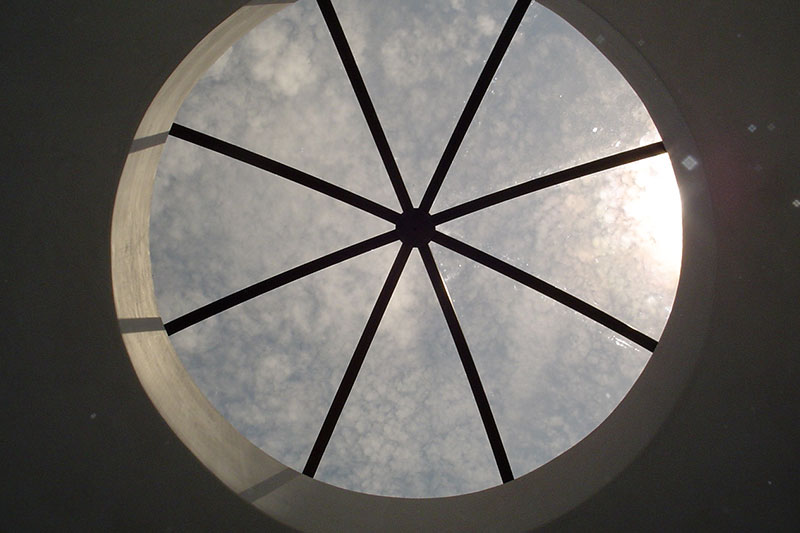
The Complete Guide to Natural Light for Modern Homes
Introduction
Natural light plays a vital role in creating comfortable, healthy, and energy-efficient living spaces. One of the most effective ways to increase daylight inside a home is through sky lighting. By allowing sunlight to enter from the roof, sky lighting systems brighten interiors, improve ventilation, and add a modern architectural feature that enhances both style and functionality.
Whether you are building a new home, renovating an existing property, or upgrading a commercial space, sky lighting offers a practical solution for maximizing daylight while reducing reliance on artificial lighting. In South Africa, where sunshine is abundant throughout the year, sky lighting has become a popular choice for homeowners and businesses seeking sustainable and attractive building solutions.
This guide explains what sky lighting is, its benefits, the different systems available, the installation process, and how to maintain your investment for years of reliable performance.
What Is Sky Lighting?
Sky lighting refers to the use of roof-mounted glazing systems that bring natural sunlight into a building. Unlike traditional wall windows, these systems capture daylight from above, distributing it more evenly throughout interior spaces.
Sky lighting solutions include:
- Skylight windows
- Fixed skylights
- Vented skylights
- Roof windows
- Tubular daylight systems
- Glass roof panels
- Custom roof glazing
These systems are suitable for residential homes, offices, schools, retail stores, restaurants, and industrial buildings.
Benefits of Sky Lighting
1. Maximizes Natural Daylight
Sky lighting introduces significantly more natural light than conventional windows, creating brighter interiors that feel larger, warmer, and more welcoming.
Benefits include:
- Reduced dependence on artificial lighting
- Better visibility during the day
- Enhanced interior aesthetics
- Improved comfort throughout the home
2. Improves Energy Efficiency
Modern sky lighting systems use insulated glazing and energy-efficient materials that help regulate indoor temperatures. By reducing the need for electric lighting and supporting passive heating or cooling, homeowners can lower energy consumption.
3. Enhances Indoor Ventilation
Opening skylights and roof windows allow warm air to escape naturally, improving airflow and creating a healthier indoor environment.
This is particularly beneficial in:
- Kitchens
- Bathrooms
- Laundry rooms
- Loft conversions
- Open-plan living areas
4. Adds Modern Architectural Appeal
Sky lighting creates a clean, contemporary look that complements modern home designs. Natural daylight also highlights interior finishes, making rooms feel more spacious and visually appealing.
5. Increases Property Value
Professionally installed sky lighting systems can improve a property’s desirability by enhancing comfort, energy efficiency, and overall appearance. Buyers often view natural lighting as a valuable feature in modern homes.
6. Supports Well-Being
Exposure to natural daylight can improve mood, reduce eye strain, and create a more enjoyable living environment for families and employees alike.
Types of Sky Lighting Systems
Fixed Skylights
Fixed skylights remain permanently sealed and are designed to maximize natural light without providing ventilation.
Ideal for:
- Living rooms
- Hallways
- Staircases
- Dining areas
Vented Skylights
Vented skylights can be opened manually or electronically to improve airflow while allowing natural light into the room.
Best suited for:
- Kitchens
- Bathrooms
- Upper-floor rooms
Roof Windows
Roof windows are larger glazing systems installed within reach, offering both natural lighting and ventilation.
They are commonly used in:
- Loft conversions
- Attic rooms
- Home offices
Tubular Daylighting Systems
Tubular systems use highly reflective tunnels to channel sunlight into compact spaces where standard skylights cannot be installed.
Perfect for:
- Internal bathrooms
- Walk-in wardrobes
- Narrow hallways
Glass Roof Systems
Glass roofing combines weather protection with uninterrupted natural lighting, making it a popular choice for patios, sunrooms, and commercial buildings.
Choosing the Right Sky Lighting Solution
Before selecting a sky lighting system, consider the following:
- Roof structure
- Room size
- Ceiling height
- Sunlight orientation
- Ventilation needs
- Energy-efficiency requirements
- UV protection
- Waterproof flashing systems
- Budget
Consulting experienced professionals ensures the most suitable solution for your property.
Professional Installation Process
Step 1: Property Assessment
An installer evaluates your roof design, structural requirements, and lighting objectives.
Step 2: Product Selection
Choose the appropriate sky lighting system, glazing type, frame material, and operating style.
Step 3: Roof Preparation
The installation area is accurately measured before creating the roof opening.
Step 4: Installation
The selected unit is securely installed using high-quality flashing systems to prevent water penetration and improve insulation.
Step 5: Interior Finishing
Ceiling linings and decorative trims are completed to create a seamless appearance.
Step 6: Final Inspection
The completed installation is inspected to verify waterproofing, insulation, ventilation, and operational performance.
Maintenance Tips
Routine maintenance helps ensure your sky lighting system performs efficiently for many years.
- Clean glazing surfaces regularly.
- Remove leaves and debris from surrounding roof areas.
- Inspect flashing and weather seals annually.
- Check for condensation or water leaks after heavy rainfall.
- Lubricate opening mechanisms when recommended.
- Arrange periodic professional inspections.
Why Professional Installation Matters
Professional installation provides several important advantages:
- Correct roof integration
- Reliable waterproofing
- Structural safety
- Long-lasting performance
- Improved energy efficiency
- Compliance with local building standards
Proper installation minimizes the risk of leaks, drafts, and unnecessary maintenance costs.
Why Sky Lighting Is Ideal for South African Homes
South Africa’s sunny climate makes sky lighting a practical and cost-effective way to brighten homes and commercial buildings. Natural daylight can reduce electricity usage while creating comfortable indoor spaces throughout the year.
Whether installed in homes, offices, schools, shopping centres, restaurants, or hospitality venues, sky lighting systems provide a combination of functionality, sustainability, and modern design.
Conclusion
Sky lighting is one of the most effective ways to improve natural light, ventilation, and energy efficiency in modern homes. With options including fixed skylights, vented skylights, roof windows, tubular daylight systems, and glass roofing, homeowners can choose a solution that complements both their lifestyle and architectural design.
When professionally installed and properly maintained, sky lighting systems provide long-term value by creating brighter interiors, lowering energy costs, and enhancing the overall appeal of a property. If you’re planning a new build or renovation, investing in quality sky lighting is a smart choice for a more comfortable and sustainable home.