
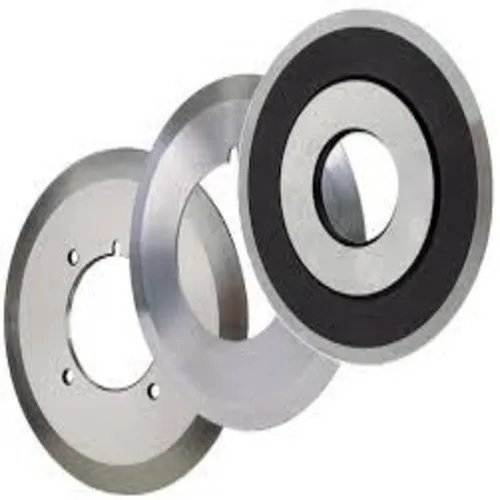
Slitter blades play a crucial role in modern manufacturing, especially in industries that require precise cutting of materials into narrower rolls or sheets. From paper and plastic to metal and textiles, these blades ensure accuracy, efficiency, and clean cuts. In this blog, we’ll explore what slitter blades are, their types, applications, and how to maintain them for optimal performance.
What Are Slitter Blades?
Slitter blades are specialized cutting tools used in slitting machines to cut wide rolls of material into smaller, more manageable widths. These blades are designed to deliver high precision and durability, making them essential in high-speed production environments.
Types of Slitter Blades
Choosing the right type of slitter blade depends on the material being cut and the specific application. Here are the most common types:
1. Razor Blades
Razor blades are thin, sharp blades typically used for cutting lightweight materials such as plastic films, paper, and foil. They are cost-effective and easy to replace.
2. Shear Slitter Blades
These blades operate like scissors, with two blades working together to create a clean cut. They are ideal for thicker and tougher materials like metals and laminates.
3. Crush Cut Blades
Crush cut blades apply pressure to crush and cut the material against a hardened surface. They are commonly used for non-woven fabrics and certain types of paper.
4. Circular Slitter Blades
These are round blades used in rotary slitting machines. They offer high precision and are widely used across industries for continuous cutting operations.
Applications of Slitter Blades
Slitter blades are used in a wide range of industries, including:
- Paper Industry: Cutting large paper rolls into smaller sizes
- Packaging Industry: Slitting plastic films, foils, and laminates
- Metal Industry: Processing steel, aluminum, and other metals
- Textile Industry: Cutting fabrics and non-woven materials
- Rubber and Plastic Industry: Precision cutting of sheets and rolls
Key Features to Consider
When selecting slitter blades, keep these factors in mind:
- Material Composition: High-speed steel (HSS), carbide, or tool steel
- Blade Hardness: Determines durability and wear resistance
- Edge Geometry: Impacts cutting precision and finish
- Coating: Enhances performance and lifespan
Maintenance Tips for Longer Blade Life
Proper maintenance can significantly extend the life of your slitter blades and improve cutting performance.
1. Regular Cleaning
Remove debris and residue after each use to prevent buildup that can affect cutting quality.
2. Sharpening
Keep blades sharp to ensure clean cuts and reduce strain on machinery.
3. Proper Storage
Store blades in a dry, protected environment to avoid corrosion and damage.
4. Routine Inspection
Check for signs of wear, chipping, or misalignment and replace blades when necessary.
Benefits of Using High-Quality Slitter Blades
- Improved cutting accuracy
- Increased production efficiency
- Reduced downtime and maintenance costs
- Better product quality
Conclusion
Slitter blades are essential components in many industrial processes, offering precision and efficiency in material cutting. By choosing the right type of blade and maintaining it properly, businesses can enhance productivity and reduce operational costs. Whether you’re in packaging, metal processing, or textiles, investing in high-quality slitter blades is a smart move for long-term success.