
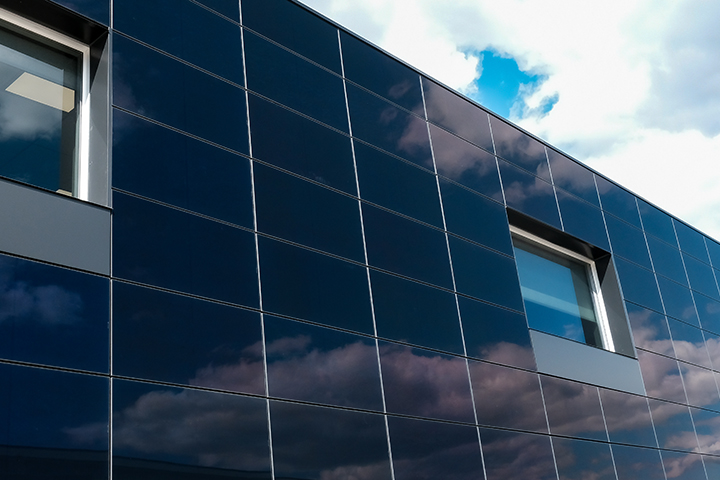
You can turn your building skin into a power source without sacrificing design. Solar panel cladding integrates photovoltaic materials directly into exterior walls and facades, letting you generate electricity while keeping weather protection and architectural style intact.
This article explains what solar panel cladding is, how it differs from rooftop arrays, and where it makes the most sense—from commercial curtain walls to ventilated façades on homes. You’ll learn practical benefits, installation approaches, and real-world applications to help decide whether this BIPV approach fits your project and goals.
What Is Solar Panel Cladding?
Solar panel cladding integrates photovoltaic modules into a building’s exterior, replacing or covering traditional facade materials to generate electricity while performing weatherproofing and aesthetic functions. You’ll see it used on walls, curtain systems, and some glazing where it must meet structural, thermal, and fire-safety requirements.
Definition and Core Concepts
Solar panel cladding combines PV modules with cladding systems so the facade itself becomes an energy-producing element. You can think of it as a building-integrated photovoltaic (BIPV) solution tailored for vertical or angled exterior surfaces rather than conventional rooftop arrays.
Key functions you should expect:
- Energy generation: PV cells convert sunlight to electricity and connect to the building electrical system.
- Weather and thermal control: Modules and backing materials must provide water, wind, and thermal resistance comparable to standard cladding.
- Architectural integration: Modules serve as finished surfaces, so color, transparency, and module size affect design choices.
Performance depends on orientation, tilt, shading, and electrical integration. You must account for mounting details, fire ratings, and maintenance access during design and specification.
Types of Solar Cladding Systems
You’ll encounter several main system types, each suited to different design goals and installation constraints.
- Curtain wall-integrated PV: Photovoltaic modules replace the infill panels in curtain wall systems. This option suits new construction and large façades.
- Rainscreen PV panels: Modules attach to an external subframe, creating a ventilated cavity behind the PV for moisture control and thermal management.
- Semi-transparent PV glazing: Incorporates PV within glass units to allow daylight transmission while producing power; useful for windows and skylights.
- Prefabricated panel cladding: Factory-made sandwich panels with integrated PV simplify onsite installation and quality control.
Select a system based on structural loads, maintenance access, available mounting depth, and desired transparency or appearance. Each system imposes different electrical routing and fire-safety strategies you must coordinate with consultants.
Key Materials Used
Materials choice affects performance, durability, and compliance. You should evaluate modules, backing, and supporting cladding components.
- PV cells and modules: Monocrystalline and polycrystalline silicon dominate for opaque panels; thin-film or CIGS are options for flexibility or semi-transparency.
- Glazing: Low-iron tempered glass with anti-reflective coatings improves light transmission and reduces soiling on semi-transparent systems.
- Backing and insulation: Weatherproof membranes, mineral wool or PIR insulation, and vapor barriers deliver thermal and fire performance.
- Subframing and fixings: Aluminum or stainless-steel mullions, rails, and brackets provide structural support and drainage; choose corrosion-resistant materials for longevity.
You must also consider junction boxes, wiring, inverters or microinverters, and fire-stop materials. Material selection should meet local building codes for fire, wind, and seismic loads while aligning with your aesthetic and energy goals.
Benefits and Applications of Solar Panel Cladding
Solar cladding can reduce your building’s energy bills, improve thermal performance, and serve as a design element that replaces traditional facade materials. It works on new builds and retrofits, integrates with ventilated façades, and can provide on-site generation without using roof space.
Energy Efficiency and Cost Savings
You capture electricity directly at the building envelope, which reduces grid consumption and peak demand charges. Systems such as BIPV or ventilated photovoltaic rainscreens typically produce 20–40 W per square foot for common commercial modules, depending on orientation and shading. That generation offsets lighting, HVAC loads, and meter-based demand.
You also gain thermal benefits. A ventilated cavity behind cladding lowers heat gain in summer and reduces thermal bridging in winter, cutting HVAC runtime. Installation and lifecycle costs vary: integrated cladding can raise upfront costs versus standard cladding but often shortens payback when you count avoided energy purchases, incentives, and possible green-building credits.
Architectural Integration
You can replace conventional glass, metal panels, or spandrels with photovoltaic elements while keeping a sleek aesthetic. Manufacturers offer thin-film, crystalline, and glass-glass modules sized for curtain walls, channel glass, or panelized siding. Custom color, texture, and module layout enable consistent façades and permit daylighting where translucent PV is used.
Installation fits new construction and overlay retrofits: overlay panels mount over existing siding; integrated BIPV replaces the substrate. Work with architects and façade contractors to ensure wind load, waterproofing, and electrical routing meet code. Certified installers simplify mechanical attachment and grid interconnection.
Sustainability Impact
You reduce on-site carbon emissions by generating renewable electricity and lowering building energy use. Over a 25–30 year lifespan, PV cladding often displaces a measurable amount of grid-supplied CO2; the exact reduction depends on local grid intensity and system output. Material choices matter: glass-glass modules and recyclable mounting systems improve end-of-life outcomes.
You may also improve building resilience. Distributed generation at the façade can supply critical circuits during outages when paired with storage. Additionally, some jurisdictions award points for BIPV in green building rating systems, supporting your sustainability certifications and regulatory compliance.