
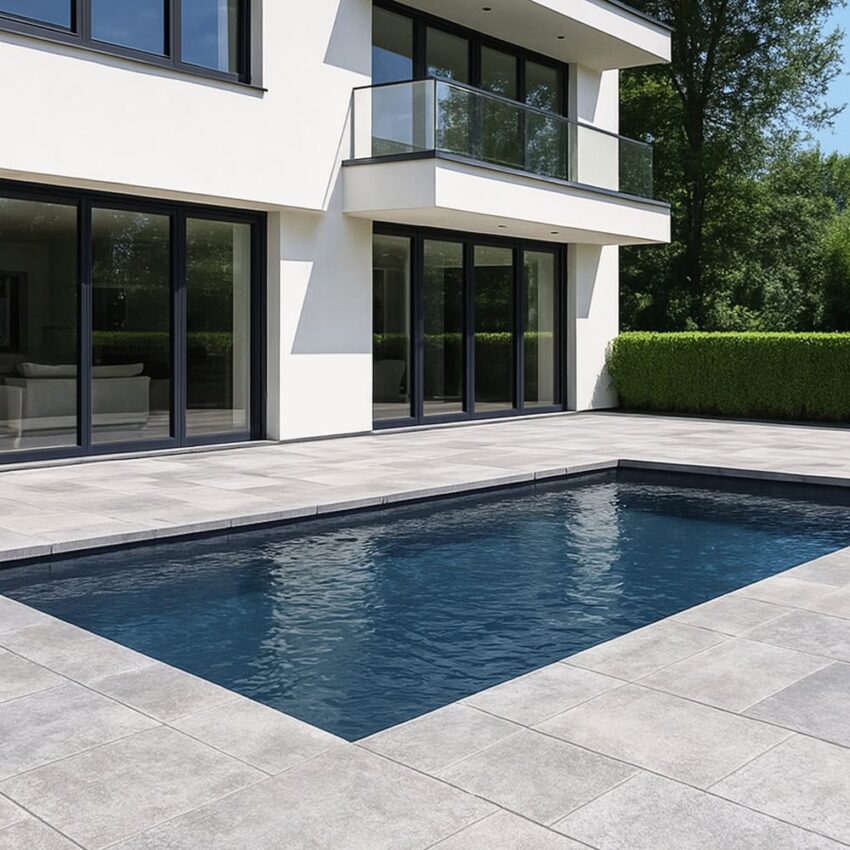
Outdoor paving fails when the material does not suit the climate or usage. Cracks form. Colours fade. Surfaces turn slippery. Stone pavers Australia offers a wide range of options, but choosing the right one requires clear thinking. Your choice affects safety, durability, and long-term cost. This guide explains what matters most before you commit.
What You Need From Outdoor Pavers
Start with function, not looks. Every outdoor area has a job to do. A driveway faces weight. A pool edge stays wet. A patio deals with heat.
Ask yourself:
- How much foot or vehicle traffic will this area get?
- Will water sit on the surface often?
- Does the space get full sun all day?
- Do you want uniform lines or natural variation?
Clear answers lead to better material choices.
Climate Matters More Than You Think
Australia’s climate tests outdoor surfaces. Heat, rain, and UV exposure take a toll. Materials must handle expansion, moisture, and sun without damage.
Good outdoor pavers should:
- Stay stable in heat
- Resist surface fading
- Handle rain without cracking
- Keep grip when wet
This is where material type makes a difference.
Stone Pavers Australia: Choosing Based on Performance
When comparing options under Stone Pavers Australia, performance should guide your decision before style. Each material behaves differently outdoors.
Natural stone and concrete dominate outdoor paving for good reason. Both work well when matched to the right use.
Natural Stone Pavers Sydney: Strength With Character
Natural stone pavers Sydney remain a popular choice for outdoor spaces. Each piece forms in nature, not a factory. This gives stone its strength and visual depth.
Common natural stone options include granite, limestone, travertine, and bluestone. These stones suit patios, paths, and pool surrounds.
Benefits you can expect:
- High durability under foot traffic
- Natural grip with textured finishes
- Colour stability in sunlight
- Unique surface variation
Stone works best when you want longevity and a natural look.
Where Natural Stone Works Best
Natural stone suits areas that demand both strength and style.
Best uses include:
- Pool surrounds
- Garden paths
- Courtyards
- Alfresco zones
The surface stays cool underfoot and ages well over time.
Outdoor Concrete Pavers: Controlled and Consistent
Outdoor concrete pavers offer a different set of strengths. They are manufactured for uniform size and colour. This suits modern layouts and structured designs.
Concrete pavers handle heavy use when installed correctly. Their even shape makes installation faster and layouts precise.
Key advantages include:
- Consistent appearance
- Reliable strength
- Easier replacement if damaged
- Wide design options
Concrete works well where clean lines and budget control matter.
When Concrete Makes Sense
Concrete pavers suit spaces with strict design rules.
They perform well in:
- Driveways
- Large patios
- Commercial walkways
- Modern outdoor areas
Sealing improves stain resistance and colour life.
Slip Resistance and Safety
Outdoor surfaces must stay safe when wet. This matters near pools and garden areas.
Look for:
- Textured finishes
- Natural cleft surfaces
- Smaller paver sizes with more joints
Natural stone often offers better grip due to surface texture. Concrete relies on finish choice and sealing quality.
Thickness and Load Capacity
Paver thickness affects strength. Thin tiles do not suit outdoor loads.
General guidance:
- Light foot traffic: medium thickness
- Heavy foot traffic: thicker stone
- Driveways: thick pavers only
Ignoring thickness leads to cracks and movement.
Maintenance Reality Check
Every outdoor surface needs care. The level differs by material.
Natural stone requires:
- Occasional sealing
- Simple washing
- Careful chemical use
Concrete pavers need:
- Regular cleaning
- Periodic resealing
- Stain control
Neither option is high maintenance when installed correctly.
Cost vs Long-Term Value
Upfront price does not equal true cost. Cheap materials often fail early.
Natural stone costs more at the start but lasts longer. Concrete costs less upfront but may need replacement sooner in high-use areas.
Think in years, not months.
Design Flexibility and Layout
Pavers shape how a space feels. Stone brings variation and warmth. Concrete delivers order and symmetry.
Consider:
- Large pavers for modern looks
- Smaller formats for curves and detail
- Mixed tones for depth
- Neutral colours for resale appeal
Design should support function, not fight it.
Installation Quality Shapes Results
Even the best paver fails with poor installation. Base preparation, drainage, and joint spacing matter.
A strong installation includes:
- Compacted base
- Proper bedding material
- Correct joint spacing
- Controlled water runoff
Skipping steps shortens lifespan.
Common Mistakes to Avoid
Many outdoor paving problems come from rushed choices.
Avoid these errors:
- Choosing style over performance
- Ignoring slip resistance
- Using indoor tiles outside
- Skipping sealing where needed
Planning saves money later.
FAQs About Outdoor Pavers
Which paver lasts the longest outdoors?
Natural stone offers the longest lifespan when installed and sealed properly.
Are concrete pavers suitable for pool surrounds?
Yes, if they have a slip-resistant finish and proper drainage.
Do natural stone pavers fade in sunlight?
High-quality stone resists UV fading better than many manufactured options.
How often should outdoor pavers be sealed?
Most surfaces benefit from sealing every few years, depending on exposure.
Can damaged pavers be replaced easily?
Concrete pavers are easier to replace due to uniform sizing.
Making a Confident Choice That Lasts
Outdoor paving decisions carry long-term impact. Materials must handle climate, use, and time without constant repair. Stone Pavers Australia includes options that meet these demands when chosen with care. Reliable suppliers like RMS Marble Natural Stone & Ceramics Pty Ltd offer guidance and stock that supports lasting outdoor results. Availability shifts quickly during peak seasons. Visit us to review materials before selections narrow and timelines tighten.