
There is a stubborn idea that refuses to leave the room, even among people who spend time around art. It says printmakers, especially those working in intaglio, are more technicians than artists. Skilled, yes, but somehow secondary. As if their job is to execute a process rather than shape an idea. That view falls apart the moment you pay real attention. It misunderstands not just the work, but the kind of thinking the work demands.
Skill Is Only the Surface
Intaglio is exacting. You work on a plate, not a canvas, and every mark carries consequence. Acid bites where you allow it, tools cut where you guide them, and pressure decides how the image transfers. None of this is casual. But calling it technical misses what is actually happening. The artist is making choices under constraint, often without immediate feedback. You cannot fully see the result until the plate is inked and printed. That gap forces a different kind of awareness, one that blends planning with instinct. It is less about control than about staying alert to how small decisions accumulate.
Expression Lives in the Plate
People often look for expression in the final image, which makes sense, but in intaglio, it begins much earlier. It sits in the plate itself. The depth of a line, the roughness of a surface, the way tones are built through aquatint or cross-hatching, all of it is decided before the print exists. There is a quiet intensity to that process. You are committing to marks that cannot be easily undone, and you are doing it while imagining how ink and paper will translate them later. It demands patience, but not the passive kind. More like a steady, attentive focus that does not let you drift.
Looking Closely Changes Things
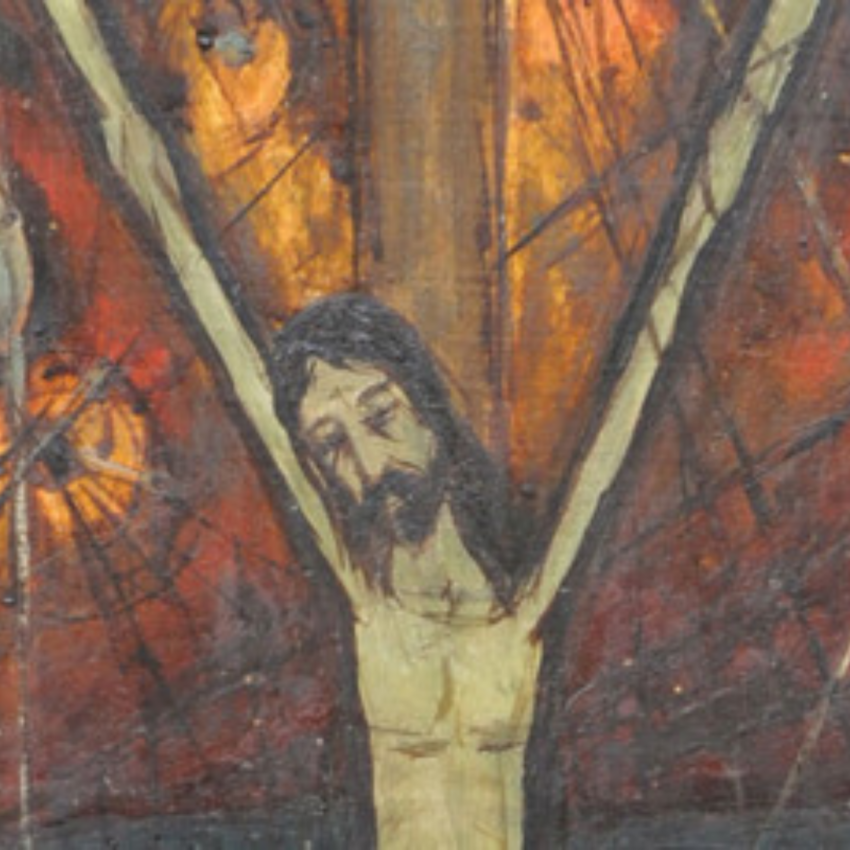
If you stand in front of a strong print, the difference is obvious. Take Josip Restek as an example. His work does not read like something assembled through a formula. It has weight, movement, and a kind of internal structure that reveals itself slowly. Spend a few minutes with Josip Restek’s art, and the surface begins to shift. Lines feel less like outlines and more like forces, pushing and pulling against each other. That is not a technical display. It is a visual language built over time, shaped by decisions that are both disciplined and intuitive.
The Problem With “Reproducible”
Prints get dismissed because they can exist in multiples. That is where the misunderstanding deepens. The assumption is that if something can be repeated, it must be less original. In practice, each impression carries a subtle variation. Ink sits differently, pressure changes slightly, and paper responds in its own way. More importantly, the originality lives in the plate. That is where the image is authored. The edition is not a shortcut. It is a series of translations, each one tied back to a single, carefully constructed source.
Why the Myth Sticks Around
Part of the issue is visibility. Most people never see the stages that lead to a finished print. They see the result without witnessing the hesitation, the adjustments, the small risks taken along the way. Without that context, it is easy to assume the process is mechanical. It is not. It is deliberate, and sometimes unforgiving. This is exactly where the role of an intaglio printmaking artist becomes clear, in the need to think ahead while staying responsive to what comes back from the press. That loop between intention and outcome is where the work actually lives.
Conclusion
The idea that printmakers are just technicians does not hold up under scrutiny. It simplifies a practice that is anything but simple. Once you look closely, really look, the distinction between technique and expression disappears. They depend on each other. If this shifts how you see things, even a little, it is worth following that thread. Seek out more work, spend time with it, and let it challenge your assumptions. Start with Josip Restek’s art and take it from there.