
Concession stands look simple, yet they use smart design strategies.
Minimalist printing helps increase perceived value without raising cost.
This paradox shapes how customers see, feel, and buy.
Why Simple Design Feels More Expensive
At a concession stand, customers decide quickly. They rarely compare details. Instead, they trust first impressions. Therefore, design plays a powerful role.
Simple design feels organized. It feels confident. When a package shows fewer elements, it signals control. As a result, customers connect simplicity with quality.
Luxury brands use this principle often. They avoid clutter. They focus on spacing and clean fonts. Similarly, concession packaging can apply the same logic. A calm layout stands out in a noisy space.
Moreover, minimal printing reduces confusion. The eye finds the product name fast. The brain processes the message easily. Because of this clarity, the product appears more refined.
In my retail branding work, I have tested busy versus simple layouts. Simple versions often increased positive feedback. Customers described them as modern and fresh. Interestingly, the price remained the same.
Empty space also adds strength. It frames the message. It allows one strong color to shine. Therefore, the design feels intentional rather than random.
When customers sense intention, they sense value. That perception increases willingness to buy. Even small snacks benefit from this effect.
Minimalism does not mean boring. Instead, it means focused. Every line must serve a purpose. Every color must support the message. Through this focus, simple design creates a premium feel without extra cost.
The Power of Visual Clarity in Busy Environments
Concession stands operate in loud spaces. Cinemas, fairs, and stadiums create sensory overload. Therefore, clarity becomes rare and valuable.
Visual clarity reduces mental effort. When customers see clean packaging, they relax slightly. That short moment of ease influences buying behavior.
Several elements improve visual clarity:
- Clear and bold typography that reads from distance
- Limited color palette for quick recognition
- Balanced spacing around logos and product names
- Simple icons instead of complex illustrations
These features guide the eye smoothly. They prevent distraction. As a result, customers feel confident about their choice.
In fast-paced settings, people prefer fast decisions. If a design looks complicated, they move on. However, if it looks clear, they act.
I have observed this pattern in food kiosks. Simple packages often sell faster during peak hours. Staff also report easier handling and display.
Clarity builds trust. When a product looks organized, customers assume the brand is organized too. This belief strengthens perceived value.
Furthermore, clarity supports brand memory. When people leave the venue, they remember simple visuals more easily. Strong memory leads to repeat purchases.
In crowded retail areas, shouting does not always win. Sometimes, calm design captures more attention. Therefore, visual clarity becomes a strategic advantage.
How White Space Increases Perceived Size and Worth
White space may look empty. However, it carries strong psychological weight. It frames content and adds breathing room.
When packaging uses white space wisely, the product appears larger. The eye sees space as luxury. Therefore, customers connect open layouts with premium brands.
In concession settings, products are often small. Yet smart spacing can enhance their presence. A clean background allows the logo to stand proud. It also highlights the product shape.
Moreover, white space improves readability. Customers understand information faster. They do not struggle to find the flavor or name. This speed supports impulse buying.
From my experience in packaging audits, crowded designs often feel cheap. They try to fill every inch. In contrast, minimal layouts show confidence. They do not fear empty areas.
White space also balances color. If one strong tone dominates, space softens it. Therefore, the design remains pleasant and easy to view.
Importantly, white space reduces visual fatigue. In busy environments, customers appreciate calm visuals. This calm feeling increases positive association.
Perceived worth grows when design feels intentional. Empty space signals control and thought. It shows that the brand values presentation.
In the concession stand paradox, less ink often creates more value. White space proves that what you remove can matter more than what you add.
Cost Efficiency That Strengthens Brand Positioning
Minimalist printing lowers production complexity. Fewer colors reduce ink use. Simple layouts reduce design errors. Therefore, production becomes smoother.
However, the real advantage lies in smart reinvestment. Brands can use saved costs to improve material quality. Thicker paper feels stronger. Stronger material feels premium.
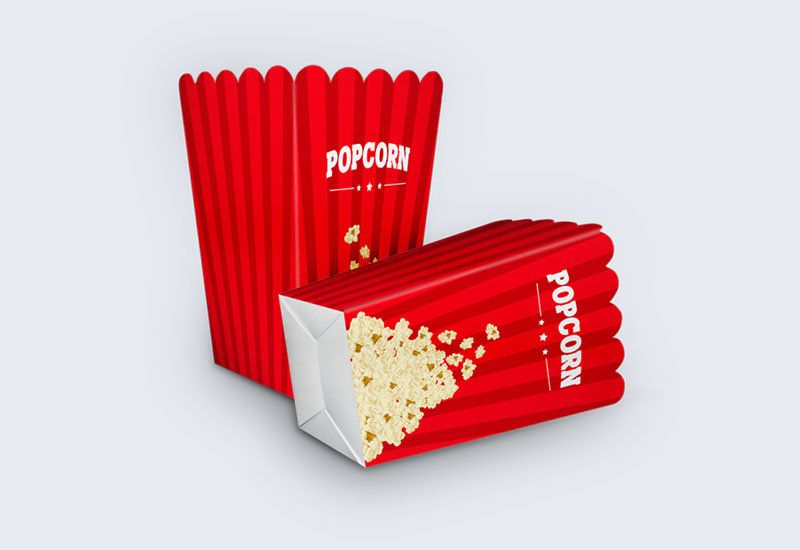
For example, Printed Popcorn Boxes with clean designs often feel sturdier and more refined. Customers notice the texture and structure. Even without heavy graphics, the product feels elevated.
Cost efficiency also improves consistency. Complex designs risk misalignment during printing. Simple designs avoid such issues. As a result, branding stays sharp.
Additionally, minimalist packaging adapts easily across sizes. The same layout works on cups, trays, and boxes. This flexibility strengthens identity.
I have worked with small vendors who feared simple design. They thought more graphics meant more value. Yet after switching to clean layouts, sales improved. Customers responded positively to the new look.
Efficiency does not reduce impact. Instead, it sharpens it. By focusing on essentials, brands communicate clearly.
When customers hold a well-made package, they feel quality. That feeling shapes perception more than heavy decoration.
Thus, cost savings and premium perception can exist together. This balance defines the paradox. Spending less on clutter allows brands to invest more in real experience.
Emotional Triggers at the Point of Purchase
Concession purchases often connect to emotion. People buy snacks during moments of joy. Therefore, packaging must support that feeling.
Minimalist printing enhances emotional clarity. It avoids overwhelming the senses. Instead, it complements the environment.
Color plays a role here. Warm tones increase appetite. However, too many bright shades create stress. Balanced design keeps excitement controlled.
Customers also seek familiarity. Simple branding improves recognition. When they spot a known design quickly, they feel comfort. Comfort encourages purchase.
In my experience, emotional alignment matters more than decoration. I ask what the customer feels at that moment. Then I remove unnecessary details. The final design reflects the mood.
Emotion grows from trust. Clean design signals care. It suggests hygiene and quality. These signals matter strongly in food retail.
Moreover, emotional impact increases when design feels modern. Younger audiences appreciate authenticity. They prefer brands that look honest rather than exaggerated.
At the point of purchase, seconds matter. Minimalist printing delivers the message instantly. It creates a positive emotional response without extra noise.
When design aligns with emotion, perceived value rises naturally. Customers feel good about their choice. That feeling often matters more than price.
Building Long-Term Recognition Through Simplicity
Brand recognition depends on repetition. Simple designs repeat easily. They remain consistent across platforms.
When concession brands use clean layouts, memory improves. Customers remember shapes and colors faster. Over time, these visuals become familiar.
Complex designs change often. Trends shift quickly. However, simple branding stays relevant longer. This stability strengthens identity.
Several benefits support long-term recognition:
- Easier adaptation across products
- Stronger visual memory in crowded markets
- Better consistency in seasonal promotions
- Clear alignment with digital marketing visuals
Consistency builds trust. When customers see the same simple design repeatedly, they connect it with reliability.
From professional audits, I have seen how disciplined branding increases loyalty. Vendors who maintain simple layouts often enjoy steady repeat sales.
Recognition also supports pricing power. When people trust a brand, they accept slightly higher prices. They believe the quality justifies it.
In busy concession markets, differentiation matters. Surprisingly, simplicity often differentiates more than complex art. It shows confidence and professionalism.
Therefore, minimalism is not a trend. It is a long-term strategy. Through clarity and consistency, brands build strong recognition and sustained perceived value.
The Future of Minimalist Printing in Food Retail
Consumer behavior continues to evolve. Sustainability now influences many choices. Minimalist printing aligns well with this shift.
Fewer inks often reduce environmental impact. Simple production processes create less waste. Therefore, brands can position themselves as responsible.
Digital printing technology also supports precision. Clean layouts benefit from sharp lines and smooth finishes. Even subtle textures enhance appeal.
Younger audiences value transparency. They prefer honest communication. Minimalist packaging communicates openness and focus.
In future concession spaces, technology may integrate with design. QR codes can appear subtly within clean layouts. Innovation does not require clutter.
From industry trends, I see a steady move toward calm aesthetics. However, success depends on thoughtful execution. Minimalism must reflect brand identity.
The concession stand paradox will remain relevant. By reducing visual complexity, brands increase perceived value. By simplifying printing, they strengthen impact.
In the end, simplicity creates clarity. Clarity builds trust. And trust turns small purchases into lasting brand relationships.
Final Thoughts
The concession stand paradox teaches a powerful lesson. More design does not always mean more value. In fact, less often achieves more.
Minimalist printing works because it respects human behavior. Customers think fast. They feel fast. Therefore, design must communicate fast. Clean layouts reduce effort. Reduced effort increases comfort. Comfort drives buying decisions.
Throughout my experience in retail branding, I have seen one clear pattern. When brands remove clutter, perception improves. When they focus on clarity, trust grows. This trust directly impacts sales.
Moreover, simplicity supports long-term growth. It reduces printing costs. It improves consistency. It strengthens recognition. These advantages create both short-term profit and long-term brand equity.
The true power of minimalism lies in intention. Every element must serve a purpose. Every color must guide emotion. Every space must frame meaning. When nothing feels random, everything feels valuable.
In busy concession environments, customers face noise everywhere. Therefore, calm design becomes rare. And what is rare often feels premium. This is the heart of the paradox.
Minimalist printing does not remove personality. Instead, it sharpens it. It highlights what truly matters. It allows the product to shine without distraction.
As food retail continues to evolve, clarity will remain essential. Customers will continue to prefer brands that feel honest and confident. Simple design delivers both.
In the end, perceived value lives in the mind. And thoughtful minimalism shapes that perception with quiet strength.
Place Your Order Now: https://ibexpackaging.com/custom-popcorn-boxes/