
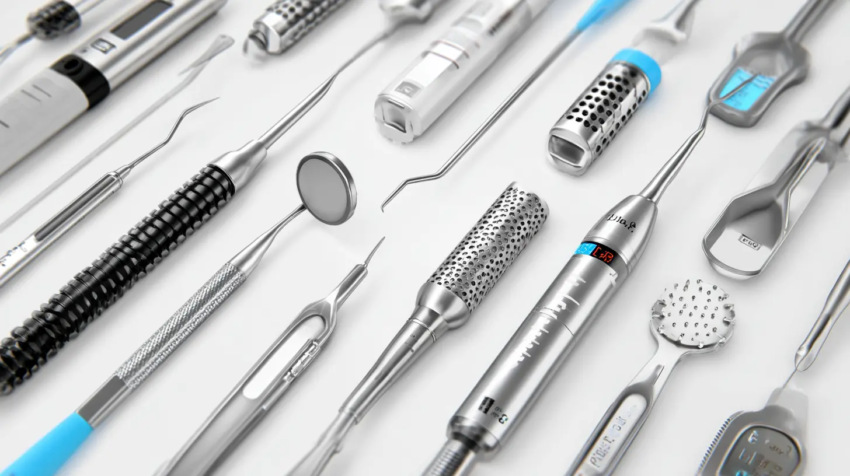
Dental instruments have undergone significant transformation over the years, evolving from basic tools into highly specialized equipment designed for precision and efficiency. In the early days of dentistry, practitioners relied on simple, handcrafted tools that often lacked consistency and durability. However, advancements in technology and material science have led to the development of modern instruments that meet the highest clinical standards. Today, Dental Instruments Australia are known for their superior quality, particularly those made from surgical-grade stainless steel, which ensures durability, corrosion resistance, and optimal performance. These instruments are not only designed for accuracy but also for patient safety and comfort. The integration of ergonomic designs has further improved handling, allowing dental professionals to perform procedures with greater control and reduced fatigue. As dentistry continues to advance, the role of high-quality instruments becomes even more critical in achieving clinical excellence. Reliable tools enable practitioners to deliver precise diagnoses and effective treatments, ultimately improving patient outcomes. This evolution reflects the growing emphasis on quality, innovation, and performance in modern dental care, making advanced instruments an essential part of every professional practice.
Advancements in Design and Material Quality
One of the most notable aspects of the evolution of dental instruments is the improvement in design and material quality. Modern instruments are crafted using advanced manufacturing techniques that ensure consistency and precision. The use of high-grade materials, such as stainless steel, has significantly enhanced the durability and lifespan of these tools. Dental Instruments Australia are particularly recognized for adhering to strict quality standards, ensuring that each instrument performs reliably in clinical settings. In addition, the introduction of autoclave-compatible materials has made sterilization more efficient, supporting infection control protocols in dental practices. These advancements have also contributed to the development of specialized tools, including Dental Extraction Forceps, which are designed to provide optimal grip and control during procedures. The focus on quality materials not only improves performance but also reduces the risk of instrument failure. As a result, dental professionals can work with confidence, knowing that their tools are built to withstand the demands of daily use. This continuous improvement in design and materials plays a vital role in enhancing the overall standard of dental care.
The Importance of Ergonomic Innovation
Ergonomic innovation has become a key factor in the development of modern dental instruments. Traditional tools often caused discomfort and fatigue for practitioners, especially during lengthy procedures. Today, manufacturers prioritize ergonomic designs that improve grip, balance, and control. Features such as hollow handles and textured surfaces allow for better handling, reducing strain on the hands and wrists. Dental Instruments Australia have embraced these innovations, offering tools that support both efficiency and comfort. This is particularly important for instruments like Dental Extraction Forceps, where precision and steady control are essential. By minimizing physical strain, ergonomic designs enable dental professionals to maintain focus and accuracy throughout procedures. Over time, this contributes to better performance and reduced risk of repetitive strain injuries. The emphasis on ergonomics reflects a broader understanding of the needs of dental practitioners, ensuring that instruments are not only functional but also user-friendly. This balance between comfort and performance is a key element in achieving clinical excellence.
Precision Tools for Modern Procedures
Precision is at the heart of modern dentistry, and the evolution of dental instruments has been driven by the need for accuracy in every procedure. Today’s tools are designed with meticulous attention to detail, allowing practitioners to perform even the most delicate tasks with confidence. Dental Instruments Australia are developed to meet these high standards, ensuring consistent performance in various clinical applications. Instruments such as Dental Extraction Forceps are engineered to provide a secure grip and precise control, which is essential for safe and effective tooth extractions. The ability to perform procedures with accuracy not only improves patient outcomes but also enhances the overall efficiency of dental practices. Advanced tools reduce the margin of error, allowing for quicker and more reliable treatments. This focus on precision has transformed the way dental professionals approach their work, enabling them to deliver higher levels of care. As technology continues to evolve, the demand for precision instruments will only increase, further shaping the future of dentistry.
The Role of Specialized Instruments in Clinical Practice
Specialized dental instruments play a crucial role in modern clinical practice, allowing practitioners to address a wide range of dental conditions with greater effectiveness. Unlike general tools, these instruments are designed for specific procedures, ensuring optimal performance and accuracy. Dental Instruments Australia include a variety of specialized tools that cater to different clinical needs, from routine examinations to complex surgical procedures. Among these, Dental Extraction Forceps are particularly important, as they are specifically designed to facilitate safe and efficient tooth removal. The availability of different variants ensures that practitioners can select the most appropriate tool for each case. This level of specialization enhances the quality of care provided to patients, as it allows for more precise and targeted treatments. In addition, specialized instruments contribute to improved workflow in dental practices, enabling professionals to perform procedures more efficiently. The use of high-quality tools also reduces the risk of complications, ensuring better outcomes for patients. As dentistry continues to advance, the importance of specialized instruments in achieving clinical excellence cannot be overstated.
Ensuring Safety and Sterilization Standards
Safety and sterilization are fundamental aspects of dental practice, and the evolution of dental instruments has greatly improved these areas. Modern instruments are designed to be fully compatible with sterilization processes, ensuring that they can be safely reused without compromising hygiene. Dental Instruments Australia are manufactured to meet strict regulatory standards, making them reliable for professional use. The use of autoclave-compatible materials allows for effective sterilization, reducing the risk of cross-contamination. This is particularly important for tools like Dental Extraction Forceps, which are used in procedures that require the highest level of hygiene. Proper sterilization not only protects patients but also ensures the safety of dental professionals. In addition, high-quality instruments are less prone to wear and damage, maintaining their effectiveness even after repeated sterilization cycles. This focus on safety and hygiene reflects the growing emphasis on infection control in modern dentistry. By using reliable and well-designed instruments, dental practices can maintain high standards of care and ensure a safe environment for both patients and staff.
Long-Term Value of High-Quality Instruments
Investing in high-quality dental instruments provides long-term value for dental professionals and practices. While the initial cost may be higher, the durability and reliability of premium tools make them a cost-effective choice over time. Dental Instruments Australia are known for their robust construction and long lifespan, making them a preferred option for professionals who prioritize quality. Instruments such as Dental Extraction Forceps are designed to withstand frequent use without compromising performance, ensuring consistent results in clinical procedures. High-quality tools also require less frequent replacement, reducing overall costs for dental practices. In addition, they contribute to improved efficiency, allowing practitioners to perform procedures more effectively. The reliability of these instruments enhances confidence and reduces the risk of complications, leading to better patient outcomes. Over time, the benefits of using premium instruments become evident in both performance and cost savings. This makes them an essential investment for any dental practice aiming to achieve clinical excellence and maintain high standards of care.
Conclusion
The evolution of dental instruments has played a significant role in shaping modern dentistry, transforming the way dental professionals diagnose and treat patients. From basic tools to advanced, precision-engineered equipment, these instruments have become essential for achieving high standards of care. Dental Instruments Australia continue to set benchmarks in quality and performance, offering reliable solutions for a wide range of clinical needs. The development of specialized tools, including Dental Extraction Forceps, has further enhanced the ability of practitioners to perform procedures with accuracy and confidence. In addition, advancements in materials, design, and ergonomics have improved both the functionality of instruments and the comfort of users. These innovations contribute to better patient outcomes and more efficient dental practices. As the field of dentistry continues to evolve, the importance of high-quality instruments will only grow. By investing in reliable and well-designed tools, dental professionals can ensure consistent performance and long-term success. Ultimately, the ongoing evolution of dental instruments reflects a commitment to excellence, innovation, and patient care, making them a cornerstone of modern clinical practice.