
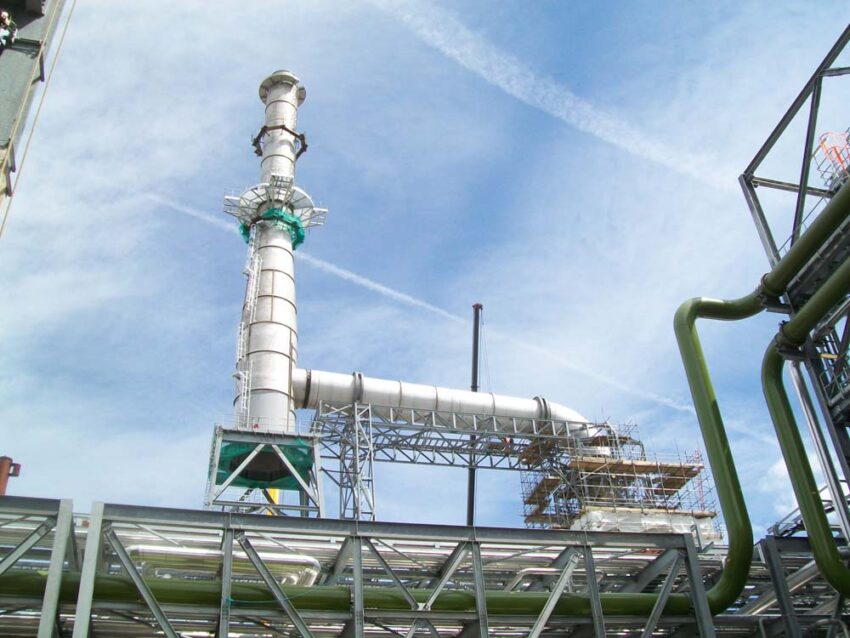
Sustainability has become an important priority across the construction industry as businesses, developers, and building owners look for ways to reduce environmental impact while maintaining high standards of strength and performance. In this changing environment, Structural Steelwork is playing an increasingly valuable role. Steel provides durability, design flexibility, and efficient construction while also offering significant opportunities for material recovery and reuse. As construction projects become more focused on responsible resource management, sustainable steel solutions are becoming an essential part of modern building strategies.
Structural Steelwork and Resource Efficiency
One of the key reasons Structural Steelwork supports sustainable construction is its efficient use of materials. Steel components can be accurately designed and fabricated according to the requirements of a project, helping reduce unnecessary material consumption. Modern fabrication techniques allow manufacturers to produce beams, columns, frames, and other components with precise dimensions, reducing waste during manufacturing and installation. This efficient approach can contribute to more responsible construction practices while maintaining the structural performance required for commercial, industrial, and residential buildings.
Recyclability Creates Long-Term Environmental Benefits
Steel is highly recyclable, which makes it particularly valuable within a circular construction economy. Structural steel components can potentially be recovered from buildings at the end of their service life and processed for use in new steel products. Unlike materials that may become difficult to reuse once removed from a structure, steel can be recycled repeatedly while retaining its fundamental material properties. This helps reduce the demand for new raw materials and supports better resource management across the construction sector. Designing buildings with future recovery and adaptability in mind can further strengthen these environmental benefits.
Durability Reduces Replacement Requirements
Sustainable construction is not only about reducing waste during a building’s initial construction. Long-term durability is equally important. Structural steel is known for its strength and ability to withstand demanding conditions when properly designed, fabricated, protected, and maintained. A durable structural system can provide reliable performance for many years, reducing the need for frequent replacement or major structural intervention. Longer service life can therefore contribute to more efficient use of materials and resources throughout the building’s lifecycle.
Supporting Flexible and Adaptable Buildings
Another important advantage of sustainable Structural Steelwork is its ability to support flexible building designs. Steel frameworks can accommodate open spaces, extensions, modifications, and changes in internal layouts. This adaptability can help buildings remain useful as business requirements, technologies, and occupancy needs change. Instead of demolishing and replacing an entire structure when requirements evolve, owners may be able to modify or extend existing spaces. Extending the useful life of buildings can reduce construction waste and limit the environmental impact associated with new development.
Precision Manufacturing and Reduced Construction Waste
Advancements in steel fabrication technology are also contributing to more sustainable construction. Computer-aided design, automated cutting, advanced welding equipment, and accurate fabrication processes allow steel components to be manufactured with greater precision. Better planning and dimensional accuracy can reduce errors, material waste, and unnecessary adjustments on construction sites. Prefabricated steel components can also support faster installation, helping improve project efficiency and potentially reducing disruption, equipment use, and construction time.
The Role of Responsible Steel Fabricators
Experienced steel fabricators have an important role in delivering sustainable structural solutions. From the early design stage through fabrication and installation, careful planning can help identify opportunities to reduce material usage and improve efficiency. Responsible manufacturers can focus on accurate fabrication, quality control, suitable material selection, and effective project coordination. These practices help ensure that structural components meet required performance standards while supporting broader sustainability objectives.
A Sustainable Direction for Modern Construction
The growing importance of sustainable Structural Steelwork reflects the construction industry’s wider shift toward responsible and efficient building practices. Its recyclability, durability, adaptability, and fabrication efficiency make steel a valuable material for projects seeking long-term performance with reduced resource consumption. As technology continues to advance and environmental considerations become increasingly important, sustainable steel solutions are likely to remain central to the development of efficient, resilient, and future-ready buildings.