
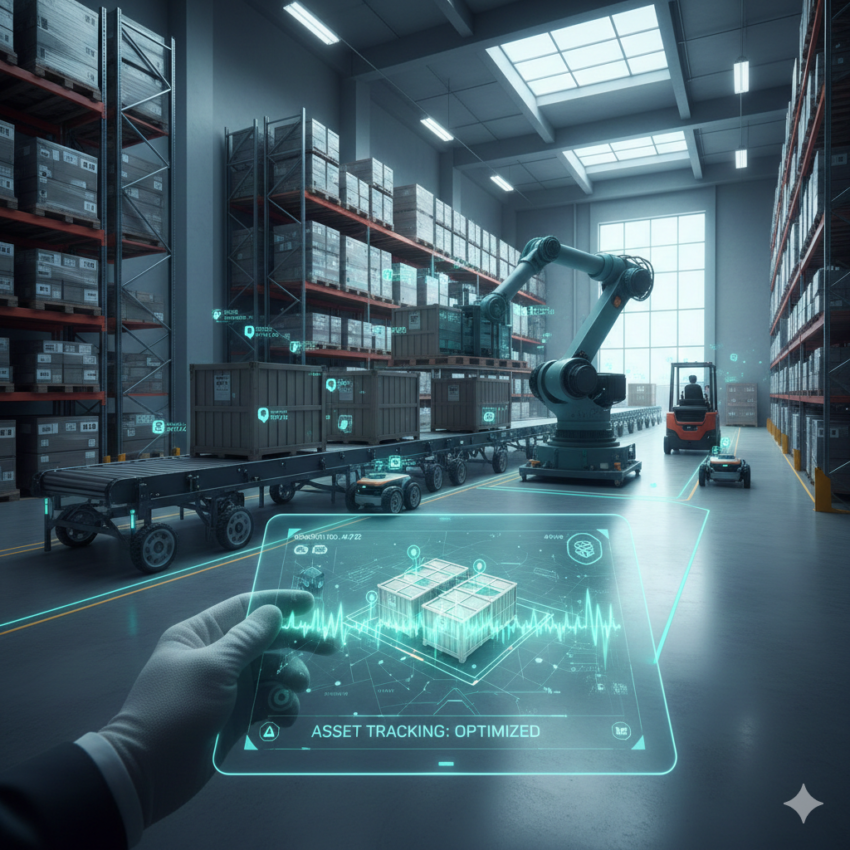
In construction, managing equipment, materials, and tools effectively is critical for maintaining productivity and reducing costs. The nature of the industry, with its fast-paced environment and ever-changing project sites, makes it challenging to track all assets accurately. Yet, poor asset management often leads to inefficiencies, lost items, and increased waste, which can significantly impact both project timelines and budgets.
Construction asset tracking software has become a powerful tool to address these challenges. It allows for the real-time monitoring of all assets on a job site, from heavy machinery to smaller tools. This visibility not only helps businesses maintain efficiency but also ensures that resources are used optimally, and waste is minimized. The following outlines the key benefits of using asset tracking software in construction.
What is Asset Tracking and Why Does it Matter?
Asset tracking refers to the process of monitoring and managing the location, status, and usage of equipment and materials on a construction site. It involves tagging assets with unique identifiers, such as barcodes or RFID tags, which allow project managers and workers to track them throughout the project lifecycle. This can include machinery, vehicles, tools, and even consumables like fuel and materials.
The ability to track assets accurately is critical for:
- Ensuring that equipment is used efficiently
- Maintaining compliance with safety and regulatory standards
- Tracking equipment maintenance schedules
- Reducing the risk of theft or loss
Without an asset tracking system, companies face the risk of losing track of equipment, misplacing tools, or having to deal with unexpected equipment failures due to improper maintenance.
The Role of Construction Asset Tracking Software
Construction asset tracking software helps companies manage their physical assets by using advanced technology, such as GPS tracking, RFID tags, or barcode scanning, to collect data in real-time. The software stores this data in a centralized platform that can be accessed by site managers, equipment operators, and other stakeholders.
The software enables businesses to:
- Track equipment location in real-time
- Schedule and monitor maintenance tasks
- Monitor asset utilization and downtime
- Ensure compliance with safety and regulatory standards
With construction asset tracking software, managing multiple job sites becomes far simpler. Instead of relying on manual logs, workers can instantly access up-to-date information about where specific tools or equipment are located. This centralized tracking system not only improves operational efficiency but also ensures that resources are always available when needed.
Enhancing Efficiency with Real-Time Monitoring
One of the main advantages of construction asset tracking software is real-time monitoring. As construction sites are busy and dynamic, the need to have accurate, up-to-date information on equipment and resources is crucial. Real-time tracking ensures that project managers can monitor:
- Equipment location: Prevents the need for time-consuming searches for misplaced equipment.
- Equipment availability: Ensures that machinery is ready for use when needed, avoiding delays.
- Asset condition: Helps identify when maintenance is required, reducing the risk of costly repairs or breakdowns.
Having access to real-time data on equipment and resources empowers project managers to make decisions more quickly and with greater confidence. This proactive management keeps the project on track, reduces delays, and improves productivity.
Reducing Waste and Unnecessary Costs
Waste is a significant issue in the construction industry, whether it’s wasted materials, tools, or unused equipment sitting idle. Asset tracking software helps companies optimize their equipment and material usage, which in turn reduces waste. By tracking equipment usage and ensuring that assets are being utilized to their full potential, businesses can prevent over-ordering materials or renting more equipment than necessary.
The software also helps businesses track fuel consumption, which is another area where waste can occur. Inefficient equipment operation and poorly managed fuel usage can result in increased operational costs. Construction asset tracking software provides insights into how much fuel is being used, allowing businesses to adjust usage patterns or schedule maintenance to improve fuel efficiency.
Improving Asset Utilization and Reducing Idle Time
Construction equipment is expensive, and it’s critical that assets are being used as much as possible. One of the major benefits of asset tracking software is its ability to track asset utilization, helping companies ensure that equipment is not sitting idle for long periods.
With accurate data on equipment usage, businesses can:
- Reallocate equipment: If a piece of equipment is not being used on one site, it can be moved to another project to maximize its use.
- Schedule regular maintenance: Ensuring that equipment is well-maintained prevents unnecessary breakdowns and keeps machinery operating at optimal capacity.
- Reduce idle time: Tracking the usage and availability of equipment ensures that machines are used efficiently, avoiding downtime and unnecessary waiting.
Improved asset utilization leads to lower costs, fewer delays, and better overall project efficiency. Equipment that is actively used earns its cost back more quickly, improving the overall return on investment for construction companies.
Preventing Theft and Loss
Construction sites are prime targets for theft. The high value of machinery, tools, and materials makes them an easy target for criminals. Without an effective tracking system, it can be difficult to determine when and how assets were stolen.
With construction asset tracking software, equipment and materials are tagged and monitored in real time. If an asset is moved outside the designated job site or removed without authorization, the software sends alerts to project managers, enabling them to respond quickly. This early detection can help prevent significant losses and ensure the security of the site.
Additionally, the software keeps a detailed log of where equipment has been, making it easier to report theft to law enforcement or file insurance claims.
Simplifying Maintenance and Extending Asset Life
Regular maintenance is essential for keeping construction equipment running smoothly and preventing breakdowns. Construction asset tracking software helps schedule and track maintenance tasks automatically, based on usage metrics or time intervals. The system alerts managers when maintenance is due, ensuring that equipment is properly serviced before it fails.
By staying on top of maintenance, construction companies can:
- Extend equipment lifespan: Properly maintained equipment lasts longer, reducing the need for expensive replacements.
- Minimize downtime: Regular maintenance reduces the risk of equipment failure, keeping machines running smoothly and available for use.
- Ensure compliance: Many pieces of equipment require regular inspections to meet safety standards. The software helps ensure compliance by tracking inspection dates and sending alerts for required checks.
Proper maintenance not only reduces the likelihood of breakdowns but also helps companies avoid emergency repairs that are often more costly than regular servicing.
Improving Communication Across Teams
Effective communication is crucial on construction sites where multiple teams and contractors are involved. Asset tracking software enables seamless communication between different departments by providing them with access to real-time data.
For example, site managers can quickly share information about equipment availability and location with team members. Maintenance teams can access data about when a machine was last serviced, while procurement teams can track material usage and reordering needs. This streamlined communication improves coordination and reduces misunderstandings.
With all teams working from the same platform, decisions are more informed, and the likelihood of errors or delays is reduced.
Supporting Data-Driven Decision-Making
Construction asset tracking software provides valuable insights into the performance of assets. With the data collected, project managers can analyze trends in asset usage, maintenance, and costs. These insights allow them to make data-driven decisions to improve operations and optimize costs.
For example, managers may identify a piece of equipment that is consistently underperforming or incurring higher-than-expected maintenance costs. With this data, they can decide whether to replace the asset, repair it, or optimize its use.
By relying on real-time data rather than guesswork or manual records, construction companies can improve decision-making and minimize costly mistakes.
Conclusion
In an industry where time and money are tightly connected, construction companies must find ways to increase efficiency and reduce costs. Construction asset tracking software provides a comprehensive solution that helps businesses track equipment, manage resources, prevent theft, and optimize usage.
By embracing technology, construction companies can gain real-time visibility into asset location, utilization, and condition, leading to better decision-making, fewer delays, and reduced waste. As the industry continues to evolve, the use of asset tracking software will become even more critical in maintaining competitive advantages and driving operational success. The future of construction asset management is digital, and those who adapt will see significant improvements in both efficiency and profitability.