
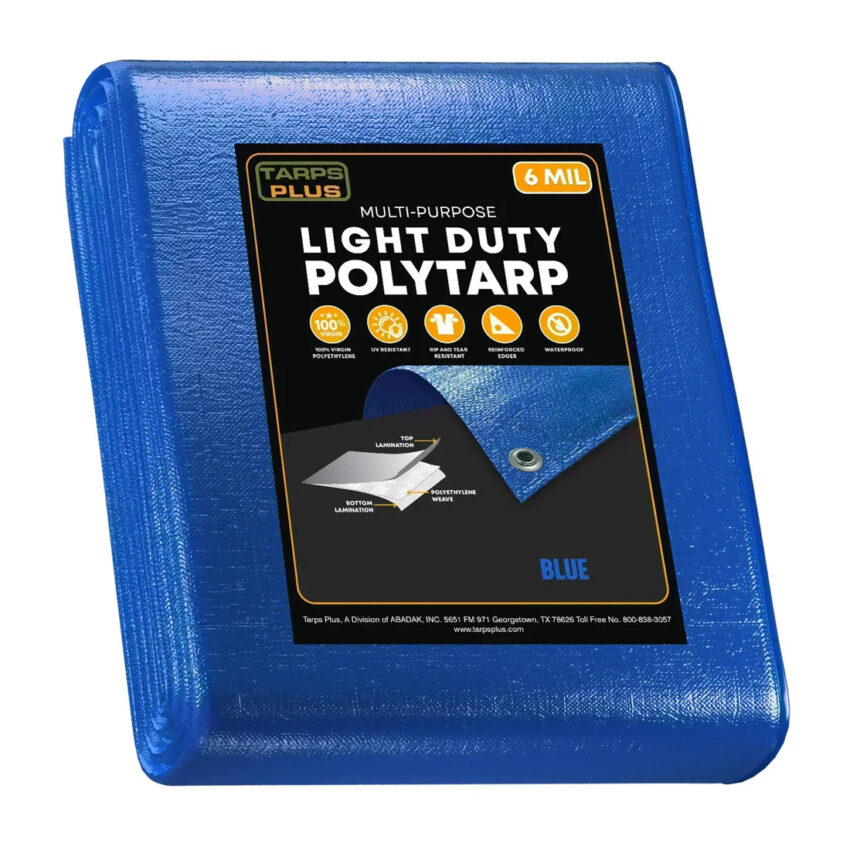
When it comes to protecting your items outdoors or indoors, fabric covers play a big role. Whether you are covering furniture, vehicles, equipment, or other belongings, having a strong and durable cover can make all the difference. One key feature that often gets overlooked is the reinforced edge. This simple design element can greatly improve the strength, longevity, and overall usefulness of fabric covers. In this blog, we will explore why reinforced edges matter and why they should be a priority when choosing fabric covers.
What Are Reinforced Edges?
Reinforced edges are extra-strong borders sewn or attached around the perimeter of a fabric cover. These edges are usually made with additional layers of fabric, stronger stitching, or even special materials like nylon or polyester. The main goal of reinforcement is to prevent tearing, fraying, or stretching at the edges, which are the most vulnerable parts of any fabric cover.
Without reinforced edges, fabric covers can quickly wear out, especially when exposed to strong winds, heavy rain, or frequent handling. Even high-quality fabrics can fail at the edges if they are not reinforced properly.
Why Reinforced Edges Matter
1. Prevents Tearing and Damage
The edges of a fabric cover are under constant stress. They may rub against sharp corners, be pulled tight when securing items, or be exposed to wind and weather. Reinforced edges help prevent tearing and other damage, keeping the cover intact for longer periods. This is especially important for heavy-duty covers used in construction, shipping, or outdoor storage.
2. Improves Durability
A fabric cover with reinforced edges is much more durable than one without. The added strength ensures the cover can withstand regular wear and tear. Even when used frequently, reinforced edges allow the cover to last several years without losing effectiveness. This Durability makes them a smart investment for anyone looking to protect valuable items.
3. Makes Securing Easier
Reinforced edges often include features like grommets, which are metal rings built into the fabric. These make it easier to tie down or secure the cover without causing damage. For example, when using canvas tarps with grommets, the reinforced edges help distribute tension evenly, preventing ripping or stretching. This feature is especially helpful in windy conditions or when covering large items.
4. Enhances Water and Weather Resistance
Fabric covers are often used to protect items from rain, snow, and sun. Reinforced edges help maintain the cover’s shape and prevent water from seeping through the seams. Strong edges reduce the chances of water pooling or wind catching under the cover, which can cause lifting or damage. In this way, reinforced edges improve the overall weather resistance of the cover.
5. Reduces Fraying
Fabric edges naturally wear down and fray over time, especially with frequent use or exposure to wind, rain, and sunlight. Fraying not only makes the cover look worn and untidy but also weakens its overall strength, making it more likely to tear. Reinforced edges prevent this by securing the fabric and keeping it intact, ensuring the cover remains neat, durable, and reliable, even when it is moved, adjusted, or handled frequently.
6. Supports Heavy Loads
If you are covering heavy equipment, tools, or stacked materials, reinforced edges are essential for providing extra support and stability. Normal edges can easily tear or stretch under the weight, risking damage to both the cover and the items underneath. Reinforced edges distribute pressure evenly, allowing the fabric to handle larger, heavier loads safely and last longer under frequent use.
7. Increases Safety
Using a fabric cover with weak edges can be risky. Torn or frayed edges may create tripping hazards or fail to protect the items underneath. Reinforced edges ensure the cover stays in place and performs its job safely.
Types of Reinforcement
There are several ways manufacturers reinforce fabric edges. Some common methods include:
-
Double Stitching: Two lines of stitching add extra strength to the seam.
-
Binding Tape: A strip of strong fabric sewn over the edge for additional support.
-
Nylon or Polyester Webbing: Used for extra heavy-duty covers to prevent tearing.
-
Metal Grommets: Help secure the cover without damaging the edges.
Choosing the right type of reinforcement depends on how and where you plan to use the fabric cover.
Choosing the Right Fabric Cover with Reinforced Edges
When shopping for fabric covers, look for the following features:
-
Strong, durable material suitable for your needs.
-
Well-stitched, reinforced edges with no loose threads.
-
Metal grommets or attachment points if you plan to tie down the cover.
-
Weather-resistant coating to protect against rain and UV damage.
-
Size that fits your items properly, so the edges are not under unnecessary stress.
Taking the time to select a cover with reinforced edges ensures better protection and longer-lasting use.
Conclusion
Reinforced edges may seem like a small detail, but they make a huge difference in the performance and lifespan of fabric tarp covers. From preventing tearing to supporting heavy loads and improving weather resistance, these edges help you get the most out of your covers. Whether you are covering furniture, vehicles, or outdoor equipment, reinforced edges provide strength, Durability, and Safety. For high-quality, durable fabric covers with reinforced edges, trusted providers like Tarps Plus in the USA offer options designed to last and protect your belongings effectively. Choosing reinforced edges is not just about strength—it is about peace of mind knowing your items are safe.