
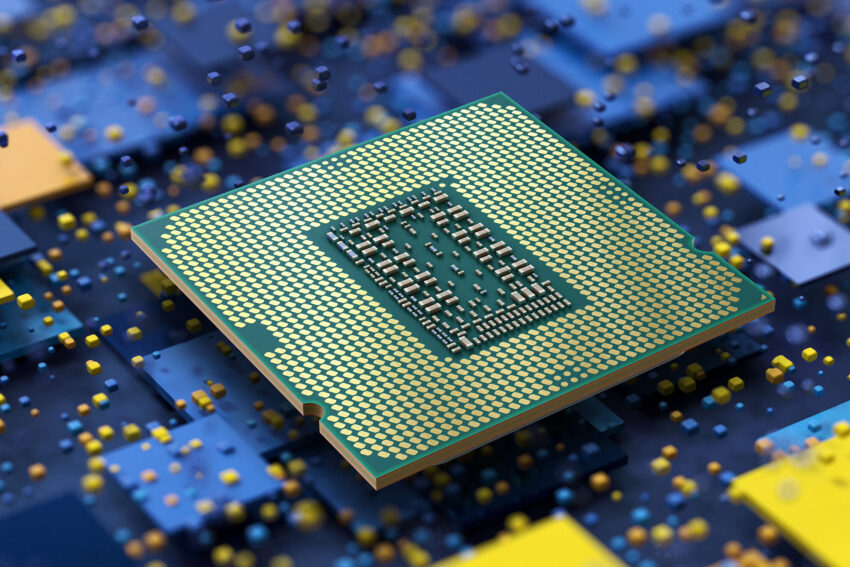
In the world of IT Hardware and Computer Hardware, the Processor stands as the brain behind every digital operation. From personal computers and enterprise servers to cloud data centers and embedded systems, the Processor is responsible for executing instructions, performing calculations, and ensuring seamless system performance. Without it, modern computing as we know it would not exist.
As businesses continue to rely on advanced IT Hardware for data management, security, and automation, the importance of a powerful and efficient Processor becomes even more critical. Whether handling everyday office tasks or managing complex artificial intelligence workloads, the Processor plays a central role in defining a system’s capabilities.
Understanding the Role of a Processor in Computer Hardware
A Processor, often referred to as the Central Processing Unit (CPU), is the primary component of Computer Hardware that interprets and executes instructions from software applications. It performs arithmetic operations, logic comparisons, data transfers, and control functions that allow systems to operate smoothly.
Every time you open a program, browse the web, or run enterprise software, the Processor processes millions—sometimes billions—of instructions per second. This speed is measured in gigahertz (GHz), which reflects how many cycles the Processor can complete each second. Higher clock speeds generally indicate better performance, but architecture and core count also play a crucial role.
Within IT Hardware infrastructures, Processors are integrated into desktops, laptops, servers, storage systems, and networking equipment. Their design and performance directly impact productivity, response time, and system reliability.
Core Components of a Modern Processor
A modern Processor is composed of several critical components that work together to execute instructions efficiently.
First is the Control Unit, which directs operations within the CPU. It tells the computer’s memory, arithmetic logic unit, and input/output devices how to respond to program instructions.
Second is the Arithmetic Logic Unit (ALU), responsible for performing mathematical calculations and logical comparisons. This component handles tasks such as addition, subtraction, AND/OR operations, and data evaluation.
Another key element is cache memory. Cache is a small, high-speed memory storage located within or near the Processor. It temporarily stores frequently used instructions and data to reduce latency and improve performance. Levels of cache—L1, L2, and L3—vary in size and speed.
Modern Computer Hardware also features multi-core Processors. Instead of a single processing unit, these chips contain multiple cores that can handle tasks simultaneously. This design enhances multitasking capabilities and allows IT Hardware systems to manage demanding workloads efficiently.
Types of Processors in IT Hardware
Different types of Processors serve different purposes within IT Hardware ecosystems.
Desktop Processors are designed for personal computing tasks such as document editing, web browsing, gaming, and content creation. They balance performance and energy efficiency.
Server Processors, on the other hand, are built for enterprise environments. These Processors handle virtualization, database management, and cloud computing tasks. They support larger memory capacities and offer enhanced reliability features.
Mobile Processors are optimized for smartphones, tablets, and lightweight laptops. Energy efficiency is a primary focus, as battery life is crucial in mobile devices.
Embedded Processors are found in specialized systems such as industrial machines, medical devices, and IoT equipment. These chips are designed for specific functions and often operate under strict environmental conditions.
In every segment of Computer Hardware, selecting the right Processor ensures optimal system performance and long-term reliability.
Processor Architecture and Performance
Processor architecture refers to the design and structure of a chip. It determines how instructions are processed, how memory is accessed, and how data flows within the system.
Modern IT Hardware systems use advanced architectures that support parallel processing, hyper-threading, and virtualization. Parallel processing allows multiple cores to work on different tasks simultaneously. Hyper-threading enables each core to handle more than one thread at a time, increasing efficiency.
Performance is influenced by several factors:
Clock Speed: Measured in GHz, it indicates how many cycles a Processor can execute per second.
Core Count: More cores mean better multitasking capabilities.
Thread Count: Threads allow cores to handle multiple instruction sequences.
Cache Size: Larger cache memory reduces the need to access slower main memory.
In enterprise IT Hardware environments, balancing these factors ensures optimal performance for business-critical applications.
The Evolution of Processor Technology
Processor technology has evolved dramatically over the past few decades. Early CPUs were single-core and operated at modest speeds. Today’s Processors are incredibly complex, featuring billions of transistors on a single chip.
Advancements in semiconductor manufacturing have allowed chipmakers to reduce transistor size while increasing density. Smaller transistors enable faster processing speeds and lower power consumption. This innovation has significantly enhanced the capabilities of modern Computer Hardware systems.
Another major development is the integration of graphics processing units (GPUs) into Processors. Integrated graphics eliminate the need for separate graphics cards in many systems, making IT Hardware more compact and energy-efficient.
Artificial intelligence and machine learning have also influenced Processor design. Modern chips now include specialized cores dedicated to AI workloads, enabling faster data analysis and automation.
Choosing the Right Processor for Your Needs
Selecting the appropriate Processor depends on the intended use of the system. For everyday office tasks, a mid-range Processor with moderate clock speed and multiple cores is usually sufficient.
For gaming and content creation, higher clock speeds and increased core counts are essential. These workloads demand significant computational power and benefit from advanced multi-threading capabilities.
In enterprise IT Hardware environments, server-grade Processors are critical. They offer support for error-correcting memory (ECC), multiple CPU sockets, and advanced security features. Businesses relying on large databases, virtualization, or cloud platforms must invest in high-performance Processors to ensure operational efficiency.
Energy consumption is another factor to consider. Efficient Processors reduce electricity costs and generate less heat, improving overall system stability.
The Processor’s Impact on IT Infrastructure
The Processor is not just a component of Computer Hardware; it is the driving force behind modern IT infrastructure. Data centers rely on powerful Processors to manage cloud computing, cybersecurity operations, and big data analytics.
In virtualized environments, a single physical server can host multiple virtual machines. This capability depends heavily on Processor performance and virtualization support features.
Additionally, Processors play a crucial role in cybersecurity. Encryption and decryption tasks require significant computational power. A high-performance Processor ensures secure data transmission without compromising speed.
As organizations adopt edge computing and distributed systems, the demand for specialized Processors continues to grow. These chips must deliver real-time processing capabilities while maintaining reliability.
Future Trends in Processor Development
The future of Processor technology is shaped by innovation and increasing computational demands. Quantum computing research is pushing the boundaries of traditional silicon-based Processors. Although still in early stages, quantum Processors promise unprecedented processing power.
Another trend is the development of energy-efficient architectures tailored for sustainable IT Hardware solutions. As environmental concerns rise, manufacturers are focusing on reducing power consumption without sacrificing performance.
Artificial intelligence integration will continue to expand. Future Processors will likely include more dedicated AI cores, enhancing automation, predictive analytics, and smart applications.
Chiplet design is another emerging concept. Instead of manufacturing a single large chip, manufacturers assemble multiple smaller chips into one package. This approach improves scalability and production efficiency.
These advancements will redefine the capabilities of Computer Hardware and further strengthen the role of the Processor in digital transformation.
Conclusion
The Processor remains the cornerstone of IT Hardware and Computer Hardware systems. It executes instructions, manages data flow, and determines overall system performance. From personal devices to enterprise data centers, every computing environment depends on a reliable and efficient Processor.
As technology evolves, Processors continue to become more powerful, energy-efficient, and intelligent. Businesses and individuals alike must understand the importance of selecting the right Processor to meet their needs. By investing in advanced processing technology, organizations can enhance productivity, strengthen security, and prepare for the future of digital innovation.
In an era defined by rapid technological growth, the Processor stands as the engine driving progress across every sector of IT Hardware.