

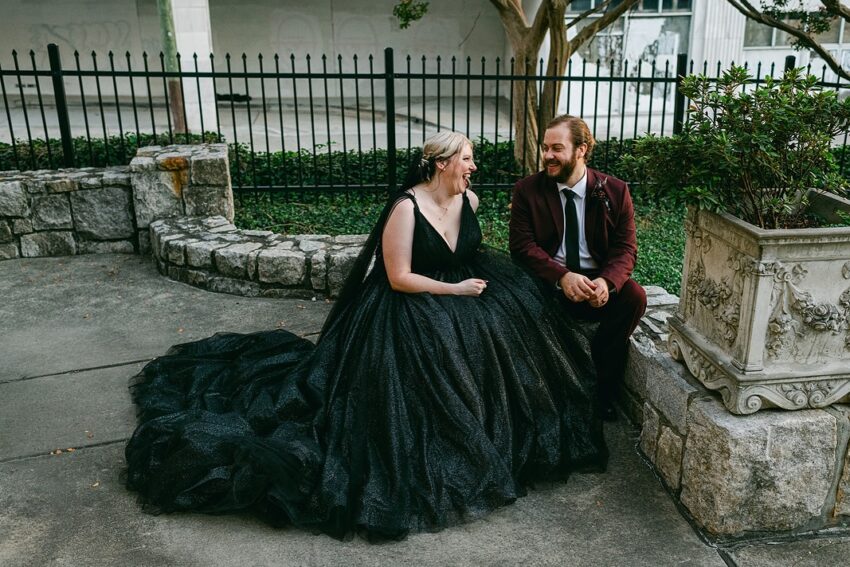
Most conversations about wedding dresses begin with appearance, yet the lasting impact of a gown usually comes from choices that are never captured on camera. Before fabric is discussed or silhouettes are imagined, decisions are made about weight, balance, and how a body moves through long hours. These decisions shape how a bride experiences the day more than surface design ever could. A custom-made wedding dress process is not defined by spectacle, but by the removal of discomfort and distraction. When those elements are handled early, the dress becomes something worn without thought. What remains is the experience itself. This article will guide you through how quiet, early decisions shape gowns that feel personal rather than performative.
Where the process actually begins
The earliest stage rarely involves sketches, but it also does not ignore measurements. Measurements provide accuracy, yet they do not explain how a body carries weight, holds tension, or moves over time. This stage begins with listening and observation, where designers focus on posture, natural movement, and how the body behaves when not consciously adjusting itself. These observations guide how measurements are interpreted rather than replacing them. In a custom bridal dress created for long wear, the goal is not transformation but alignment. Numbers establish scale, while observation reveals balance. When the starting point reflects the person rather than a rigid concept, later decisions feel clearer, often determining whether a gown feels supportive across hours or slowly becomes something the wearer must manage.
Proportion as the unseen structure
Proportion controls comfort long before decoration adds meaning. While measurements record size, proportion determines how weight and structure are distributed across the body. Waist placement, shoulder balance, and skirt volume influence fatigue and posture more than fabric choice alone. When proportion is slightly off, the body compensates unconsciously, which is why discomfort often appears gradually rather than immediately. Experienced custom wedding dress designers who quietly adjust structure focus on balance rather than drama. These adjustments are functional corrections, not aesthetic shortcuts. When proportion is resolved early, embellishment becomes optional rather than necessary, allowing brides to describe the gown as steady because the structure is working quietly beneath the surface.
Fabric as a functional choice
Fabric is often discussed emotionally, but its role is physical. Weight determines how a dress behaves across time, breathability affects focus and comfort, and flexibility influences how the body relaxes. Measurements alone cannot account for how fabric behaves once the body begins to move. When fabric is chosen without considering these factors, tension builds gradually throughout the day. Thoughtful processes prioritize how material responds to sitting, standing, and walking over long periods. In many bespoke bridal gowns, fabric selection is guided by movement first, ensuring that visual impact is supported by function, reducing fatigue and allowing the gown to support rather than resist the wearer.
Designing for motion, not stillness
Stillness hides problems that movement reveals. Walking, turning, and sitting place different demands on structure and seams. Designers who observe these moments early reduce later discomfort. This attention is not about performance, but about longevity. A gown that holds its shape while allowing freedom becomes easier to forget. That absence of awareness is often the result of careful adjustment, not luck. Movement-focused design keeps the dress consistent throughout the day, preventing it from feeling heavier as the day goes on.
The strength of restraint
Personal gowns are often defined by what is left out. Additional layers, excessive structure, or heavy detailing can overpower both the body and the experience. Restraint allows the wearer to remain central. When design choices are edited carefully, the result feels intentional rather than unfinished. This restraint creates space for memory. Instead of recalling the effort required to wear the dress, brides remember how present they felt. That presence is rarely accidental. It comes from decisions made quietly and early.
Conclusion
After the wedding, memories of the gown often center on comfort rather than detail. Brides remember how easily they moved through the day and how little attention the dress demanded once events began. These impressions come from decisions made long before delivery. When those choices align, the gown fades into the background, allowing the experience itself to stay in focus.
Studios that work this way tend to value process over display. At Brides & Tailor, attention is placed on proportion, fabric behavior, and movement rather than excess design. By working with restraint, Brides & Tailor creates gowns that quietly support the day, leaving space for the wearer to remain present from beginning to end.
FAQs
What makes a custom gown feel personal beyond design?
Comfort and balance shape personal experience more than visual detail. When a gown supports natural movement and posture, it feels aligned with the wearer rather than imposed on them.
Why do some dresses feel heavier over time?
Weight distribution and structure influence fatigue. When the proportion or fabric choice is slightly off, the body compensates, and the difference becomes noticeable over time.
Are simpler gowns always easier to wear?
Not always. Simplicity works when the underlying structure is resolved. Without proper balance, even minimal designs can create tension over time.