
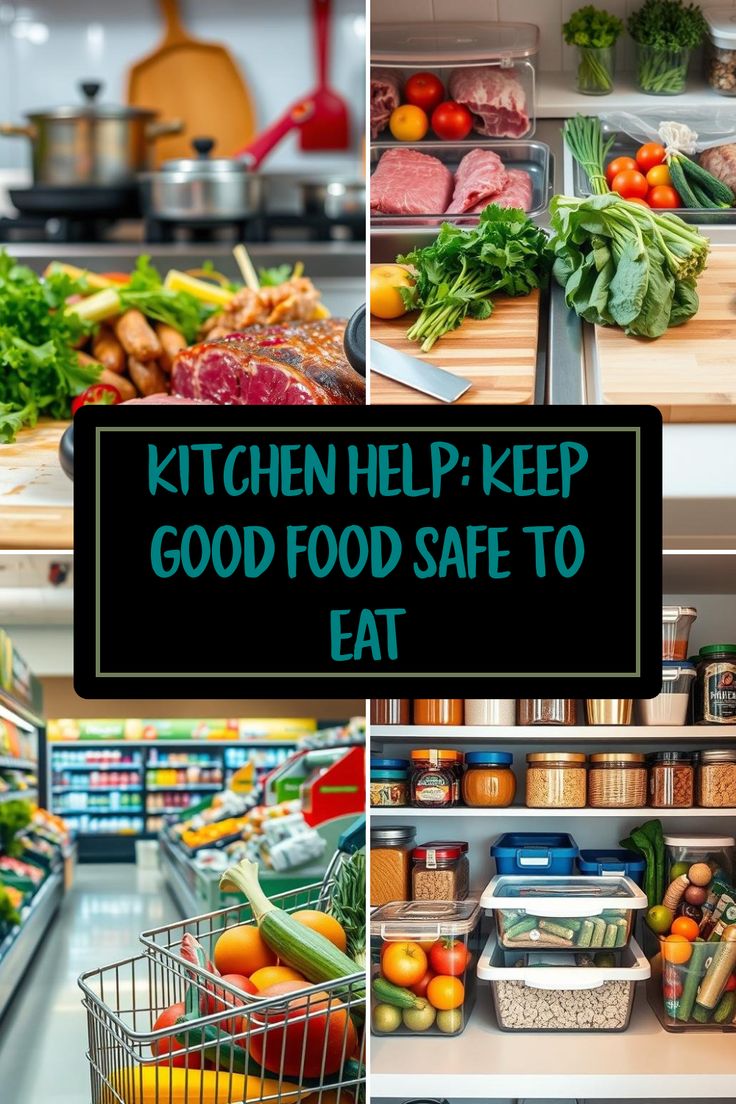
However, many people overlook the small details that keep a kitchen truly safe. Staying informed about recent industry alerts, like the king cheesecake recall, is a vital part of being a responsible home chef.
Sometimes, even the most popular brands face issues with contamination or labeling. When these things happen, you need to be ready to check your pantry immediately.
Food safety isn’t just about washing your hands before you eat. It involves a deep understanding of how bacteria travels through surfaces and air.
Everything starts with awareness. If you don’t know the risks, you can’t really protect yourself from the invisible threats in your fridge.
Recognizing Food Safety Risks and the King Cheesecake Recall
We often assume that if a product is on the shelf, it must be perfectly safe. Most of the time, this is true, but mistakes happen in large-scale production.
Why the King Cheesecake Recall Matters for Consumers
When a specific notice like the king cheesecake recall is issued, it usually points to a breakdown in the quality control process.
It might be a simple undeclared allergen or something more serious like Listeria. Ignoring these alerts can lead to severe health complications.
Always keep a close eye on the news or official FDA websites. This ensures you aren’t serving something dangerous to your guests during dinner.
I remember once I forgot to check a lettuce alert and felt lucky I didn’t get sick. It happens to the best of us, but we gotta be careful.
Most recalls are voluntary, meaning the company is trying to do the right thing. They want to protect their reputation and your well-being at the same time.
Essential Habits for a Bacteria-Free Kitchen
Keeping a clean kitchen is a constant battle against microscopic bugs. You might think your counters are clean, but they often hide tiny colonies of germs.
Using the right cleaning agents is key. Not all soaps are created equal when it comes to killing tough pathogens on granite or wood.
Temperature Control and Food Safety Habits
One of the biggest mistakes is leaving leftovers on the counter for too long. Bacteria love the “Danger Zone” between 40°F and 140°F.
Always refrigerate cooked food within two hours. If the weather is hot, make that one hour to be extra safe from spoilage.
Your fridge temperature should always be set at or below 40°F. Use a secondary thermometer to make sure the built-in dial is actually accurate.
Frozen foods need to stay at 0°F to stop all bacterial growth. This doesn’t kill the bacteria, but it puts them into a deep sleep.
Thawing meat on the counter is a huge “no-no” in the culinary world. Always thaw in the fridge or under cold running water to stay safe.
Understanding Cross-Contamination in Home Cooking
Cross-contamination is how germs jump from one place to another. This usually happens when you use the same cutting board for chicken and veggies.
Designate specific boards for different food groups. Use a red board for raw meats and a green one for your fresh produce.
Wash your hands for at least 20 seconds with warm soapy water. It sounds like a long time, but it’s the only way to be sure.
Don’t forget about your kitchen sponges, either. They are often the dirtiest items in the whole house if they aren’t replaced weekly.
I usually just throw my sponge in the dishwasher every other day. It seems to help, though replacing them is probably better in the long run.
Modern Storage Solutions for Freshness
The way you store your food can extend its life by several days. Glass containers are generally better than plastic for long-term storage and reheating.
Vacuum sealing is another great way to prevent freezer burn. It keeps the air out and the moisture in, so your steaks stay delicious.
Label everything with the date you bought it or cooked it. “When in doubt, throw it out” is the golden rule of the kitchen.
Organization helps you see what you have so nothing rots in the back. A clean fridge is a safe fridge, and it saves you money on groceries.
Step 3: Key Safety Checklist (Table Data)
-
Hand Washing: Minimum 20 seconds with soap and warm water.
-
Cutting Boards: Separate boards for raw protein and ready-to-eat foods.
-
Refrigerator Temp: Maintain a steady 40°F (4°C) or lower.
-
Leftovers: Consume or freeze within 3 to 4 days of cooking.
-
Recalls: Check official databases weekly for updates on processed goods.