
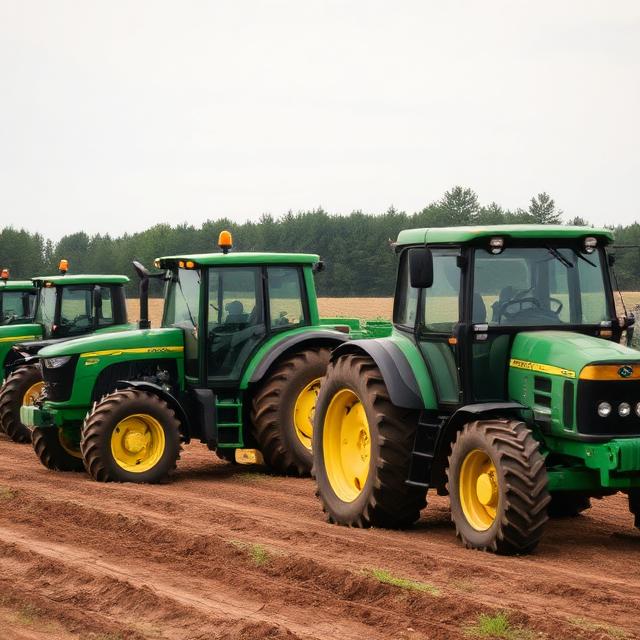
British agriculture is an industry defined by its resilience, but it is also one of the most energy-intensive sectors in the UK economy. From the heavy-duty demands of the harvest season to the constant requirement for climate-controlled livestock environments, fuel is the lifeblood of the farm.
Navigating the complexities of UK farming fuel requires more than just a passing knowledge of prices. It requires a strategic partnership with an agricultural oil supplier that understands the seasonal pressures, regulatory shifts, and technical demands of modern machinery.
1. The Strategic Role of Agricultural Oil Suppliers
In the past, fuel was viewed as a simple commodity. Today, the role of agricultural oil suppliers has evolved into that of a technical partner. A high-quality supplier doesn’t just drop off a tanker of gas oil; they provide fuel analysis, help monitor tank levels, and advise on the best farm fuel additives to keep a fleet running during the high-pressure windows of the farming calendar.
When choosing between various agricultural oil suppliers, farms must prioritize:
-
Reliability: Can they deliver within 24–48 hours during the peak of harvest?
-
Quality Assurance: Is the fuel stored and transported in a way that prevents contamination?
-
Expertise: Do they understand the difference between motive power and industrial heating oil requirements?
2. Navigating Agricultural Fuel Oils in the UK: Red Diesel and Beyond
The primary fuel for most off-road machinery remains Red Diesel (Gas Oil). However, since the 2022 tax changes, the landscape of agricultural fuel oils in the UK has become more rigid. Only specific sectors—including agriculture, horticulture, and forestry—retain the right to use rebated fuel.
Working with a knowledgeable farm fuel supplier ensures that your business remains compliant with HMRC “Duty of Care” requirements. Misusing rebated fuel for non-agricultural tasks can lead to heavy fines, making the paper trail provided by your supplier as important as the fuel itself.
3. The Logistics of Farm Fuel Delivery
Farms are rarely located near major motorways. They are often tucked behind narrow lanes, over old stone bridges, and down unpaved tracks. A specialist farm fuel delivery service utilizes a fleet of “Baby Tankers” or four-wheel-drive delivery vehicles to ensure that even the most remote storage tanks are accessible.
Effective delivery isn’t just about the truck; it’s about the driver. Experienced drivers understand the layout of farmyards and the importance of avoiding spills near watercourses, which can lead to catastrophic environmental fines for the landowner.
4. Maximizing Machinery Life with Farm Fuel Additives
Modern tractors are equipped with sensitive fuel injection systems and exhaust after-treatment technology (like DPF and SCR). Standard gas oil, while functional, often contains a percentage of FAME (Fatty Acid Methyl Ester) or “biodiesel,” which can attract water.
To combat this, many agricultural oil suppliers now offer pre-blended fuels or separate farm fuel additives. These chemicals serve several purposes:
-
Anti-Gelling: Preventing fuel from waxing in sub-zero winter temperatures.
-
Cleaning: Keeping fuel injectors free of carbon deposits.
-
Preservation: Preventing the growth of “diesel bug” (bacteria) in tanks that may sit idle over the winter.
5. Industrial Heating Oil for Grain Drying and Livestock
While motive power gets the most attention, heating is a massive overhead for many UK farms. Industrial heating oil (IHO) is a popular choice for grain dryers, steam boilers, and large-scale poultry or pig units.
IHO is often more stable and cost-effective than standard gas oil for heating-only applications. By segregating your heating needs from your machinery needs, you can often negotiate better bulk rates with your agricultural oil supplier, as the requirements for heating oil are less stringent than those for high-performance tractor fuel.
6. The Farmstead: Choosing Domestic Oil Suppliers
For many farmers, the business and the home are inextricably linked. Because most rural farmhouses are off the main gas grid, they rely on domestic heating oil (Kerosene).
Choosing domestic oil suppliers who also handle your agricultural needs creates a powerful synergy. Many domestic oil suppliers offer “split-drop” deliveries, where they fill the agricultural tanks and the domestic tank in a single visit, reducing delivery fees and the carbon footprint of the fuel logistics.
7. Managing Costs: Domestic Heating Oil Pricing
The price of domestic heating oil is notoriously volatile, influenced by global crude prices and seasonal demand. To manage this, smart farmers often use “top-up” schemes provided by their agricultural oil suppliers. These schemes use remote telemetry to monitor tank levels, allowing the supplier to deliver when prices are lower or when a tanker is already in the neighborhood, passing the logistical savings on to the farmer.
8. Storage Integrity and Environmental Safety
Your fuel is an asset, and like any asset, it must be protected. The UK has strict regulations regarding the storage of UK farming fuel. Tanks must be bunded (double-skinned) to ensure that a leak in the primary tank is caught by the outer shell.
A reputable agricultural oil supplier will often perform a “tank health check” during a delivery. If they spot signs of corrosion, bulging, or water contamination, they can advise on a replacement before a spill occurs. Remember, the cost of a new tank is a fraction of the cost of an environmental cleanup operation.
9. Diversifying with Renewable Fuels (HVO)
As the UK pushes toward a greener economy, many agricultural oil suppliers are beginning to offer HVO (Hydrotreated Vegetable Oil). HVO is a premium, renewable paraffinic diesel that can be used as a direct replacement for standard diesel.
-
Reduced Emissions: Up to 90% reduction in net CO2.
-
Better Storage: HVO does not attract water or suffer from “diesel bug,” making it ideal for machinery that is used seasonally.
-
Cost: While currently more expensive, the long-term benefits in machinery maintenance and “green” certification for produce may outweigh the initial price tag.
10. Conclusion: Securing Your Farm’s Energy Future
In the modern agricultural climate, fuel is more than just a line item on a balance sheet; it is a critical component of operational success. By aligning your business with the right agricultural oil suppliers, utilizing the correct farm fuel additives, and maintaining a clear strategy for both industrial heating oil and domestic heating oil, you can protect your machinery and your margins.
The relationship between a farm and its farm fuel supplier should be built on transparency, reliability, and technical support. As the industry moves toward more sustainable fuels and stricter regulations, having a partner who understands the unique pulse of British farming will ensure your gates stay open and your engines stay running for generations to come.