
Introduction
The oil and gas industry operates in some of the most challenging and high-risk environments in the world. From offshore rigs to vast pipeline networks, maintaining infrastructure integrity is critical for safety, environmental protection, and operational efficiency. Traditional inspection methods, while effective, often involve significant risks, high costs, and time-consuming processes.
In recent years, Oil & Gas Thermal Drone Inspection has emerged as a revolutionary solution that addresses many of these challenges. By combining advanced drone technology with thermal imaging, companies can now monitor assets more accurately, safely, and efficiently than ever before.
Businesses like Gulfnet are leveraging this cutting-edge technology to transform inspection practices across the oil and gas sector. This article explores the benefits, applications, and future trends of Oil & Gas Thermal Drone Inspection, providing a comprehensive understanding of why it has become an essential tool in modern industrial operations.
What is Oil & Gas Thermal Drone Inspection?
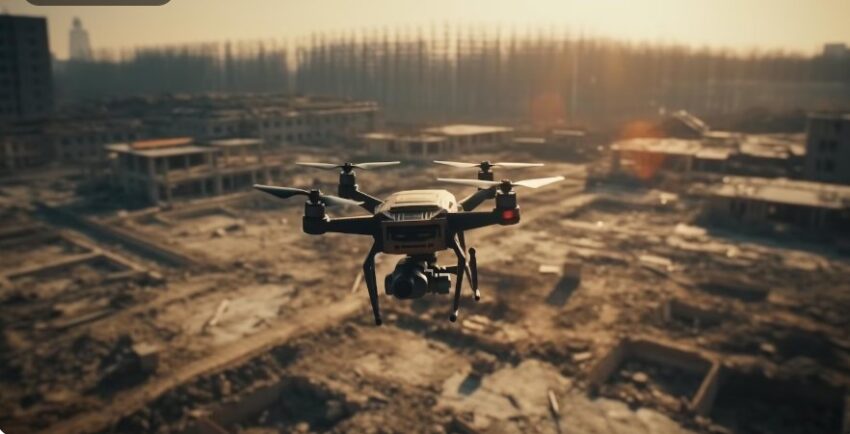
Oil & Gas Thermal Drone Inspection refers to the use of unmanned aerial vehicles (UAVs) equipped with thermal imaging cameras to inspect infrastructure such as pipelines, refineries, storage tanks, and offshore platforms.
Thermal cameras detect heat variations and convert them into visual data, allowing operators to identify issues that may not be visible to the naked eye. These include:
- Gas leaks
- Equipment overheating
- Insulation failures
- Structural weaknesses
By capturing real-time data from hard-to-reach or hazardous areas, drones significantly enhance inspection capabilities while minimizing human exposure to danger.
Importance of Inspection in the Oil & Gas Industry
Regular inspection is critical in oil and gas operations for several reasons:
1. Safety Compliance
The industry is governed by strict safety regulations. Inspections ensure that facilities comply with safety standards and prevent accidents.
2. Environmental Protection
Leaks and failures can lead to severe environmental damage. Early detection through thermal drone inspection helps prevent such incidents.
3. Operational Efficiency
Identifying issues early reduces downtime and prevents costly repairs.
4. Asset Longevity
Routine monitoring helps extend the life of infrastructure by addressing wear and tear proactively.
Traditional inspection methods, such as manual checks or helicopter surveys, often fall short in terms of efficiency and safety—making drone technology a superior alternative.
Key Benefits of Oil & Gas Thermal Drone Inspection
1. Enhanced Safety
One of the biggest advantages of Oil & Gas Thermal Drone Inspection is improved safety. Inspectors no longer need to climb tall structures, enter confined spaces, or work in hazardous environments.
Drones can easily access dangerous areas, reducing the risk of accidents and injuries.
2. Cost Efficiency
Traditional inspection methods can be expensive due to:
- Labor costs
- Equipment requirements
- Operational downtime
Thermal drone inspections significantly reduce these costs by streamlining the process and minimizing the need for large inspection teams.
3. Faster Inspections
Drones can cover large areas in a fraction of the time required by manual inspections. This speed allows companies to:
- Conduct more frequent inspections
- Respond quickly to potential issues
- Minimize downtime
4. Accurate Data Collection
Thermal imaging provides highly accurate data by detecting temperature differences. This enables precise identification of:
- Leaks
- Corrosion
- Electrical faults
High-resolution imagery and real-time analytics improve decision-making.
5. Accessibility to Remote Areas
Oil and gas infrastructure is often located in remote or difficult-to-access locations. Drones can easily reach these areas without the need for complex logistics.
6. Reduced Environmental Impact
By detecting leaks early, thermal drone inspections help prevent environmental damage. Additionally, drones consume less fuel compared to helicopters, making them a more eco-friendly option.
Applications of Thermal Drone Inspection in Oil & Gas
1. Pipeline Inspection
Pipelines are critical components of oil and gas operations. Thermal drones help detect:
- Leaks
- Temperature anomalies
- Structural weaknesses
Regular inspections ensure pipeline integrity and prevent costly failures.
2. Refinery Monitoring
Refineries consist of complex systems with numerous components. Thermal drone inspection helps identify overheating equipment, ensuring smooth operations and preventing breakdowns.
3. Storage Tank Inspection
Storage tanks can develop issues such as:
- Corrosion
- Leakage
- Insulation problems
Thermal drones can detect temperature differences that indicate potential faults.
4. Offshore Platform Inspection
Inspecting offshore platforms is challenging due to harsh conditions. Drones provide a safer and more efficient way to monitor:
- Structural integrity
- Equipment performance
- Heat signatures
5. Gas Leak Detection
Thermal imaging is particularly effective in detecting gas leaks, which are often invisible. Early detection prevents accidents and reduces environmental impact.
6. Electrical System Inspection
Thermal drones can identify overheating electrical components, helping prevent fires and system failures.
How Gulfnet is Leveraging Thermal Drone Inspection
Gulfnet is at the forefront of adopting advanced technologies in the oil and gas sector. By integrating Oil & Gas Thermal Drone Inspection into its services, Gulfnet offers:
- High-precision inspections
- Real-time data analysis
- Improved safety protocols
- Cost-effective solutions
Their approach combines cutting-edge drone technology with industry expertise, ensuring reliable and efficient inspection services for clients.
Challenges in Thermal Drone Inspection
While the benefits are significant, there are some challenges associated with Oil & Gas Thermal Drone Inspection:
1. Regulatory Compliance
Drone operations are subject to regulations that vary by region. Companies must ensure compliance with aviation authorities.
2. Weather Conditions
Adverse weather, such as strong winds or rain, can affect drone performance and data accuracy.
3. Data Management
Thermal inspections generate large amounts of data, requiring advanced tools for analysis and storage.
4. Skilled Operators
Operating drones and interpreting thermal data requires specialized training and expertise.
Technological Advancements Driving the Industry
The growth of Oil & Gas Thermal Drone Inspection is fueled by rapid technological advancements:
1. AI and Machine Learning
Artificial intelligence helps analyze thermal data more efficiently, identifying patterns and anomalies.
2. High-Resolution Cameras
Modern thermal cameras provide clearer and more detailed images, improving inspection accuracy.
3. Automation
Autonomous drones can perform inspections with minimal human intervention, increasing efficiency.
4. Cloud Integration
Cloud-based platforms enable real-time data sharing and remote monitoring.
Future Trends in Oil & Gas Thermal Drone Inspection
1. Increased Adoption
As technology becomes more accessible, more companies are adopting thermal drone inspections as a standard practice.
2. Integration with IoT
Combining drones with IoT devices allows continuous monitoring of assets, providing real-time insights.
3. Predictive Maintenance
Advanced analytics will enable predictive maintenance, helping companies address issues before they occur.
4. Enhanced Safety Standards
Thermal drone inspections will play a key role in improving safety standards across the industry.
5. Expansion of Use Cases
The application of thermal drones will continue to expand, covering new areas such as environmental monitoring and emergency response.
Best Practices for Implementing Thermal Drone Inspection
To maximize the benefits of Oil & Gas Thermal Drone Inspection, companies should follow these best practices:
- Invest in high-quality drone equipment
- Train operators thoroughly
- Ensure regulatory compliance
- Use advanced data analysis tools
- Conduct regular inspections
Why Oil & Gas Thermal Drone Inspection is a Game Changer
The adoption of thermal drone technology marks a significant shift in how inspections are conducted in the oil and gas industry. Compared to traditional methods, it offers:
- Greater efficiency
- Improved safety
- Better data accuracy
- Lower operational costs
Companies that embrace this technology gain a competitive edge while ensuring safer and more sustainable operations.
Conclusion
Oil & Gas Thermal Drone Inspection is revolutionizing the way the industry approaches asset monitoring and maintenance. By combining aerial mobility with advanced thermal imaging, this technology provides unparalleled insights into infrastructure health.
From enhancing safety and reducing costs to improving efficiency and environmental protection, the benefits are undeniable. As innovations continue to shape the future, thermal drone inspections will become an integral part of oil and gas operations worldwide.
With forward-thinking companies like Gulfnet leading the way, the industry is set to achieve new levels of performance, reliability, and sustainability.
Embracing Oil & Gas Thermal Drone Inspection today is not just a technological upgrade—it is a strategic investment in the future of the energy sector.