
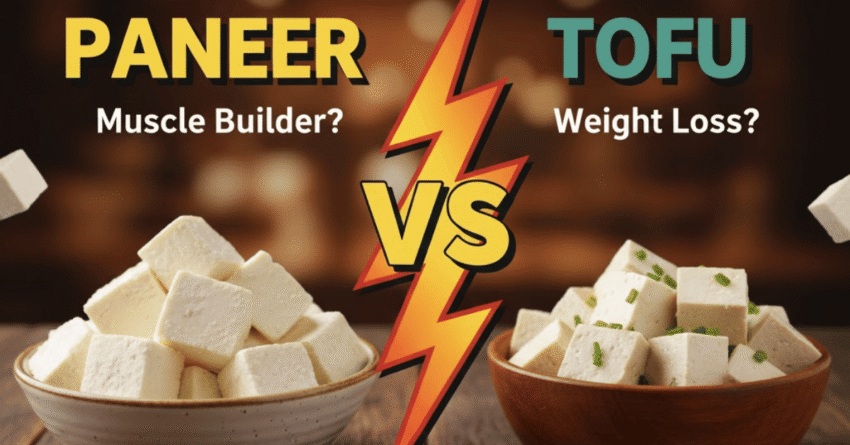
Tofu vs paneer is a common debate among vegetarians in India who want to make smart choices for their daily meals. Both are popular protein sources that fit well into our desi cooking—paneer in rich gravies and tofu as a lighter alternative in stir-fries or curries.
Paneer comes from milk and has that soft, crumbly texture we love in palak paneer or paneer tikka. Tofu, made from soybeans, is more neutral in taste and soaks up spices easily, making it great for those trying new recipes.
This comparison looks at their nutrition side by side, keeping Indian diets and lifestyles in mind. Whether you’re watching your weight, building muscle, or just eating balanced meals, understanding these differences helps you pick what suits your family best.
What Makes Tofu and Paneer Special in Indian Kitchens
Paneer is a fresh cheese made by curdling milk with lemon or vinegar, then pressing it into blocks. It’s a staple in North Indian homes, used in everything from matar paneer to kadai paneer. Tofu starts with soy milk that’s coagulated and pressed, giving a spongy texture that’s perfect for marinating with Indian masalas.
Both work well as meat substitutes for vegetarians. Paneer feels richer and more indulgent, while tofu is lighter and versatile. In India, where many rely on dairy but some prefer plant-based options, tofu vs paneer often comes down to taste, availability, and health needs.
If you love paneer dishes, you might also enjoy soya chunks curry, rajma, or chana masala for similar protein boosts. Tofu fits into recipes like tofu bhurji or achari tofu, blending seamlessly with our spices.
Nutrition Comparison: Per 100 Grams Serving
Here’s a simple breakdown of key nutrients in tofu and paneer. These values are averages—paneer can vary based on full-fat or low-fat milk, and tofu, depending on soft or firm type.
|
Nutrient |
Paneer (full-fat) |
Tofu (firm) |
|
Calories |
265-320 kcal |
70-150 kcal |
|
Protein |
18-20 grams |
8-12 grams |
|
Fat |
20-25 grams |
4-11 grams |
|
Carbohydrates |
1-3 grams |
1-2 grams |
|
Calcium |
200-400 mg |
150-350 mg (if calcium-set) |
|
Iron |
0-1 mg |
2-5 mg |
Paneer packs more protein and calories, making it filling for active days. Tofu keeps things lighter with fewer calories and more iron, good for energy.
Protein: The Star Nutrient
Protein keeps you full and supports muscles, which matters for busy Indians juggling work and home. Paneer wins here with 18-20 grams per 100 grams—great for growing kids or gym-goers. Tofu offers 8-12 grams, still solid for plant-based eaters, and it’s a complete protein with all essential amino acids your body can’t make on its own.
In tofu vs paneer debates, paneer gives more quantity per bite, but tofu shines for vegans or those mixing plant foods. Pair paneer with dal for variety, or tofu with rice and veggies.
Calories and Fat: Watching Your Weight
For weight management, calories count. Paneer has higher calories from fat, around 265-320 per 100 grams, with much of it saturated fat from milk. This makes it satisfying but something to watch if cutting weight.
Tofu is lower at 70-150 calories, with mostly unsaturated fats—healthier for heart health. If you’re dieting, tofu lets you eat more volume without extra calories, like in tofu stir-fry with palak.
Indian diets often include ghee or oil, so choosing tofu occasionally balances richer paneer meals.
Vitamins and Minerals Indians Need
Paneer brings calcium for strong bones—important with our vitamin D challenges—and B12 for energy, especially for vegetarians. It’s also got phosphorus for teeth.
Tofu offers iron to fight anemia (common in women), magnesium for stress relief, and isoflavones as plant antioxidants. Calcium-set tofu matches paneer here.
Both support bone health, but paneer edges for B12, tofu for iron.
Which Fits Indian Diets Better?
Paneer feels at home in creamy curries, bhaturas, or tikkas—festive and comforting. Tofu adapts to Indo-Chinese, scrambles, or grilled with chaat masala.
For lactose-intolerant folks or Jains avoiding dairy, tofu is ideal. Cost-wise, paneer runs ₹300-500/kg, tofu ₹100-200/kg, making tofu budget-friendly.
Environmentally, tofu has a smaller footprint than dairy farming.
Tips for Using Tofu and Paneer
- Paneer: Grill or shallow-fry low-fat versions. Homemade paneer controls salt and fat.
- Tofu: Press to remove water, marinate 30 minutes. Firm tofu for curries, silken for smoothies.
- Portion: 100g paneer or 150g tofu per meal with sabzi and roti.
- Storage: Paneer in water (3-4 days fridge), tofu 5-7 days unopened.
- Variety: Alternate for balanced nutrition—no need to pick one forever.
Health Benefits for Everyday Indians
Paneer aids muscle repair post-workout, supports lactation. Tofu helps cholesterol, menopause symptoms via isoflavones.
Both fit diabetes-friendly diets in moderation—paneer higher protein stabilizes sugar, and tofu is low-carb.
Final Thoughts on Tofu vs Paneer
Tofu vs paneer shows two great options: paneer for protein power and tradition, tofu for lightness and plants. Indians benefit from both paneer daily, tofu for variety.
Listen to your body: paneer if you love dairy, tofu if seeking low-cal or vegan. Balanced plates with veggies win always.