
Introduction
ID badge printing is becoming more important for businesses in 2026. Workplaces are now more security-focused, more brand-conscious, and more dependent on quick identity management. Whether a company needs employee ID cards, visitor badges, contractor passes, membership cards, or temporary event badges, it needs a system that is fast, reliable, and professional.
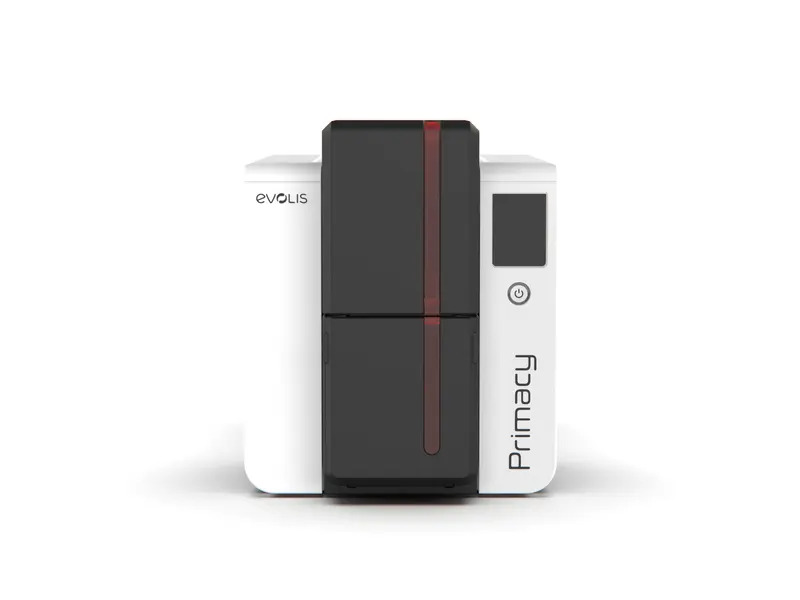
This is why many organisations are investing in an id badge printer instead of relying only on outside printing services. Modern businesses want the ability to print secure and branded cards whenever they need them. They also want more control over card design, staff information, visitor details, and access requirements.
In 2026, ID badge printers are not just office machines. They are becoming part of a wider workplace identity system that supports security, branding, access control, and daily business efficiency.
Trend 1 — More Companies Are Printing ID Cards On Demand
One of the biggest trends in 2026 is on-demand ID card printing. Businesses no longer want to wait several days for an external supplier to print and deliver cards. In many workplaces, cards are needed immediately.
A new employee may need an ID badge before their first shift. A visitor may need a temporary pass as soon as they arrive. A contractor may need access to a specific area for one day. A staff member may lose a card and need a quick replacement.
With an in-house id card printer, businesses can print cards when they are needed. This reduces delays and gives teams more flexibility. It also helps companies avoid ordering large batches of cards that may become outdated when job titles, logos, departments, or access rules change.
On-demand printing is especially useful for offices, schools, gyms, healthcare centres, warehouses, and event venues. These places often deal with new people, temporary users, or replacement card requests. Having a printer for ID card printing in-house makes the whole process faster and easier to manage.
Trend 2 — Professional Badge Design Is Becoming More Important
In 2026, businesses understand that ID badges are not only used for security. They also represent the brand. A poorly designed badge can look unprofessional, while a clean and well-printed card can create trust.
Professional badge design usually includes a clear staff photo, readable name, job title, department, company logo, and brand colours. These details help people identify staff quickly and make the business look more organised.
Readable text is especially important. If names, numbers, barcodes, or department labels are too small or unclear, the badge becomes harder to use. A good ID badge should be easy to read at a glance.
Modern ID badge printers help businesses create sharper, cleaner, and more consistent designs. This is useful for companies that want all employee cards, visitor passes, contractor badges, and event cards to follow the same professional style.
A well-designed badge also helps customers and visitors feel more confident. When staff wear professional ID cards, it becomes easier for people to know who to approach for help.
Trend 3 — Dual-Sided ID Cards Are Growing in Popularity
Another important trend is the growth of dual-sided ID card printing. A single-sided card can work well for simple badges, but many businesses now need more space for extra information.
The front of the card is usually used for the main identity details. This may include the employee’s name, photo, job title, department, company logo, and ID number. The back of the card can then be used for useful secondary information.
Businesses often use the back of ID cards for emergency contact details, QR codes, barcodes, department information, access instructions, return instructions, or company policy reminders. This keeps the front of the card clean while still allowing the business to include important details.
Dual-sided printing is especially useful for schools, universities, hospitals, corporate offices, and event venues. For example, a student card may show the student’s photo and name on the front, while the back includes library access details or emergency information. A staff badge may show identity details on the front and access instructions on the back.
As businesses look for more practical card designs, dual-sided ID cards are becoming a smart choice.
Trend 4 — ID Badge Printers Are Supporting Better Workplace Security
Security remains one of the main reasons businesses use ID badge printers. In 2026, companies want to know who is entering their building, who belongs in each department, and who has permission to access restricted areas.
Employee badges help identify authorised staff quickly. They can show a person’s role, department, access level, or employment status. This is useful in large offices, warehouses, healthcare centres, schools, and factories where many people move around each day.
Visitor passes also improve security. Instead of using handwritten paper badges, reception teams can print professional visitor cards with names, dates, host details, access levels, and expiry information. This makes visitor management more organised and helps staff recognise guests more easily.
Contractor IDs are another important use. Many businesses work with temporary contractors, delivery teams, maintenance workers, or service providers. A printed contractor badge helps show that the person has been approved to be on-site.
ID badge printers can also support access cards and temporary event badges. Depending on the printer and card type, businesses may use barcodes, QR codes, magnetic stripes, RFID, or smart card features. These options help connect physical ID cards with access control, attendance systems, and visitor tracking.
By printing cards in-house, businesses can respond quickly to security needs and reduce the risk of outdated or unmanaged badges.
Trend 5 — Businesses Want Easy Printer Setup and Reliable Supplies
In 2026, businesses do not just want a powerful printer. They want an ID badge printing system that is easy to use and simple to maintain.
Easy printer setup is important because not every office has a technical team. A good printer should be straightforward to install, connect, and operate. Staff should be able to create card designs, load ribbons, insert blank cards, and print badges without complicated training.
Reliable supplies are also essential. ID badge printers need printer ribbons, blank cards, cleaning kits, and sometimes replacement parts. If these supplies are not available when needed, card printing can stop at the wrong time.
Card design software is another key part of the system. Good software helps businesses create templates, add staff photos, include company logos, insert QR codes, and manage card layouts. This makes printing easier and helps maintain a consistent design.
Cleaning kits are often overlooked, but they are important for keeping the printer in good condition. Regular cleaning helps prevent card jams, poor print quality, and printer damage.
Ongoing technical support also matters. If a printer has an error, ribbon issue, software problem, or print quality concern, businesses need fast help. This is why many companies prefer buying from suppliers that offer setup advice, supplies, maintenance, and troubleshooting.
How to Choose the Best Printer for ID Card Printing in 2026
Choosing the best printer for ID card printing depends on the business’s daily needs. A small office may need a simple single-sided printer, while a school, hospital, gym, or event venue may need a faster and more advanced model.
The first thing to consider is printing volume. Businesses should estimate how many cards they print each day, week, or month. Low-volume users may only need a basic printer, while high-volume users should look for a printer with faster speed and larger card capacity.
Card type is also important. Some businesses only need basic employee badges, while others need access cards, visitor passes, student cards, membership cards, contractor IDs, or event badges. The printer should support the card type and card material required.
Print quality should be compared carefully. Clear photos, sharp text, accurate colours, and readable QR codes or barcodes are important for professional badges. If the card looks poor, it can affect both security and brand image.
Budget is another factor. Businesses should consider the printer price as well as the cost of ribbons, blank cards, cleaning kits, software, and maintenance. A cheaper printer may not always be the best option if supplies are expensive or support is limited.
Software compatibility should also be checked. The printer should work smoothly with the company’s card design software, employee database, or visitor management system if needed.
Future upgrade options are worth considering too. A business may start with simple cards today but need dual-sided printing, higher volume, RFID cards, or access control features later. Choosing a printer with upgrade potential can save money in the long run.
Frequently Asked Questions
What is an ID badge printer used for?
An ID badge printer is used to print professional plastic cards such as employee ID cards, visitor passes, contractor badges, student cards, membership cards, access cards, and event badges.
Why are businesses printing ID cards on demand in 2026?
Businesses are printing ID cards on demand because it saves time, reduces outsourcing delays, allows quick replacements, and gives better control over card design and staff information.
Is an ID card printer useful for small businesses?
Yes. Small businesses can use an ID card printer to create staff badges, visitor cards, membership cards, loyalty cards, and access cards without depending on outside printing services.
What is the benefit of dual-sided ID card printing?
Dual-sided printing gives businesses more space. The front can show identity details, while the back can include QR codes, emergency contacts, department information, or access instructions.
What should I compare before buying a printer for ID card printing?
Businesses should compare printing volume, card type, print quality, single-sided or dual-sided printing, budget, software compatibility, ribbon cost, cleaning needs, and technical support.
Conclusion
An id badge printer is becoming an important tool for businesses that need secure, professional, and branded cards in 2026. It helps organisations print employee badges, visitor passes, contractor IDs, access cards, and event badges quickly and efficiently.
As workplace identity needs continue to grow, businesses want faster card issuance, better badge designs, dual-sided printing, stronger security features, and reliable printer supplies. A good ID card printer supports all of these needs while reducing delays and improving daily operations.
By choosing the right printer for ID card printing, businesses can save time, improve security, strengthen branding, and create a more professional experience for staff, visitors, customers, and members.