

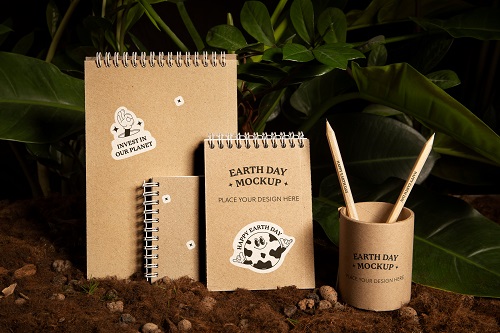
As environmental awareness accelerates across the globe, sustainable alternatives for everyday products are becoming mainstream — including in schools. In 2026, one of the most exciting trends in green education is plantable stationery: paper products embedded with seeds that can be planted to grow flowers, herbs, or vegetables after use.
Plantable stationery does double duty — it supports learning while reducing waste, encouraging biodiversity, and turning everyday school supplies into opportunities for hands‑on environmental education. From student notebooks to teacher planners and classroom rewards, creative seed paper ideas are transforming the way schools think about paper.
In this guide, you’ll find the top plantable stationery ideas for students and teachers in 2026, including practical ways to use them and why they matter.
What Is Plantable Stationery?
Plantable stationery is paper made from recycled pulp mixed with non‑GMO plant seeds. The seeds remain viable through printing and writing. Once the paper has served its purpose — whether notes, art, reminders, or posters — it can be planted directly in soil. As the paper biodegrades, the seeds sprout and grow.
This simple idea turns paper waste into living plants, making it a powerful tool for sustainability education.
Why Plantable Stationery Matters in 2026
Before we dive into specific ideas, it’s worth understanding why plantable stationery is gaining traction in schools:
🌿 1. Supports Zero‑Waste Goals
Schools generate massive paper waste each year. Plantable stationery reduces landfill contributions by giving paper a second life.
🌱 2. Enhances Environmental Education
Planting seed paper helps students connect classroom learning with real‑world ecology — from germination and life cycles to pollinators and food production.
🎒 3. Encourages Mindful Consumption
Using plantable supplies makes students and teachers think about how products are made, used, and disposed of — fostering deeper sustainability habits.
🌎 4. Aligns with Campus Sustainability Plans
Many schools and districts have carbon‑reduction targets. Plantable stationery supports these goals in a tangible, visual way.
Top Plantable Stationery Ideas for Students
Here are the best plantable stationery products and uses for students in 2026:
1. Plantable Notebooks & Journals
Why it’s great:
Notebooks are one of the most used items in school. Plantable notebooks provide the same writing space and then can be planted when full.
Ideas for use:
-
Science journals that become part of biology experiments
-
Writing notebooks that grow garden herbs
-
Art sketchbooks that sprout wildflowers
Teacher tip: After the semester, create a planting activity where students plant pages in school beds or pots.
2. Seed Paper Worksheets & Handouts
Why it’s great:
Instead of throwing away old worksheets, students can plant them. This transforms waste into growth.
Ideas for use:
-
Exit tickets with seeds embedded
-
Earth Day activity sheets that grow pollinator plants
-
Seasonal worksheets that sprout festive herbs or flowers
Teacher tip: Use seed paper handouts for environmental or agriculture units so planting aligns with curriculum.
3. Plantable Flashcards
Why it’s great:
Flashcards often get worn out quickly — planting them is a meaningful next step.
Ideas for use:
-
Vocabulary flashcards embedded with easy‑grow seeds
-
Math fact cards that become vegetable plants
-
Science flashcards with wildflower seeds
Engagement idea: Make planting flashcards part of a game or reward system.
4. Plantable Bookmarks
Why it’s great:
Bookmarks are used frequently, often replaced, and easily saved for planting.
Ideas for use:
-
Incentive bookmarks for reading programs
-
Inspirational quotes with butterfly‑friendly seeds
-
Custom bookmarks from school clubs
Tip: Give bookmarks out at library or literacy events with planting instructions.
5. Plantable Art & Craft Supplies
Why it’s great:
Art projects often involve paper scraps; turning them into seed paper art teaches sustainability and creativity.
Examples:
-
Collage art with embedded seeds
-
Handmade seed paper ornaments
-
Painted posters that can be planted
Class idea: Host a seed art showcase followed by planting day.
Plantable Stationery Ideas for Teachers
Teachers can use plantable stationery to support instruction, engagement, and classroom culture.
6. Plantable Teacher Planners & Agendas
Why it’s great:
Teacher planners are essential — and once a year is done, they can become a garden.
Ideas for use:
-
Weekly lesson planners that sprout aromatic herbs
-
Classroom management notebooks that grow flowers in spring
-
End‑of‑year planners planted for summer gardens
Teacher tip: Plan a planting party with your class at the end of the school year.
7. Seed Paper Name Tags & Desk Labels
Why it’s great:
Name tags and desk labels are small but add up. Seed‑embedded versions turn classroom signage into plants.
Ideas for use:
-
First‑day school name tags
-
Science lab station labels
-
Reading corner plant charts
Interactive idea: Let students guess what flower or herb will grow from their label.
8. Plantable Reward Cards & Incentives
Why it’s great:
Reward cards are fun — but also often disposable. Plantable reward cards connect achievement to nature.
Ideas for use:
-
“Green Star” behavior cards that grow wildflowers
-
Reading rewards that sprout herbs
-
Kindness or citizenship cards with seeds
Class culture idea: Keep a seed jar of rewards that students can plant at home or in school gardens.
9. Plantable Bulletin Board Backdrops
Why it’s great:
Bulletin boards change frequently. Using seed paper as a backdrop means no waste after use.
Ideas for use:
-
Spring STEM board that grows flowers
-
Earth Month displays that become herbs
-
Back‑to‑school greenery board
Teacher tip: Photograph the board and then plant it for students to watch grow.
10. Plantable Exit Tickets & Reflection Cards
Why it’s great:
Exit tickets are a quick formative assessment tool. When they’re made from seed paper, they encourage reflection and responsibility.
Ideas for use:
-
End‑of‑lesson reflection cards that grow pollinator plants
-
Feedback cards that sprout herbs
-
Goal‑setting tickets that become vegetable plants
Class idea: Create a class garden from all exit tickets planted together.
How to Plant Plantable Stationery
Planting seed paper is simple and perfect for classrooms and home gardens:
-
Tear the paper into small pieces — smaller pieces break down more easily.
-
Place in soil (garden bed or pot).
-
Cover lightly with a thin layer of soil.
-
Water gently but regularly.
-
Provide sunlight and watch seeds sprout.
Within days to weeks — depending on seed variety — plants emerge. It’s a great way to teach patience, responsibility, and observation.
Tips for Using Plantable Stationery Successfully
🌞 1. Choose Locally Appropriate Seeds
Pick seeds that grow well in your climate — native wildflowers, culinary herbs, or veggies suited for your region.
🧑🏫 2. Align with Curriculum
Use seed paper for ecology lessons, earth science units, life cycles, or gardening clubs.
🌱 3. Create Collaborative Gardens
Let students plant their seed paper in a class or school garden to watch collective growth.
📅 4. Integrate with Events
Earth Day, Arbor Day, and Spring Fairs are ideal times to use plantable stationery.
📖 5. Use Clear Instructions
Always include planting steps — even simple drawings — so students know what to do.
Plantable Stationery: Beyond the Classroom
Plantable stationery doesn’t have to stop at school:
-
At home: Families can plant seed notebooks or cards together.
-
In community gardens: Seed paper planted in public spaces can support biodiversity.
-
As gifts: Plantable cards and bookmarks make meaningful, sustainable gifts.
In 2026, sustainable living is expected to be a key life skill — and plantable stationery helps teach it in a way that’s practical and fun.
Final Thoughts
Plantable stationery is more than a clever product — it’s a tool for learning, sustainability, and inspiration. It teaches students and teachers that even small choices can make a big environmental impact. By turning paper into plants, classrooms become greener, lessons become more interactive, and students become active participants in protecting the planet.
As schools continue to adopt eco‑friendly practices, plantable stationery will play a central role in sustainability education — making waste a thing of the past and growth a classroom priority 🌱