
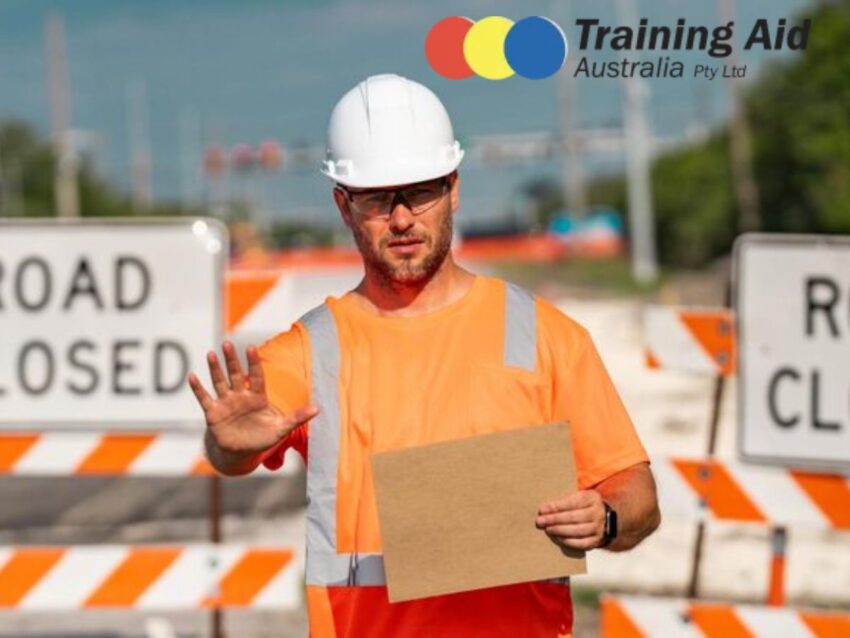
Road work on busy motorways needs trained professionals who can control traffic safely. Freeways carry high-speed vehicles, so mistakes can cause serious accidents. That is why workers must gain the right qualifications before they manage traffic in these areas. One important qualification is Traffic Management Implementer Level 3. This certification prepares workers to handle complex traffic setups on major roads and freeways. In Melbourne, many infrastructure and road maintenance projects require this training. If you want to work in high-speed road environments, understanding the certification process, requirements, and career options can help you plan your next step.
Traffic Management TMI3 Melbourne: Understanding the Certification
The certification focuses on advanced traffic control skills used on motorways and freeways. These locations have fast-moving vehicles and limited space for workers. Because of this risk, strict training standards apply.
The program teaches workers how to manage traffic according to approved road safety rules. It also covers how to set up traffic control systems for complex road environments.
Key focus areas include:
- Managing traffic on high speed roads
- Implementing approved traffic management plans
- Supervising traffic control teams
- Understanding freeway safety risks
- Responding to incidents and road hazards
Workers who complete the course gain the skills needed to support safe road operations. The training also helps companies meet government safety requirements for large road projects.
Prerequisites Before You Can Enrol
This certification is not an entry-level course. Workers must already have basic traffic management training and real work experience before enrolling.
Typical requirements include:
- Completion of earlier traffic management training
- Experience working on traffic control setups
- Evidence of work completed on active road sites
- Understanding of traffic control equipment and safety rules
Many training providers also ask for proof of previous traffic control experience. This ensures that students already understand the basics before learning advanced freeway management techniques.
Workers should prepare their documentation before enrolling in the program.
Skills You Will Learn During Training
The course focuses on practical knowledge. Students learn skills they will use directly on road sites.
Important training topics include:
- Reading and applying traffic management plans
- Identifying safety risks on busy roads
- Managing traffic control teams
- Setting up equipment for complex road works
- Communicating with road crews and supervisors
These skills help workers manage traffic in difficult road conditions. Freeway environments often change quickly. Workers must be able to react fast while keeping road users and crew members safe.
The training combines classroom learning with practical tasks. This approach helps students understand both the theory and the real-world application of traffic control.
Course Structure and Training Process
The training process usually follows a structured path. Each stage builds new skills and prepares workers for freeway traffic control tasks.
Typical training steps include:
- Theory training in a classroom environment
- Learning safety rules and traffic management procedures
- Practical exercises related to traffic control setups
- Workplace assessments after course completion
Students must demonstrate that they understand both safety rules and practical procedures. In many cases, workers complete additional on site experience after the training.
This structure ensures that students gain real competence before managing traffic on major roads.
Traffic Management TMI3 Melbourne Job Opportunities
Workers who complete this certification often move into higher responsibility roles. Road construction companies need trained professionals who can manage complex traffic environments.
Common roles include:
- Senior traffic management implementer
- Traffic management supervisor
- Road safety coordinator
- Traffic control operations leader
Large infrastructure projects in Melbourne often require qualified traffic management staff. Freeway maintenance, road upgrades, and construction projects rely on trained professionals who understand advanced traffic control procedures.
This certification can also help workers progress in their careers. Many companies prefer employees who hold advanced qualifications because they can manage high-risk road environments.
Why Advanced Traffic Management Training Matters
Freeways and motorways are some of the most dangerous environments for road workers. Vehicles move at high speed , and traffic volumes remain heavy during most hours of the day.
Proper training helps workers reduce risks by following approved traffic control methods. It also ensures that road users receive clear instructions while driving through work zones.
Without trained professionals, road work areas can become unsafe for both workers and drivers. That is why many infrastructure projects require certified traffic management implementers before work begins.
Advanced training improves safety, efficiency, and overall project coordination.
Advance Your Career in Traffic Control
If you want to advance your career in traffic control, the right training provider makes a big difference. Traffic Management Implementer Level 3 certification requires proper guidance, experienced trainers, and structured assessments. Training Aid Australia helps workers gain the skills needed to manage traffic on complex freeway projects. The course focuses on practical knowledge, safety procedures, and real road scenarios. Students learn how to apply traffic management plans and handle challenging road environments. With experienced instructors and industry-focused training, Training Aid Australia supports professionals who want to build strong careers in advanced traffic management and road safety.