
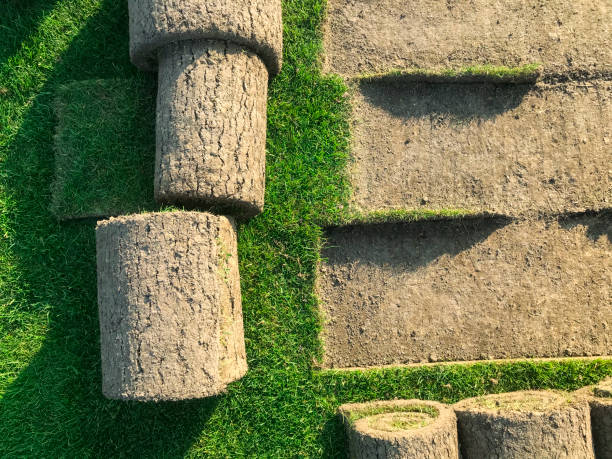
A beautiful lawn rarely happens by accident. Strong grass, even colour, and lasting durability usually come from informed choices and consistent care. I often answer questions from homeowners who want practical guidance before installing turf for garden spaces, so this FAQ gathers clear, experience-based answers that support confident decisions and long-term results.
What Should Be Considered Before Installing Turf?
Ground preparation determines future success more than any other factor. Soil must be level, loosened, and cleared of debris so roots can bond directly with earth. Uneven ground creates air gaps that dry roots and weaken growth. I always advise checking drainage before installation, since standing water can shorten lawn lifespan and reduce resilience.
Healthy soil texture should feel crumbly rather than compact. If soil sticks together in hard clumps, improvement with organic material helps create a balanced structure that supports root penetration.
What Makes Turf for a Garden Better Than Seed?
Seed requires patience, careful timing, and protection from wind, birds, and washout. Mature turf provides an instant green surface and stabilises soil immediately. This advantage becomes especially useful on slopes or exposed areas where loose seed might shift before germination.
Another benefit involves uniformity. Turf arrives pre-grown, which means colour and density remain consistent across the entire lawn. With seed, variation can occur due to uneven germination or inconsistent watering.
How Soon Can a New Lawn Be Used?
Freshly laid grass needs a short settling period. Roots must attach firmly to soil before foot traffic begins. Light use is usually safe after a couple of weeks, while regular activity should wait until strong resistance is felt when gently lifting a corner.
A simple test works well: tug lightly on one edge. If grass lifts easily, rooting is incomplete. If resistance holds firm, establishment has begun successfully.
What Watering Method Works Best After Installation?
Consistent moisture matters more than heavy soaking. Gentle watering once or twice daily during early stages keeps roots hydrated without flooding soil. Deep saturation can cause movement or soft patches, especially on sloped areas.
Morning watering often produces the best results because moisture absorbs before midday heat evaporates it. Evening watering can also help, though airflow should remain good so blades dry properly overnight.
How Long Does Turf Stay Healthy?
With proper care, a well-installed lawn can thrive for many years. Longevity depends on soil health, mowing habits, and seasonal feeding. I often explain that grass behaves like any living plant: strong roots equal strong performance.
At The Kent Lawn Turf Laying Co., I have observed that lawns installed on well-prepared soil consistently outlast ones placed on rushed groundwork. Preparation may take extra effort, yet long-term durability improves dramatically.
Is Fertiliser Necessary?
Nutrients support colour, density, and resilience. Fresh turf already contains energy reserves, so feeding should begin after rooting establishes. A balanced fertiliser applied at the right time strengthens growth without overstimulation.
Excess fertiliser can stress grass and cause uneven patches. Moderation keeps development steady and manageable.
How Short Should Grass Be Cut?
Cutting height affects root depth and moisture retention. Grass cut too short struggles to store energy and becomes vulnerable to heat. Slightly taller blades shade soil, reducing evaporation and encouraging deeper roots.
A general rule involves removing no more than one-third of the blade height during any single mowing session. This approach maintains stability and prevents shock.
Can Turf Be Installed on a Slope?
Yes, though careful technique matters. Horizontal placement across a slope helps slow water flow and stabilises soil. Anchoring edges during early stages prevents shifting until roots secure each section.
I frequently recommend staggered joints during installation because offset seams create a stronger surface structure. Small adjustments like this often determine whether a lawn remains smooth or develops visible lines.
Is Turf for Garden Suitable for All Soil Types?
Most soil types can support healthy grass once properly prepared. Clay soil benefits from loosening and organic matter, while sandy soil improves with materials that enhance moisture retention. Adaptation matters more than soil type itself.
Successful lawns usually result from adjusting soil conditions rather than replacing soil completely. Simple improvements often deliver excellent results without major excavation.
What Causes Patchy Growth?
Patchiness usually comes from uneven watering, poor soil contact, or shade imbalance. When turf fails to touch soil evenly, roots cannot establish in certain spots. Pressing sections firmly into place during installation prevents this issue.
Shade can also affect density. Grass in shaded zones grows slower than grass in sunny areas, so mowing height may need adjustment to keep appearance consistent.
How Can Lawn Colour Stay Rich Year-Round?
Consistent care preserves vibrant colour. Feeding during growing seasons, watering correctly, and removing thatch buildup all contribute to a strong appearance. Seasonal adjustments also help. Warmer months may require more frequent watering, while cooler months often need less.
At The Kent Lawn Turf Laying Co., I have seen lawns maintain deep green tones year after year when maintenance remains steady rather than occasional.
Is Turf Difficult to Maintain?
Maintenance becomes simple once routines form. Regular mowing, occasional feeding, and proper watering usually cover most needs. Compared with repairing damaged seeded lawns, maintaining established turf often saves time and effort.
A well-rooted lawn also resists weeds more effectively because dense growth leaves little space for unwanted plants to take hold.
When Is the Best Time to Install Turf for Garden Areas?
Mild weather offers ideal conditions. Moderate temperatures help roots establish without stress from extreme heat or frost. Spring and early autumn often provide balanced moisture and comfortable soil warmth, encouraging steady development.
That said, installation can succeed in many seasons as long as watering and preparation match conditions. Flexibility makes turf a practical option for various climates.
Final Thoughts
Choosing quality grass and installing it correctly creates more than a decorative surface. A carefully prepared lawn supports soil stability, improves outdoor comfort, and enhances overall landscape value. Thoughtful planning, steady maintenance, and attention to soil health ensure lasting results from Turf for Garden projects.
A thriving lawn reflects consistent care rather than luck. With informed decisions and proven techniques, any garden space can develop into a durable, vibrant green area that remains attractive and resilient through changing seasons.