
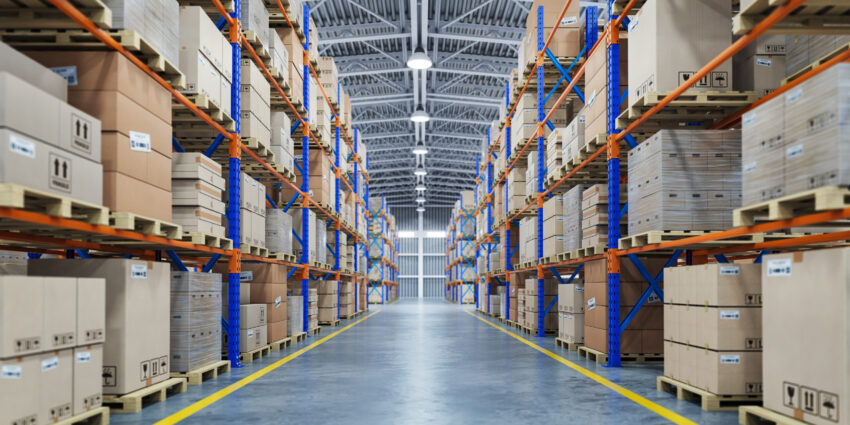
India’s booming e-commerce sector, coupled with its growing manufacturing and retail industries, has propelled the demand for sophisticated logistics and supply chain solutions. At the heart of this intricate network are warehouse services in India, playing a crucial role in ensuring the efficient flow of goods from producer to consumer. Beyond mere storage, modern warehousing encompasses a diverse array of services designed to optimize inventory management, reduce operational costs, and enhance overall supply chain performance. Understanding these various types is key for businesses looking to streamline their operations and gain a competitive edge.
1. General Warehousing (Storage and Distribution)
The most fundamental of all offerings, general warehousing provides secure storage for a wide range of products. This service typically includes receiving, storing, and shipping goods. Modern general warehouses are often equipped with advanced security systems, climate control options for sensitive items, and efficient racking systems to maximize space utilization. They are vital for businesses that need a reliable physical location to hold inventory before it’s distributed to retail outlets, regional hubs, or directly to customers. The focus here is on maintaining product integrity and availability while ensuring timely dispatch.
2. Contract Warehousing (Third-Party Logistics – 3PL)
Contract warehousing represents a more integrated and comprehensive solution where a third-party logistics (3PL) provider manages a client’s warehousing and distribution needs on a long-term contractual basis. This goes beyond simple storage to include a suite of value-added services tailored to the client’s specific requirements. Companies often opt for 3PLs to leverage their expertise, infrastructure, and technology without incurring the significant capital expenditure of building and managing their own facilities. This model offers scalability, allowing businesses to adjust their warehousing capacity based on fluctuating demand, and often results in cost efficiencies due to the 3PL’s economies of scale.
3. Public Warehousing
Public warehouses offer flexible storage solutions, typically on a month-to-month basis, without requiring a long-term commitment. This is an ideal option for businesses with seasonal inventory fluctuations, startups, or those testing new markets who require adaptable space. While offering flexibility, public warehouses might have less customization in terms of dedicated staff or specialized handling compared to contract warehousing. However, they provide a cost-effective way to manage temporary storage needs and respond quickly to market changes without being tied to fixed operational costs.
4. Bonded Warehousing
Bonded warehouses are government-approved facilities used for storing imported goods before customs duties and taxes are paid. These facilities allow importers to defer duty payments until the goods are withdrawn for domestic consumption or re-exported. This offers significant financial advantages, as it frees up working capital and provides flexibility for businesses dealing with international trade. Bonded warehouses are subject to strict regulations and customs supervision, ensuring compliance and secure storage of high-value imported items. They are crucial for businesses engaged in global supply chains, offering a strategic point for managing international inventory.
5. Cold Storage Warehousing
For products requiring temperature-controlled environments, such as pharmaceuticals, perishable food items, chemicals, and certain electronics, cold storage warehousing is indispensable. These facilities maintain specific temperature and humidity levels to preserve product quality and extend shelf life. India’s diverse climate makes cold chain logistics a critical component of its supply chain, particularly for agricultural produce and healthcare products. Advanced cold storage warehouses feature multiple temperature zones, real-time monitoring, and specialized handling equipment to ensure the integrity of sensitive goods.
Conclusion
The landscape of warehouse services in India is dynamic and continually evolving, driven by technological advancements and shifting market demands. From basic storage to highly automated fulfillment centers and specialized cold chain solutions, businesses today have access to a sophisticated ecosystem of warehousing options. Choosing the right type of warehouse service is a strategic decision that can significantly impact a company’s operational efficiency, cost structure, and ability to deliver on customer promises. As India’s economy continues to grow, the importance of robust and adaptable warehousing solutions will only intensify, solidifying their role as a backbone of modern commerce.