
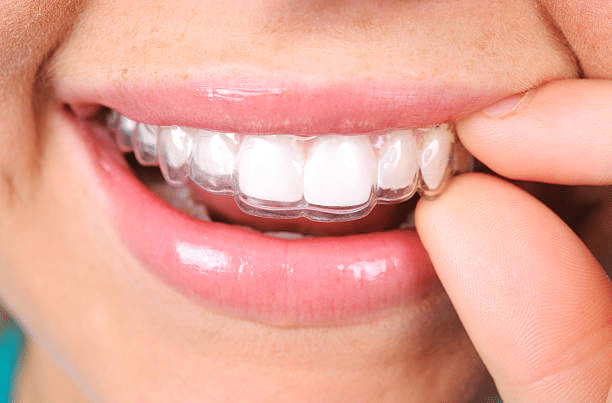
If you want straighter teeth but feel hesitant about wearing traditional metal braces, you may be looking for a more discreet option. Invisible braces treatment in Nashik has become an increasingly popular choice for people who want to improve the alignment of their teeth without making braces the most noticeable part of their smile.
Invisible braces, commonly called clear aligners, are transparent trays designed to gradually move teeth into their planned positions. They are removable, relatively discreet, and can fit more easily into many people’s daily routines. However, they are not automatically suitable for every orthodontic problem. A proper dental evaluation is important before deciding on treatment.
What Are Invisible Braces?
Invisible braces are a type of orthodontic treatment that uses a series of clear, custom-made aligners. Each aligner applies gentle, controlled pressure to specific teeth. As you progress through the series, your teeth gradually move toward their planned positions.
Unlike conventional braces, clear aligners generally do not use metal brackets and wires. This makes them appealing to adults, working professionals, students, and anyone who prefers a less noticeable orthodontic option.
Many people also use the term Invisalign treatment when discussing clear aligners. Invisalign is a specific clear-aligner system, while “invisible braces” or “clear aligners” can refer more broadly to transparent orthodontic trays. Your dentist can explain which option is appropriate for your teeth.
Why Are Invisible Braces Becoming Popular?
One of the biggest advantages of clear aligners is their appearance. Because the trays are transparent, they can be much less noticeable than traditional braces.
Other potential benefits include:
- Removable design: You can generally remove the aligners while eating and drinking.
- Easier oral hygiene: Removing the trays allows you to brush and floss your teeth normally.
- No metal brackets: There are no conventional brackets and wires rubbing against the cheeks and lips.
- Convenience: Clear aligners can fit into many professional and social routines.
- Planned tooth movement: Treatment is designed according to your individual dental alignment and treatment goals.
That said, clear aligners require commitment. Wearing them for the recommended amount of time each day and changing them according to your dentist’s instructions are important for maintaining treatment progress.
Who Can Consider Invisible Braces Treatment in Nashik?
Invisible braces may be considered for several common alignment concerns, including crowded teeth, spacing between teeth, and certain bite-related problems. The suitability depends on factors such as the severity and type of tooth movement required, your gum health, bone support, and overall oral health.
For some complex orthodontic cases, traditional braces or another treatment approach may be more appropriate.
This is why choosing treatment based only on appearance or online information may not be enough. A dentist or orthodontic professional should assess your teeth before recommending aligners.
What Happens During the Treatment?
The process usually starts with a consultation. Your dentist examines your teeth, gums, bite, and overall oral health. Depending on the case, digital scans, photographs, X-rays, or other diagnostic records may be recommended.
If clear aligners are suitable, your treatment plan is prepared based on the required tooth movements. You will receive a series of aligners, with each set intended to guide your teeth through a specific stage.
Regular follow-up appointments allow the dental team to monitor your progress and determine whether the treatment is moving as planned.
Treatment duration varies considerably from person to person. A simple alignment concern may require less time than a more complex bite or spacing problem, so it is better to discuss your expected timeline during your consultation rather than relying on a standard treatment duration.
Are Aligners Comfortable?
Clear aligners are generally designed to provide controlled tooth movement, but that does not mean you will never feel anything during treatment. It is common to experience some pressure or temporary discomfort when beginning a new aligner as the teeth adjust to the planned movement.
The experience can vary between individuals. If you experience significant or persistent discomfort, your dentist should be informed rather than trying to manage the problem yourself.
Choosing a Dental Clinic in Nashik
The quality of your orthodontic experience depends on more than simply choosing “invisible braces.” Proper diagnosis, treatment planning, monitoring, and follow-up are all important.
If you are comparing options for the best dental clinic in Nashik, consider factors such as the dentist’s experience with aligner cases, the diagnostic process, how treatment is planned, follow-up arrangements, and whether the clinic clearly explains expected outcomes, limitations, costs, and retention after treatment.
At Dental Design Clinic, patients considering aligners in Nashik can discuss their concerns and treatment goals with the dental team before deciding whether clear aligners are appropriate for them. A consultation can help you understand what is realistically achievable for your particular smile rather than relying on generic treatment promises.
What Happens After Your Teeth Are Straight?
Orthodontic treatment does not necessarily end when the final aligner is completed. Teeth can naturally shift over time, which is why retention is an important part of maintaining your new alignment.
Your dentist may recommend a retainer and explain how and when to wear it. Following the retention plan can help maintain the results achieved through treatment.
A More Discreet Way to Work Towards a Straighter Smile
If the visibility of metal braces has been holding you back from addressing crooked or crowded teeth, invisible braces treatment in Nashik may be worth discussing with a dental professional.
Clear aligners offer a discreet and removable approach to orthodontic treatment, but they work best when the case is properly assessed and the patient follows the treatment plan consistently. Rather than choosing aligners simply because they are popular, start with a professional evaluation and understand your available options.
A consultation at Dental Design Clinic can help you determine whether invisible braces or another orthodontic solution fits your dental needs, lifestyle, and smile goals.
Frequently Asked Questions
1. Are invisible braces suitable for everyone?
No. Clear aligners are suitable for many alignment concerns, but not every orthodontic case can be treated with them. A dental examination is necessary to determine whether aligners are appropriate for you.
2. How long does invisible braces treatment take?
Treatment duration varies depending on tooth movement, bite concerns, case complexity, and how consistently the aligners are worn. Your dentist can provide a more realistic estimate after evaluating your teeth.
3. Can I eat normally while wearing invisible braces?
Aligners are generally removed while eating. After eating, cleaning your teeth and following your dentist’s instructions before putting the aligners back in can help maintain good oral hygiene.
4. Are invisible braces the same as Invisalign treatment?
Not exactly. Invisalign is a specific brand of clear-aligner treatment. “Invisible braces” and “clear aligners” are broader terms used for transparent orthodontic trays. Your dentist can explain which system is suitable for your case.
Article Source : Want Straighter Teeth Without Metal Braces?