
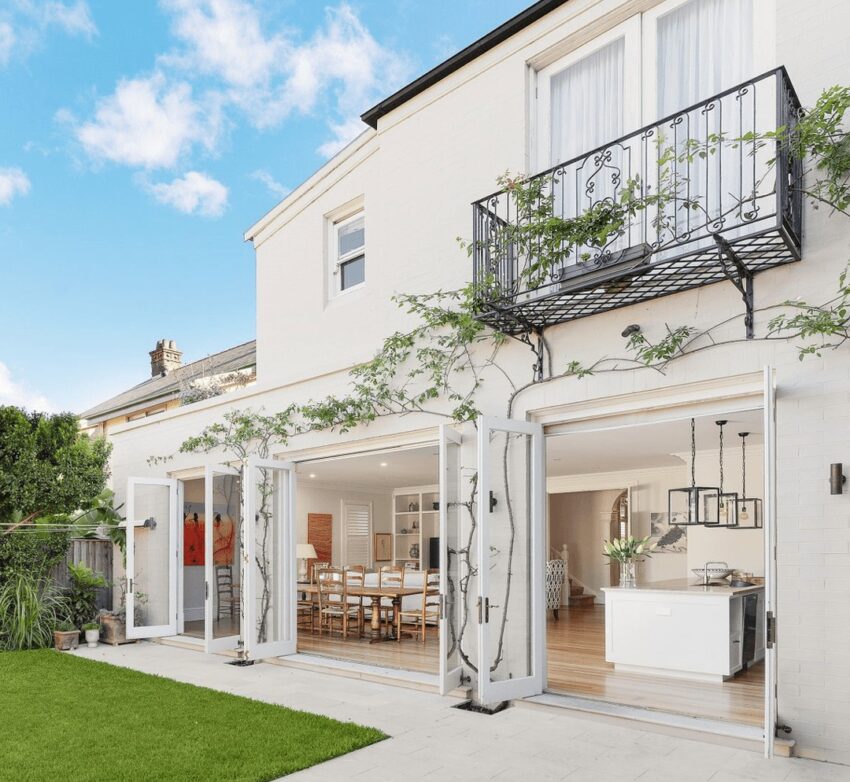
Sydney architecture today reflects the way people live, work, and connect with their surroundings. Homes are no longer planned only for shelter. They are shaped around daily routines, climate comfort, and long term use. Families want spaces that feel calm, flexible, and easy to live in. These expectations influence how homes look and how they function across the city. Design choices now respond closely to lifestyle patterns, local conditions, and future needs.
This shift has changed how homes are planned in both new builds and renovations. Streets across Sydney show a mix of traditional forms and modern responses. Behind many of these homes is careful planning guided by professionals who understand how design decisions affect everyday life.
Lifestyle as a driving force in modern design
Lifestyle plays a major role in shaping Sydney homes today. More people work or study from home, spend time cooking and gathering, and value outdoor areas for rest. Homes must support quiet focus as well as social connection. This has led to layouts that prioritise shared living areas while still providing privacy where needed.
Open living spaces remain popular, yet they are now planned with more structure. Zoning helps separate noise and activity without closing spaces off completely. Outdoor areas are often treated as extensions of indoor living, with clear access and shelter. These choices support comfort throughout the day and across seasons.
The influence of climate on Sydney homes
Sydney climate strongly affects architectural decisions. Warm summers and mild winters require careful planning for shade, airflow, and light. Homes are often oriented to capture gentle winter sun while reducing heat during warmer months. Shading devices, deeper eaves, and screened openings help manage temperature naturally.
Airflow is another key factor. Cross ventilation allows fresh air to move through the home, improving comfort and reducing reliance on mechanical cooling. These climate based decisions are now expected rather than optional in well planned homes.
Design that responds to local context
Sydney suburbs vary widely in character, block shape, and density. Modern architecture responds to this diversity by adjusting scale, form, and materials to suit the surroundings. A home on a narrow inner city block requires a different approach than one on a wider suburban site or sloping land.
Design that respects context often gains stronger community acceptance and smoother approval outcomes. Careful placement of windows helps protect privacy. Building height and setbacks are shaped to suit neighbouring homes. These responses help new architecture sit comfortably within established streets.
Innovation through practical thinking
Innovation in Sydney architecture is not only about technology. It is also about smarter planning and better use of space. Homes now include flexible rooms that change use over time. A space may support work during the day and quiet rest in the evening. Storage is planned more carefully to reduce clutter and improve flow.
Materials and construction methods have also evolved. Durable finishes that suit coastal conditions and changing weather patterns are favoured. Energy efficient glazing, insulation, and water saving systems support long term comfort and reduced running costs.
The role of professional guidance
Behind many successful projects is clear professional guidance. Residential architects Sydney work closely with homeowners to translate lifestyle needs into practical layouts. They study how people move through spaces and how rooms are used at different times of the day. This understanding shapes homes that feel natural to live in rather than forced.
Professional guidance also helps owners understand choices and trade offs. Decisions about size, layout, and materials are made with long term comfort in mind. This process helps avoid costly changes later.
Council planning and approvals
Sydney architecture today is shaped by planning controls set by local councils. These rules guide building height, setbacks, and design response. Navigating these requirements can be complex. Professionals prepare drawings and reports that address council expectations while supporting the design vision.
Clear documentation improves the approval process and reduces delays. It also helps homeowners understand what is permitted and why certain choices are made. This clarity supports confidence throughout planning.
A local reference point
As a reference only, Michael Bell Architects Sydney operates from c3 372 Wattle St Ultimo NSW 2007 Australia. This mention is included to show how local practices work within Sydney planning systems and local conditions.
Technology and modern living
Technology now forms part of everyday life in the home. Sydney architecture responds by planning spaces that support digital work, learning, and communication. Power access, data points, and quiet zones are integrated early in the design process.
Smart systems may support lighting, temperature control, and security. These features are planned so they do not disrupt comfort or layout. Technology is treated as a support tool rather than a visual focus.
Sustainability as a core expectation
Sustainability has become a standard consideration in Sydney architecture. Homes are designed to use resources wisely and support long term comfort. Passive design strategies reduce energy use. Water sensitive planning supports gardens and outdoor areas.
These choices reflect growing awareness of environmental impact and running costs. Homes that feel comfortable without constant adjustment are valued by owners and future buyers alike.
How design supports long term value
Homes that are well planned tend to age better. Clear layouts, durable materials, and adaptable spaces support changing needs over time. Buyers often look for homes that feel easy to live in and maintain. Good design supports this appeal.
Working with residential architects Sydney can help owners make decisions that protect both comfort and value. Planning that considers future use reduces the need for major updates later.
Community influence and shared ideas
Design trends are often shaped by shared experience. Homeowners learn from others through photos, reviews, and project stories. This user shared knowledge influences expectations and encourages better planning. Professionals who communicate clearly help guide these conversations and support informed decisions.
Choosing the right support
Selecting professional support involves trust and communication. Owners often look for experience with similar homes or suburbs. Clear explanations and organised processes help reduce stress. Early discussions about budget, timing, and scope support realistic planning.
Engaging residential architects Sydney early in the process allows key decisions to be shaped before constraints arise. This supports smoother outcomes from concept through to construction.
Frequently asked questions
How is Sydney architecture different today
It focuses more on lifestyle, comfort, and adaptability rather than fixed room use.
Why is climate so important in design
Climate affects comfort, energy use, and long term living quality.
How do professionals support better outcomes
They guide layout, approvals, and construction quality with clear planning.
What makes a home feel modern
Flexibility, natural light, airflow, and connection to outdoor space define modern comfort.
Final thoughts
Sydney architecture today reflects how people want to live now and into the future. Design responds to lifestyle needs, climate conditions, and local context. Innovation appears through smarter planning rather than excess. With clear guidance and thoughtful decisions, homes can feel calm, practical, and ready for daily life.
For many homeowners, working with residential architects Sydney provides structure and clarity throughout this process. Their role continues to shape the look and function of Sydney homes in meaningful ways.