

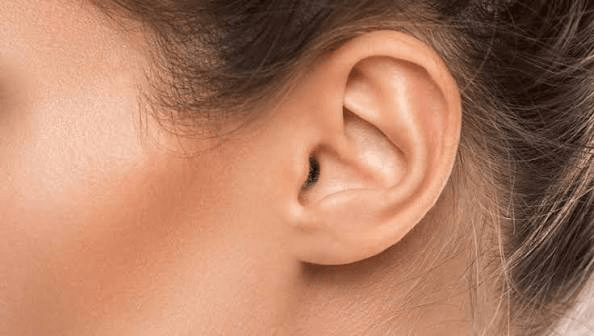
A torn earlobe can happen when an earring gets caught on clothing, heavy jewellery gradually stretches a piercing, or an accident places sudden pressure on the ear. Some injuries are minor, while others cause a partial or complete split in the earlobe.
Although a small injury may stop bleeding and become less uncomfortable, the tissue does not always return to its original shape. Understanding what can happen if a tear is left untreated can help you decide when to seek medical advice.
Can a Torn Earlobe Heal on Its Own?
The answer depends on the type of injury.
A minor wound may heal naturally, provided the tissue edges are not significantly separated. However, a piercing that has stretched substantially or a tear extending through the lower edge of the earlobe generally will not regain its original shape without treatment.
When the tissue has separated completely, the edges may heal independently, leaving a persistent split or notch. Medical assessment can help determine whether the injury needs closure or another form of treatment.
Possible Effects of Leaving a Torn Earlobe Untreated
1. A Persistent Split or Opening
A complete tear may remain visible even after the wound has healed. The earlobe can look divided, and the original piercing may no longer be usable.
2. Continued Stretching
If the damage was caused by heavy earrings, continuing to wear them can place additional strain on the weakened tissue. An elongated piercing may become larger and could eventually develop into a complete tear.
3. Changes in Earlobe Shape
As a wound heals, scar tissue may form around the damaged area. Depending on the injury, the earlobe may develop an uneven contour or a noticeable notch.
4. Difficulty Wearing Earrings
A stretched or split piercing may no longer support jewellery securely. Earrings can sit unevenly, pull on the tissue, or become caught more easily.
5. Delayed Attention to Complications
A fresh injury may involve bleeding, contamination, or damage beyond the visible tear. Ignoring increasing pain, swelling, redness, or discharge may delay appropriate care.
An untreated tear does not automatically lead to infection, but fresh injuries should be assessed when the damage is significant or symptoms are concerning.
When Should You Seek Medical Attention?
Seek prompt medical assessment if the earlobe is completely split, the wound edges are separated, or bleeding does not stop with gentle, continuous pressure using clean gauze.
Increasing redness, warmth, swelling, worsening pain, pus, or fever may indicate a complication and should be assessed promptly.
For a fresh injury, avoid using household glue or attempting to stitch the tissue yourself. Keep the area protected and follow medical advice.
What Treatment Options May Be Available?
Treatment depends on whether the injury is recent, partially torn, completely split, or an old piercing defect.
Wound care: Minor injuries may only require appropriate cleaning, protection, and monitoring, depending on the clinician’s assessment.
Surgical repair: A persistent split or significantly stretched piercing may be treated with a procedure that reshapes the damaged tissue and closes the area with sutures. Torn earlobe repair is commonly considered when the tissue has separated and is unlikely to return to its previous shape on its own.
Treatment of an older tear: Even if the damage occurred years ago, repair may still be possible. The approach depends on the amount and condition of the remaining tissue.
What Should You Expect From Earlobe Repair?
Earlobe repair is often performed as an outpatient procedure using local anaesthesia. The clinician assesses the damage, explains the proposed technique, and discusses healing, scarring, and aftercare.
People considering earlobe repair surgery in Bangalore should ask about the likely cosmetic outcome, possible complications, follow-up visits, and when it may be safe to wear earrings again.
Repair can improve the continuity and appearance of the earlobe, but it cannot guarantee a completely invisible scar or prevent every future tear.
How Can You Prevent Further Damage?
While deciding on treatment or recovering from an injury, avoid wearing earrings through a damaged opening. Once the area has healed, consider lightweight jewellery and remove earrings before activities where they could snag.
If the earlobe has been repaired, follow your clinician’s guidance before re-piercing or wearing heavier accessories.
Making an Informed Decision
If you are considering ear lobe repair in Indiranagar, a professional assessment can help establish whether your injury requires treatment and which options are suitable.
Leaving a minor injury alone may be reasonable in some circumstances, but a persistent split or severely stretched piercing is unlikely to return to its previous shape without intervention. Understanding the type of damage and seeking advice at the appropriate time can help you make a decision based on your health and cosmetic goals.