
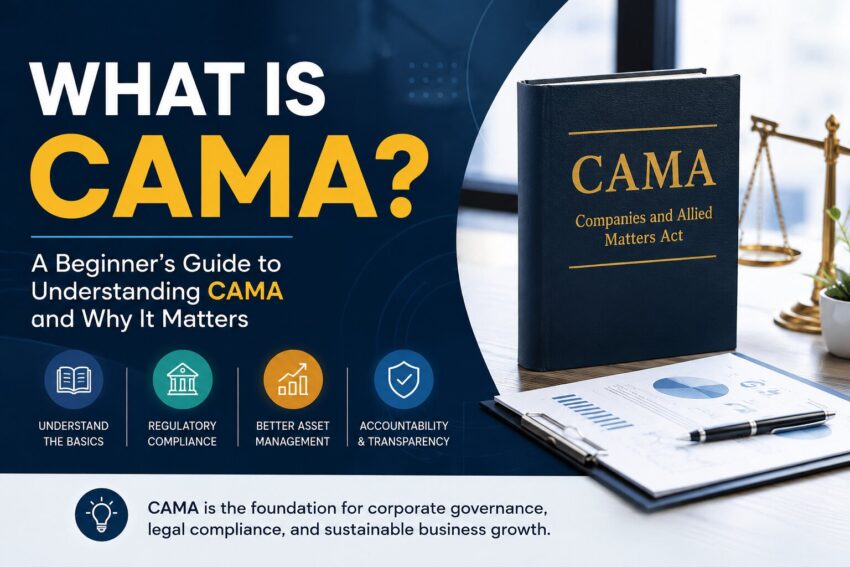
Organizations around the world are investing billions of dollars in physical assets such as buildings, manufacturing equipment, transportation systems, utilities, and infrastructure. Managing these assets effectively is essential for reducing costs, improving performance, minimizing risks, and ensuring long-term sustainability. This is where CAMA comes into the picture.
If you’ve ever wondered what is CAMA, how it supports organizations, or why professionals are pursuing CAMA certification, this guide will answer all your questions. Whether you’re an asset manager, maintenance engineer, reliability professional, consultant, or executive, understanding the CAMA program can help you stay competitive in today’s asset-intensive industries.
In this article, we’ll explore the CAMA background, explain the value of becoming a Certified Asset Management Assessor, discuss the benefits of CAMA training, and show why earning a CAMA course credential can significantly enhance your career.
What Is CAMA?
CAMA (Certified Asset Management Assessor) is a globally recognized professional credential designed for individuals who evaluate, assess, and improve organizational asset management systems.
The certification equips professionals with the knowledge and practical skills required to assess an organization’s asset management practices against internationally accepted standards and best practices.
Unlike certifications that focus solely on maintenance or engineering, CAMA asset management emphasizes evaluating the effectiveness of an organization’s complete asset management framework—from leadership and strategy to lifecycle management and continual improvement.
Professionals who complete a CAMA certification become capable of identifying strengths, weaknesses, improvement opportunities, and compliance gaps within an organization’s asset management system.
Understanding the CAMA Background
To understand why the certification is valuable, it’s important to know the CAMA background.
Asset management has evolved dramatically over the past few decades. Organizations realized that simply maintaining equipment wasn’t enough. Instead, they needed structured systems that aligned assets with business objectives.
International standards such as ISO 55000 introduced a comprehensive approach to managing physical assets throughout their lifecycle.
As organizations adopted ISO 55000 principles, the need for qualified assessors increased. Businesses needed professionals who could evaluate whether their asset management systems met international expectations.
The Certified Asset Management Assessor (CAMA) credential was developed to fill this growing demand by preparing professionals to perform consistent, objective, and value-driven asset management assessments.
What Is CAMA Asset Management?
Many people confuse CAMA asset management with traditional maintenance management. However, they are quite different.
Traditional maintenance focuses primarily on repairing equipment and preventing failures.
Asset management, on the other hand, takes a broader business perspective by considering:
-
Asset lifecycle planning
-
Strategic asset investment
-
Risk management
-
Financial optimization
-
Performance measurement
-
Sustainability
-
Governance
-
Continuous improvement
The purpose is to maximize value from physical assets while balancing performance, risk, and cost.
A Certified Asset Management Assessor evaluates whether these principles are effectively implemented throughout an organization.
Why Is CAMA Important?
Today’s organizations face numerous challenges:
-
Aging infrastructure
-
Limited budgets
-
Increasing regulatory requirements
-
Higher customer expectations
-
Sustainability goals
-
Digital transformation
Poor asset management often results in:
-
Frequent equipment failures
-
Increased maintenance costs
-
Unplanned downtime
-
Safety incidents
-
Reduced operational efficiency
Professionals with CAMA certification help organizations overcome these challenges by identifying improvement opportunities before they become costly problems.
This makes the certification valuable across industries including:
-
Manufacturing
-
Oil & Gas
-
Utilities
-
Transportation
-
Mining
-
Government
-
Healthcare
-
Aviation
-
Maritime
-
Infrastructure
Who Should Take a CAMA Course?
A CAMA course is designed for professionals responsible for managing, improving, or assessing physical assets.
Ideal candidates include:
-
Asset Managers
-
Maintenance Managers
-
Reliability Engineers
-
Plant Managers
-
Operations Managers
-
Facility Managers
-
Engineering Consultants
-
ISO Auditors
-
Infrastructure Professionals
-
Government Asset Managers
-
Maintenance Supervisors
-
Continuous Improvement Specialists
Even professionals with years of industry experience benefit from structured CAMA training because it introduces globally accepted frameworks and assessment methodologies.
Key Learning Outcomes of CAMA Training
Completing CAMA training provides participants with practical skills that can immediately be applied in the workplace.
Typical learning outcomes include:
Understanding Asset Management Principles
Participants gain a deep understanding of internationally recognized asset management frameworks and best practices.
Conducting Organizational Assessments
Professionals learn how to evaluate asset management maturity using structured assessment techniques.
Identifying Improvement Opportunities
One of the primary objectives of the CAMA program is identifying areas where organizations can improve performance, reduce costs, and strengthen governance.
Risk-Based Decision Making
Asset management involves balancing cost, risk, and performance. CAMA teaches professionals how to assess these factors objectively.
Reporting Assessment Results
Participants learn how to prepare professional reports that communicate findings, recommendations, and priorities to organizational leadership.
Benefits of Earning CAMA Certification
There are many reasons why professionals pursue CAMA certification.
Career Growth
Organizations increasingly seek professionals with recognized asset management credentials.
The certification demonstrates expertise beyond traditional maintenance practices and positions candidates for leadership roles.
Global Recognition
The Certified Asset Management Assessor credential is recognized internationally, making it valuable for professionals working in multinational organizations.
Increased Professional Credibility
Certification demonstrates commitment to professional development and internationally accepted best practices.
Better Decision Making
Professionals gain structured assessment skills that improve strategic planning and organizational performance.
Higher Earning Potential
Specialized certifications often improve career advancement opportunities and salary prospects because certified professionals bring measurable value to organizations.
What Topics Are Covered in a CAMA Program?
Although every training provider may structure their curriculum differently, a comprehensive CAMA program typically includes:
Introduction to Asset Management
Understanding core concepts, terminology, and organizational value.
ISO 55000 Framework
Learning the requirements and guidance provided by international asset management standards.
Asset Management System Assessment
Methods for evaluating policies, processes, governance, and organizational maturity.
Risk Assessment
Understanding operational, financial, environmental, and strategic risks associated with physical assets.
Performance Measurement
Developing key performance indicators (KPIs) for continuous improvement.
Improvement Planning
Creating practical recommendations based on assessment findings.
Leadership and Organizational Alignment
Understanding how leadership influences successful asset management implementation.
Industries That Benefit from Certified Asset Management Assessors
The demand for Certified Asset Management Assessors continues growing because nearly every industry depends on physical assets.
Examples include:
Manufacturing
Optimize production equipment and minimize downtime.
Energy
Improve reliability across power generation and distribution assets.
Oil and Gas
Enhance operational safety while reducing maintenance costs.
Transportation
Improve infrastructure reliability and lifecycle planning.
Mining
Increase equipment availability and reduce operational interruptions.
Healthcare
Maintain medical equipment while meeting regulatory requirements.
Government
Improve public infrastructure investment and accountability.
Why Organizations Need CAMA Professionals
Organizations invest millions in equipment, infrastructure, and facilities.
Without structured asset management assessments, businesses often experience:
-
Reactive maintenance
-
Budget overruns
-
Poor asset performance
-
Compliance issues
-
Safety risks
-
Inefficient resource allocation
Professionals who complete CAMA training help organizations identify these issues early and recommend practical improvements that support long-term business objectives.
How CAMA Supports ISO 55000 Implementation
One of the strongest advantages of CAMA certification is its alignment with ISO 55000 asset management standards.
Organizations implementing ISO 55000 require professionals capable of evaluating:
-
Leadership commitment
-
Organizational strategy
-
Asset management objectives
-
Lifecycle planning
-
Risk management
-
Performance evaluation
-
Continuous improvement
A Certified Asset Management Assessor provides independent, structured evaluations that help organizations strengthen compliance and maximize asset value.
Why Choose GI Intelligence for Your CAMA Training?
If you’re looking for professional CAMA training, GI Intelligence offers a comprehensive learning experience designed for today’s asset management professionals.
The Certified Asset Management Assessor (CAMA) Training program is tailored to help participants understand internationally recognized asset management principles while developing practical assessment skills that can be applied immediately in real-world environments. Through expert-led instruction, interactive learning, and industry-focused content, participants gain the confidence to evaluate asset management systems, identify improvement opportunities, and support organizational excellence. Whether you’re seeking career advancement, preparing for certification, or strengthening your organization’s asset management capabilities, GI Intelligence provides high-quality training that equips professionals with the knowledge needed to succeed in modern asset-intensive industries.
How to Prepare for CAMA Certification
Preparing for CAMA certification involves more than simply studying course materials.
Successful candidates often:
-
Build a solid understanding of asset management principles.
-
Review ISO 55000 concepts and terminology.
-
Learn assessment methodologies and reporting techniques.
-
Practice applying asset management concepts to real organizational scenarios.
-
Participate actively in instructor-led discussions and practical exercises.
-
Strengthen their understanding of risk management and lifecycle planning.
A structured CAMA course provides the guidance and practical knowledge needed to prepare confidently for certification while developing skills that are valuable in the workplace.
Future Demand for CAMA Professionals
Asset management is becoming increasingly strategic as organizations embrace digital transformation, predictive maintenance, artificial intelligence, and sustainability initiatives.
Future asset managers will need to:
-
Analyze asset performance data.
-
Support ESG initiatives.
-
Optimize lifecycle costs.
-
Improve operational resilience.
-
Drive continual improvement.
Because of these trends, professionals with CAMA certification will continue to play a critical role in helping organizations maximize value from their physical assets.
Conclusion
Understanding what is CAMA is the first step toward recognizing the growing importance of structured asset management in today’s business environment. The Certified Asset Management Assessor credential equips professionals with the knowledge, assessment skills, and strategic perspective needed to evaluate and improve asset management systems using internationally recognized best practices. Whether you’re interested in advancing your career, supporting ISO 55000 initiatives, or helping organizations achieve greater operational efficiency, a comprehensive CAMA course and CAMA training can provide the expertise you need. As industries continue to prioritize reliability, sustainability, and long-term asset performance, the CAMA program is becoming an increasingly valuable investment for professionals seeking to lead the future of CAMA asset management.