
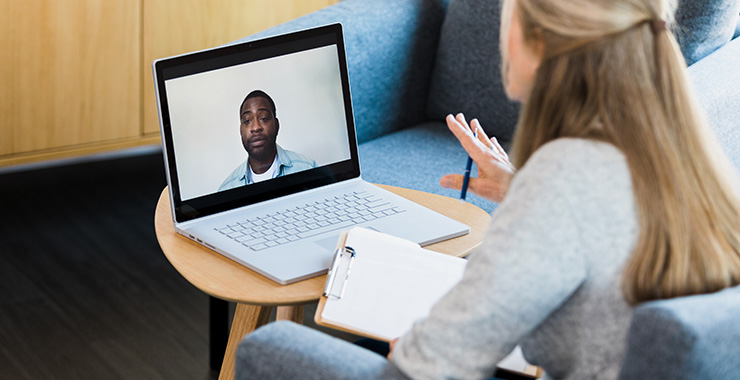
Sometimes talking to someone who listens without judgment can change everything. Maybe you’re feeling stuck, anxious, or just not like yourself lately. Getting professional support doesn’t mean you have to drive across town or rearrange your whole day anymore.
Understanding How Virtual Counseling Works
Online therapy lets you talk with a licensed mental health professional using your smartphone, tablet, or computer. You can choose video calls if you like seeing your counselor’s face, phone calls if that feels easier, or even messaging if you prefer typing things out.
The counselor you connect with has the same training as someone in a traditional office. They ask questions, help you understand patterns in your thinking, and give you practical ways to handle tough situations.
People all over Pakistan are using this method because it removes barriers that used to keep them from getting help.
Reasons Virtual Sessions Make Sense
No Travel Required
Fighting traffic to get to an appointment adds unnecessary stress. When you meet virtually, you save time and energy. You can talk to your counselor during your lunch break or after putting the kids to bed.
Privacy Matters
Walking into a mental health clinic can feel uncomfortable, especially in smaller communities where everyone knows each other. At home, you have complete privacy. Nobody needs to know you’re getting support unless you choose to tell them.
Access to Different Specialists
Maybe your town only has one or two counselors. Online therapy in Pakistan opens up your options. You can work with someone who has specific experience with your exact situation, no matter where they’re located.
Different Ways to Get Support
Private Sessions Just for You
One-on-one time with a counselor means complete focus on your situation. Therapy individual appointments give you space to talk about anything without worrying about others hearing. Your counselor tailors everything to what you need.
These sessions move at your speed. If something feels too heavy one week, you can slow down. When you’re ready to dig deeper, you can do that too.
Working on Your Relationship Together
Every couple hits rough patches. Communication breaks down, old resentments build up, or you just feel disconnected. Couples therapy gives you and your partner tools to understand each other better and work through conflicts in healthier ways.
Both people participate, and the counselor helps you hear what your partner is actually trying to say underneath the arguments.
Finding Community in Group Sessions
Struggling alone feels worse than struggling with others who understand. Online group therapy for depression connects you with people facing similar challenges. You share experiences, learn from each other, and realize you’re not as alone as you thought.
Group members often become sources of encouragement and accountability for each other.
Issues People Commonly Seek Help For
When Sadness Won’t Lift
Feeling down occasionally is normal. Feeling down for weeks or months isn’t. Psychological therapy for depression helps you identify what’s keeping you stuck and teaches you specific techniques to shift your mood. Affordable online therapy for depression ensures cost doesn’t become another barrier when you’re already struggling.
Many people deal with sadness and worry at the same time. Therapy for depression and anxiety addresses both together since they’re often connected.
Living With Constant Anxiety
Your mind races with worst-case scenarios. Your chest feels tight. You can’t relax even when there’s nothing obviously wrong. Therapy anxiety depression shows you how to interrupt anxious thought patterns and calm your nervous system. An anxiety therapist gives you concrete strategies you can use whenever panic starts creeping in.
Conditions Requiring Specialized Knowledge
Certain mental health challenges need counselors with particular expertise:
- Bipolar disorder treatments help you manage extreme mood shifts and stay stable
- ADHD therapist services improve your ability to focus and follow through on tasks
- Online depression therapy specifically addresses symptoms like emptiness and withdrawal
Choosing Your Counselor
Clarify Your Main Concerns
What’s bothering you most? Relationship problems? Work stress? Past trauma? Knowing your primary focus helps you find someone whose experience matches your needs.
Look at Their Credentials
Make sure you’re working with someone properly trained and licensed. In Pakistan, qualified mental health professionals have degrees in psychology or counseling plus supervised clinical experience.
Trust Your Gut
After an initial conversation, ask yourself if this person feels right. Do they seem to understand you? Do you feel comfortable opening up? Chemistry matters in this relationship.
Your First Appointment Experience
Initial sessions typically include:
- Talking about what brought you to counseling
- Sharing relevant background about your life
- Discussing what you hope to gain from sessions
- Getting answers to your questions about the process
First meetings can feel a bit awkward. That’s normal. Your counselor expects this and will help ease any nervousness.
Getting the Most from Your Sessions
Prepare Your Space
Pick a quiet spot where you won’t be interrupted. Test your technology beforehand to avoid connection problems. Being able to focus fully makes conversations more productive.
Show Up Authentically
Healing therapy requires honesty. If you’re having a horrible week, say so. If something your counselor suggested didn’t work, speak up. They can’t adjust their approach if you’re not telling them the truth about what’s happening.
Counselors aren’t there to judge you. They’ve heard it all before.
Practice What You Learn
Your counselor might suggest trying specific techniques between sessions. Actually using these tools matters. Reading about coping strategies helps, but practicing them creates real change.
Give the Process Time
You didn’t develop these patterns overnight, and you won’t resolve them overnight either. Most people need several sessions before they notice significant shifts. Stick with it even when progress feels slow.
Making the Decision to Start
Beginning online therapy takes courage. You might feel nervous, skeptical, or worried about what you’ll need to talk about. Those reactions are completely understandable.
The truth is, starting is the hardest part. Once you take that first step, you’re already moving in a better direction.
Best online therapy comes from finding someone who gets you and whose approach resonates with how you think. You might need to meet with a couple of counselors before finding that connection. That’s not failure—it’s part of finding what works.
Your mental health impacts every part of your life. How you feel emotionally affects your relationships, your work, your physical health, and your ability to enjoy things. Taking care of your mind isn’t selfish or weak. It’s practical and necessary.
You deserve support. You deserve to feel better. Getting help is one of the smartest decisions you can make.
Frequently Asked Questions
How long does each virtual session typically last?
Most sessions run between 45 minutes and one hour. You’ll spend that time discussing what’s happening in your life, exploring patterns in your thoughts and behaviors, and learning strategies to cope better with challenges.
What should I expect to pay for virtual counseling in Pakistan?
Counselors typically charge between PKR 1,500 and PKR 5,000 per session depending on their experience level and specialization. Some practitioners offer adjusted rates based on income, so mention budget concerns if that’s a factor for you.
Does talking to someone remotely work as well as meeting in person?
Research consistently shows that virtual sessions produce similar results to face-to-face appointments for most mental health issues. The key factor is finding a qualified counselor you feel comfortable with, not the location where you meet.
When should someone consider reaching out for professional help?
If your emotional state is interfering with work, relationships, or daily activities for more than two weeks, that’s a good indicator you could benefit from support. Persistent sadness, ongoing anxiety, sleep problems, or difficulty managing emotions are all valid reasons to connect with a counselor.
What if the first counselor I try doesn’t feel like the right fit?
You can absolutely switch counselors. Finding someone you connect with is important for progress. Many people talk to several counselors before finding the right match, and good professionals understand and expect this. Don’t settle for someone who doesn’t feel right just because they were the first one you contacted.