

Most people book a trip to fish. They leave having experienced something much larger than they expected. That gap between a guided fishing outing and a full Alaska vacation is real, and it comes down to a few specific things. The location matters. So does the structure of the trip, the quality of the time between casts, and how the entire experience fits together. Alaska fishing vacations that hit all of these marks stop feeling like a sporting event on a calendar and start feeling like the kind of trip you talk about for years.
So what actually makes that happen? At its core, a fishing trip becomes a true Alaska vacation when the place itself becomes part of the experience, not just a backdrop for catching fish.
The Setting Has to Do More Than Hold Fish
Alaska is enormous. Not every part of it feels the same. Some stretches of river could pass for any decent fishery in the Pacific Northwest. Others feel genuinely unlike anything else on Earth: wide gravel bars, mountains pushing up from the horizon, brown bears working the opposite bank, and no roads for a hundred miles in any direction.
The setting is what separates a good fishing trip from an actual Alaska vacation. When you are standing in water that feels remote and alive, the fishing takes on a different weight. You are not just casting at fish. You are inside a functioning, largely untouched ecosystem. That context changes the experience in ways that are hard to describe until you have been there. Anglers who have fished heavily trafficked water and then made the jump to genuinely remote Alaska almost always say the same thing: the place itself is as memorable as the fish.
What the Trip Looks Like Off the Water
A true vacation has texture beyond the main activity. For an Alaska fishing trip, that means the moments between sessions carry some weight too.
Alaska does not disappoint here if the trip is structured to take advantage of it. Evening light in the bush lasts until ten or eleven at night in peak summer. The wildlife is not tucked away; it shows up at the river’s edge and along the banks with a regularity that surprises most first-time visitors. The landscape itself changes as you move through a week on the water: different light, different weather, different moods of the river.
Trips that carve out space for a slower afternoon, time to walk the bank, and a meal eaten outside with a clear view of the drainage tend to feel more complete. The fishing is still the centerpiece. But the surrounding experience gives the trip a fullness that a purely task-oriented itinerary misses.
The Difference a Well-Planned Itinerary Makes
Here is what separates a well-built Alaska fishing trip from a loosely organized one:
- Targeted species timing: King salmon, sockeye, silver salmon, rainbow trout, and grayling all peak at different points in the season. A good itinerary aligns your dates with the right runs.
- Appropriate water for your skill level: Remote rivers with technical wading are not ideal for beginners. The right trip matches the water to the angler.
- Flexible daily structure: Weather in Alaska changes fast. A good plan builds in flexibility so a rainy morning does not derail the whole day.
- Species variety: Multi-species days salmon in the morning, trout in the afternoon keep the experience fresh and give you a fuller picture of what the fishery holds.
- Meaningful downtime: Not every hour needs to be scheduled. Space to sit with a cup of coffee and watch the river is part of what makes the trip restorative.
These details do not happen by accident. They come from outfitters who have run enough trips to know what works and what wastes time.
Why Remote Access Changes Everything About the Experience
Most of the best fishing in Alaska sits beyond road access. Getting there requires a floatplane or a boat, and that travel itself becomes part of the trip’s identity. Flying low over tundra and river systems on the way to camp is one of those Alaska moments that sticks.
Remote access also means fewer people. Fewer people means less pressure on the fish, more predictable behavior, and longer windows of productive water. The best salmon fishing in Alaska the kind that produces consistent action across a full week almost always happens away from road-accessible water. That is simply where the fish are allowed to be fish, without the constant disruption of high traffic.
Furthermore, remote camps and cabins create a specific kind of focus that changes how a trip feels. You are there for one reason, and everything around you reinforces that. The river is right outside. The guide is nearby. The schedule bends around the fishing rather than the other way around. That total immersion is a large part of what makes these trips feel like real vacations rather than day outings strung together.
Conclusion
A fishing trip becomes a true Alaska vacation when the location is right, the structure supports real fishing, and the experience extends beyond the rod. All of those elements together create something worth planning for and worth repeating.
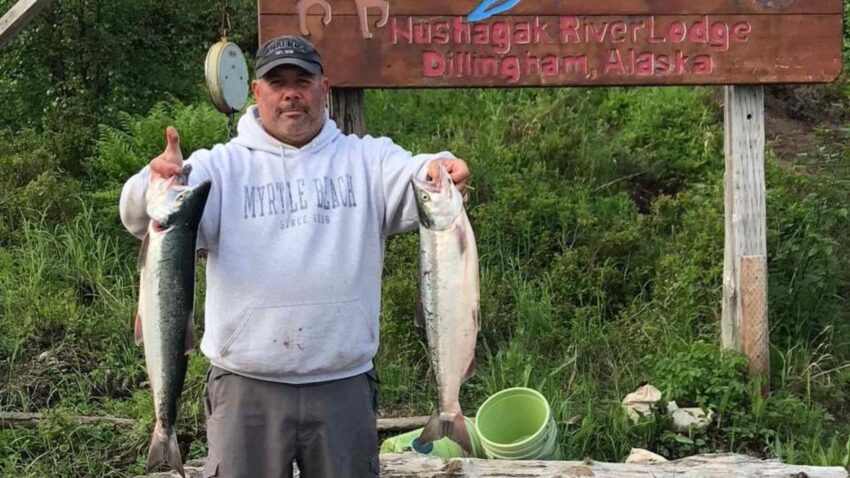
Nushagak Outfitters runs Alaska fishing vacations built around exactly this approach: remote water on the Nushagak River drainage, unguided trips structured around peak salmon and trout activity, and a camp setup that keeps the focus on fishing without turning the whole week into a logistics exercise. For anglers looking for the best salmon fishing in Alaska with the kind of full-trip experience, the operation delivers that through careful trip design and access to water that genuinely earns the Alaska reputation.