
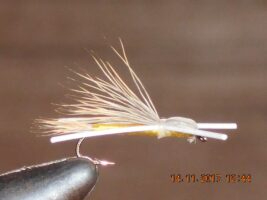
Hopper flies for trout are one of the most effective dry fly patterns when trout actively feed on grasshoppers and other large insects. In Kenya, these flies can produce exciting surface strikes, especially during warmer months and around grassy riverbanks.
Choosing the right hopper pattern is not only about appearance. Size, presentation, water conditions, and seasonal insect activity all influence how well a fly performs.
Why do hopper flies work so well for trout in Kenya?
The simple answer is that trout are opportunistic feeders. Whenever grasshoppers accidentally fall into the water, they become an easy meal.
Kenya’s rivers and streams are surrounded by natural vegetation where insects are abundant. During windy afternoons or warmer seasons, grasshoppers frequently land on the water surface, creating ideal feeding opportunities for trout.
A study published by aquatic ecology researchers has shown that terrestrial insects can make up a significant portion of a trout’s seasonal diet, especially during peak terrestrial insect activity. This explains why anglers regularly experience aggressive surface takes while fishing hopper patterns.
Key reasons hopper patterns are effective
- Large profile makes them highly visible.
- Floating design stays on the surface longer.
- Creates natural movement in flowing water.
- Matches seasonal terrestrial insects.
- Encourages confident strikes from larger trout.
When should you fish with hopper flies?
Timing can make a noticeable difference.
During late morning through early evening, grasshopper activity usually increases as temperatures rise. Windy weather also pushes more insects into rivers, giving trout additional feeding opportunities.
Experienced fly anglers usually switch to durable trout hopper fly patterns when they notice rising fish near grassy banks or shallow riffles.
Good conditions include
- Sunny afternoons
- Moderate breeze
- Late summer
- Early autumn
- River edges with tall grass
What makes a good hopper fly pattern?
Not every hopper fly performs the same way.
A quality fly combines realistic appearance with durability. Materials should maintain buoyancy after repeated casts while keeping the fly balanced on the surface.
Many experienced fly tiers recommend looking for:
- Strong hooks
- Secure thread wraps
- High floating materials
- Natural colour combinations
- Consistent hand tying
These details help the fly remain effective after catching multiple fish.
How should hopper flies be presented to trout?
Presentation usually matters more than distance.
Instead of casting repeatedly into deep water, anglers often target areas where insects naturally fall.
Effective locations include:
- Undercut banks
- Grassy shorelines
- Slow seams
- Pocket water
- River bends
Allow the fly to drift naturally with minimal drag. A drag-free presentation closely imitates a struggling grasshopper floating downstream.
Many experienced guides also recommend adding occasional small twitches to imitate the movement of a live insect.
Can hopper flies be used with other fly patterns?
Yes. Many anglers successfully combine a hopper with a smaller nymph below it.
This technique allows the hopper to work as both an attractor and a strike indicator.
For example:
An angler fishing a Kenyan highland stream may suspend a small bead-head nymph beneath a hopper. While the dry fly attracts surface attention, trout feeding below can still take the nymph. This combination increases the chances of hooking fish throughout the water column.
How do handcrafted flies improve fishing performance?
Handcrafted flies usually receive greater attention during production compared to mass-produced alternatives.
Professional fly tiers carefully inspect every stage, including:
- Hook alignment
- Thread tension
- Material placement
- Wing position
- Overall balance
This level of craftsmanship helps produce flies that float properly, maintain their shape, and remain reliable after repeated use.
Many experienced anglers value hand tied hopper flies Kenya because consistency becomes important when fishing challenging waters.
What should anglers consider before buying hopper flies?
Rather than selecting flies only by appearance, it helps to evaluate overall quality.
Look for:
- Reliable hook strength
- Premium tying materials
- Realistic insect proportions
- Durable construction
- Consistent finishing
Choosing premium hopper flies for trout can improve confidence on the water because well-made flies continue performing throughout multiple fishing trips.
How does local craftsmanship benefit fly fishing?
Flies produced close to natural trout fisheries often reflect years of practical fishing experience.
Patterns developed in Kenya are inspired by local aquatic ecosystems and terrestrial insects found around rivers, lakes, and streams.
This practical understanding allows skilled artisans to produce flies designed for real fishing conditions rather than simply matching catalogue images.
The combination of traditional fly-tying methods and modern materials creates dependable patterns suitable for anglers across different countries and fishing environments.
Looking for professionally handcrafted hopper flies for trout in Kenya?
For years, Trout Fly Fishing Flies Kenya has crafted premium handcrafted fishing flies inspired by Kenya’s natural aquatic ecosystems and rich fly-fishing heritage. Every fly is individually tied using carefully selected materials, thoroughly inspected for durability, and designed for dependable performance in rivers, lakes, and streams.
From a small workshop in Kenya’s highlands to serving anglers across six continents, the company continues to combine traditional craftsmanship with modern fly-tying techniques to produce reliable patterns trusted by fly fishers worldwide.
Trout Fly Fishing Flies Kenya
Address: Lr No, Limuru/Rironi 1129, Rironi Kinguru Road, Limuru East, Limuru, Kiambu, Kenya
PO Box: 937-00217, Kenya
Email: francis@troutflyfishingflieskenya.com
Phone: +254-208-117733 | +254-720-968005
Website: https://troutflyfishingflieskenya.com/