
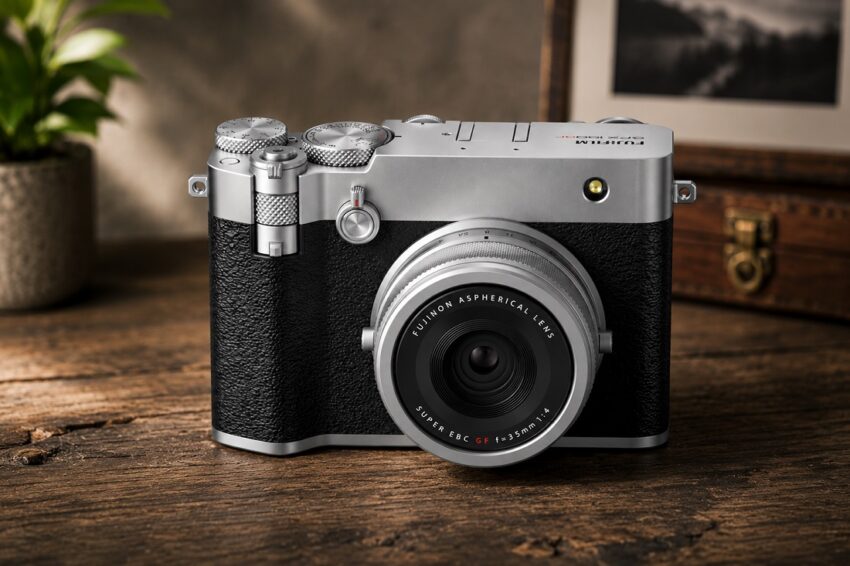
Photography technology has evolved rapidly over the past decade. Mirrorless systems, smartphone imaging, artificial intelligence, and computational photography have significantly changed how images are captured and shared. Despite these advancements, DSLR systems continue to hold an important place in the professional and enthusiastic photography worlds.
Many photographers still rely on DSLR equipment because of its reliability, image quality, ergonomic handling, and extensive lens ecosystem. While newer technologies have introduced alternative options, DSLR systems remain highly capable tools for a wide range of photography styles, including portrait, wildlife, sports, commercial, and landscape photography.
The Strong Foundation of DSLR Technology
DSLR systems have evolved over many years and have become highly refined tools designed for demanding photographic work. Their technology is built around proven performance and dependable operation across different shooting environments.
Professional photographers often value DSLR systems because they provide:
- Consistent image quality
- Reliable performance during long shoots
- Strong battery life
- Durable construction
These characteristics make DSLR systems especially useful for photographers who work in fast-paced or unpredictable conditions.
Optical Viewfinders Offer a Natural Shooting Experience
One of the defining features of DSLR systems is the optical viewfinder. Unlike electronic displays, optical viewfinders allow photographers to see directly through the lens without digital processing.
Many photographers appreciate this because it provides:
- A natural real-time view
- No display lag
- Better visibility in bright conditions
This shooting experience creates a stronger connection between the photographer and the subject.
Exceptional Battery Performance
Battery life continues to be one of the strongest advantages of DSLR systems.
Modern photographers often work in situations involving:
- Long shooting days
- Outdoor assignments
- Travel sessions with limited charging access
DSLR systems are known for their ability to capture thousands of images on a single charge, reducing interruptions during important shoots.
This reliability is particularly valuable for:
- Wedding photographers
- Wildlife photographers
- Travel professionals
- Event coverage teams
Strong battery performance allows photographers to focus more on creativity and less on equipment management.
Comfortable Ergonomics and Handling
Professional photography often involves carrying and operating cameras for extended periods.
DSLR systems are typically designed with:
- Deep hand grips
- Balanced body structures
- Easy-to-reach controls
These ergonomic features improve comfort and handling during long shoots.
Photographers working with larger lenses especially benefit from the balanced feel of DSLR bodies because they provide greater stability during handheld shooting.
Reliable Autofocus Performance
Modern DSLR autofocus systems continue to deliver excellent performance across many photography genres.
Advanced autofocus capabilities include:
- Fast subject acquisition
- Accurate focus tracking
- Multiple focus point selection
These features are especially useful in:
- Sports photography
- Wildlife photography
- Action photography
Reliable autofocus helps photographers capture sharp images consistently, even when subjects move unpredictably.
Strong Performance in Challenging Conditions
Professional photographers frequently work in environments where weather and lighting conditions are unpredictable.
DSLR systems are often designed to handle:
- Dust exposure
- Moisture and rain
- Temperature changes
- Long outdoor sessions
Durable construction improves confidence during professional work and reduces concerns about equipment reliability.
Extensive Lens Ecosystem
One of the biggest strengths of DSLR systems is their wide selection of compatible lenses.
Photographers have access to lenses designed for:
- Portrait photography
- Wildlife photography
- Sports coverage
- Macro photography
- Landscape work
The variety of available options allows photographers to build systems tailored specifically to their creative needs.
A high-quality DSLR camera lens can significantly influence image sharpness, depth, and overall visual style.
Image Quality Remains Highly Competitive
Modern DSLR systems continue to deliver excellent image quality capable of meeting professional standards.
Important image quality benefits include:
- Strong dynamic range
- Accurate color reproduction
- Detailed image rendering
- Reliable low-light performance
Professional photographers often prioritize consistency and tonal quality over trends alone.
Low-Light Capabilities
Low-light photography remains an important consideration for many professionals.
DSLR systems often perform strongly in:
- Indoor photography
- Event coverage
- Evening shoots
- Studio work
Larger sensors combined with high-quality optics allow photographers to capture cleaner images with reduced noise at higher ISO settings.
Strong low-light performance remains valuable across both professional and personal photography workflows.
Dependable Performance for Professional Workflows
Professional photography requires more than image quality alone. Reliability and workflow consistency are equally important.
DSLR systems continue to support:
- Long-duration shooting sessions
- Efficient file handling
- Stable operational performance
Photographers working on commercial assignments need equipment they can trust without hesitation.
The Importance of Lens Quality
Camera bodies play a major role in photography performance, but lenses often have an even greater impact on image results.
A quality DSLR camera lens contributes to:
- Better sharpness and clarity
- Improved subject separation
- More accurate color and contrast
Professional photographers carefully choose lenses based on their shooting style and creative goals.
Lens quality directly influences the final appearance of an image and often becomes a long-term investment within a photography system.
Why Many Professionals Still Prefer DSLRs
Despite growing interest in mirrorless systems, many photographers continue using DSLRs because they prioritize:
- Reliability
- Comfort
- Battery efficiency
- Optical shooting experience
The choice often depends less on trends and more on practical shooting preferences.
Professional photographers typically choose equipment based on how well it supports their real-world assignments rather than focusing solely on the latest technology.
The Emotional Connection to Photography
Photography is not only technical; it is also deeply personal and creative.
Many photographers develop strong emotional connections with DSLR systems because of:
- The tactile shooting experience
- Optical viewfinder immersion
- Physical interaction with settings and controls
These aspects contribute to a more intentional and engaging photographic process.
For many creatives, this experience remains difficult to replace.
Conclusion
The photography industry continues to evolve rapidly, introducing new technologies and imaging innovations every year. However, DSLR systems remain highly relevant because they continue delivering dependable performance, excellent image quality, and strong usability across a wide range of photography genres.
The DSLR camera continues to matter because it offers reliability, durability, ergonomic comfort, and an immersive shooting experience that many photographers still value deeply. From wildlife and sports photography to studio and commercial work, DSLR systems continue supporting professional workflows with consistency and confidence.