
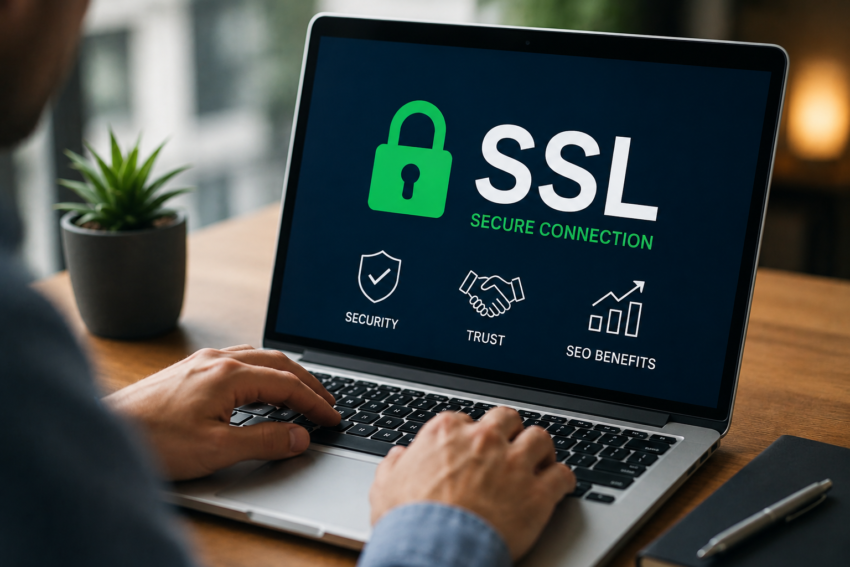
Website security has become a critical priority as users, search engines, and businesses demand safer online experiences. SSL certificates have evolved from being a premium security feature used by large organizations into an essential requirement for every modern website. Today, businesses, bloggers, and developers are increasingly adopting affordable and accessible security solutions to protect data, build trust, and improve online visibility. Without SSL encryption, websites risk losing credibility and user confidence. This makes Free SSL Certificates a necessary choice for secure, reliable, and successful digital platforms.
Browsers No Longer Trust Non-HTTPS Websites
Modern web browsers prioritize user safety by warning visitors when a website does not use HTTPS encryption. “Not Secure” alerts can create negative first impressions, reduce trust, and discourage users from continuing to browse or share personal information. As browser security standards have become stricter, HTTPS has evolved from an optional feature to a basic requirement for every website. Securing your site with SSL not only protects data but also improves credibility, user confidence, and overall online experience.
Search Engines Favor Secure Websites
Search engines give preference to secure websites that use HTTPS, making SSL an important factor for online visibility. HTTPS serves as a ranking signal, helping search engines recognize your website as more trustworthy and reliable. Secure websites also benefit from smoother crawling and indexing, allowing content to be discovered more efficiently. In addition, increased user trust often leads to better engagement, lower bounce rates, and improved conversion rates, all of which can contribute to stronger overall SEO performance.
Free SSL Certificates Remove Cost as a Barrier
Free SSL certificates have made website security accessible to everyone, eliminating cost as a reason to delay HTTPS adoption. Trusted providers now offer reliable SSL solutions at no charge, with many hosting platforms supporting automatic certificate issuance and renewal. This makes it simple to keep websites protected without ongoing manual effort or additional expenses. Since secure connections are both affordable and easy to maintain, budget is no longer a valid excuse for operating a website without HTTPS.
Every Website Handles Sensitive Information
Every website handles some form of sensitive information, making HTTPS essential regardless of its purpose. Contact forms, login pages, and newsletter signups often collect personal details that should be protected during transmission. Even websites without user accounts may process session data, browsing activity, and other information that can reveal user behavior. An SSL certificate encrypts these interactions, helping safeguard visitor privacy, reduce security risks, and demonstrate a commitment to protecting user data across your entire website.
SSL Is Essential for Modern Web Features
Modern websites rely on HTTPS to access many advanced web technologies and browser capabilities. SSL is required for secure APIs, enabling safe communication between websites and external services. It is also essential for Progressive Web Apps (PWAs), allowing features like offline access, push notifications, and app-like experiences. In addition, HTTPS supports modern protocols such as HTTP/2 and HTTP/3, improving speed and performance. Many browser features now require secure connections, making SSL a fundamental part of modern web development.
Improved Brand Credibility and Customer Trust
HTTPS plays a vital role in building brand credibility and strengthening customer trust. A secure connection reassures visitors that their personal information is protected, increasing confidence during purchases, account registrations, and online interactions. Websites displaying security indicators appear more professional, reliable, and committed to user privacy. This positive perception can encourage visitors to stay longer, complete transactions, and return in the future. Implementing SSL helps businesses establish trust while creating a safer and more credible online presence.
Common Myths About Free SSL Certificates
Many misconceptions about free SSL certificates prevent website owners from adopting HTTPS. One common myth is that only eCommerce websites need SSL, when in reality every website benefits from encrypted connections. Another misconception is that free SSL certificates provide weaker security, even though trusted providers offer strong encryption comparable to paid options. Some also believe SSL installation is complicated, but modern hosting platforms often provide automated setup and renewal, making website security simple and accessible for everyone.
When a Paid SSL Certificate May Still Be Worth Considering?
While free SSL certificates are sufficient for most websites, paid SSL certificates can still be beneficial in certain situations. Businesses that require Organization Validation (OV) or Extended Validation (EV) certificates may choose paid options to provide additional identity verification. Large organizations with enterprise infrastructure, multiple websites, or complex multi-domain environments can also benefit from advanced management features, dedicated support, and specialized certificate options. For these use cases, a paid SSL certificate may offer added value beyond basic encryption.
Free SSL certificates have transformed website security by making HTTPS accessible to everyone. With no cost barriers, easy installation, and strong encryption, HTTPS is no longer an optional feature but a basic requirement for every modern website. It protects user data, builds trust, supports SEO, and enables essential web technologies. Whether you’re launching a new website or updating an existing one, securing it with HTTPS should be a top priority to ensure a safer, more professional, and trustworthy online experience.