

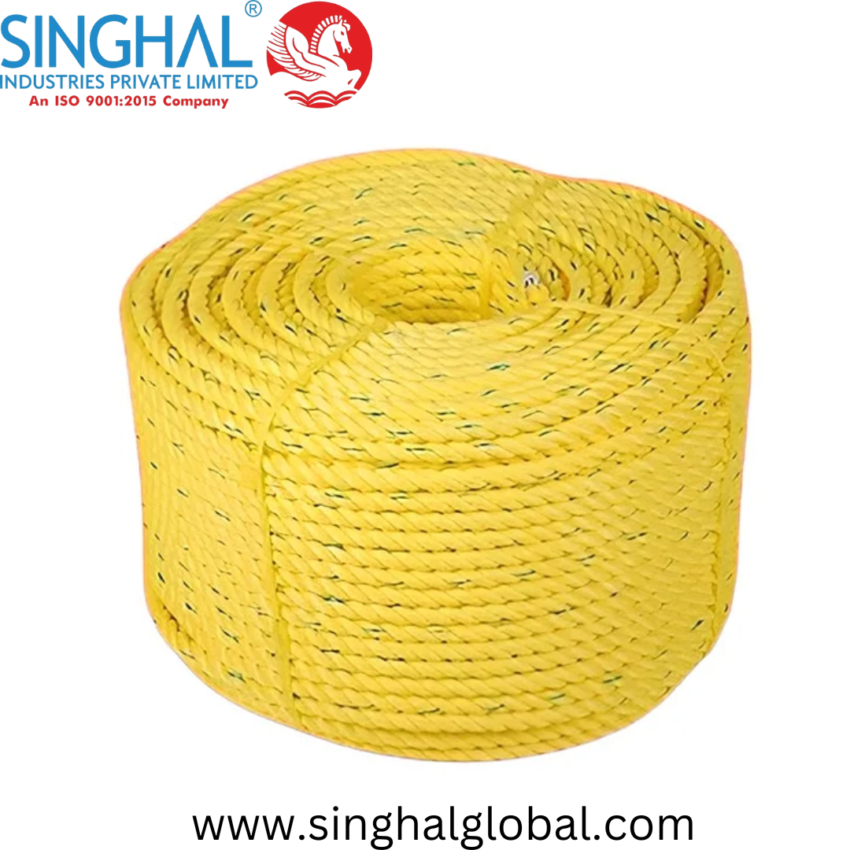
Modern industrial processes require materials that are able to function well in harsh operating conditions while maintaining safety, flexibility and strength duty cordage is used as the backbone for many day-to-day operations at manufacturing plants, shipping ports and agricultural sites. It is utilized to secure inventory, lift heavy objects and support unstable structures. Polypropylene cordage has become a critical product in the industry because of its unique properties and low price point compared to other types of synthetic fibers.
The Engineering Marvel of Polypropylene Polymers
The basis of this superior industrial device is the thermoplastic polymer used as an extrusion material, which has been recognized as a crystalline polymer with a high resistance to fatigue. When producing the device, the polymer resin is melted and drawn out into thin fibers; then these fibers are either twisted or braided together to form strong, durable strands that can withstand heavy mechanical forces. PP Rope Supplier is the unique arrangement of the molecules within the polymer that allows the finished product to maintain its structural properties throughout periods of continuous tension, rapid impacts and rubbing on abrasive surfaces.
Exceptional Tensile Strength and Load Management
Heavy industries often move large quantities of material which must be secured reliably through all aspects of the rigging/lifting operation. In comparison to standard natural fibers, high strength polypropylene lines provide higher tensile strength, enabling operators to use smaller, lighter diameter lines when moving and securing heavy materials. While the size of the line is reduced, this will not result in reduced safety factors; rather, it will allow for increased efficiency within the working area because these types of lines are easier to manage, coil, and deploy during times of high pressure operations.
Superior Resistance to Moisture and Marine Environments
In addition to being a continuous issue in marine transportation, commercial fishing, and outdoor building environments; organic cords used in these industries have short life spans due to rotting, swelling, or losing strength. Polypropylene is naturally water repellent (hydrophobic) and will not absorb water, allowing the polypropylene cordage to remain afloat in liquid environments and maintain its original dry weight and tensile rating. Polypropylene also has a high degree of moisture resistance which prevents the growth of mold, mildew, and bacteria that would otherwise shorten the usable life of the product in high humidity, wet, or underwater work environments.
Chemical Inertness and Resistance to Harsh Substances
Industrial environments provide many opportunities for exposing equipment to damaging chemicals such as acids, alkalis, solvents, and cleaning solutions which can quickly destroy typical fabric materials. Polypropylene with high strength has great chemical inertness, meaning it is resistant to deterioration and damage from most chemicals used in industry, as well as petroleum-based products. Because of its ability to resist damage from chemicals, it is commonly chosen as the best option for use in chemical processing plants, on oil drilling rigs, and in manufacturing plants where there is a possibility of chemical spills or corrosive vapors being released during operations.
Agricultural Utility and Crop Management
The marine industry utilizes strong, resilient synthetic ropes (lines) to anchor vessels, tow vessels, handle nets and moor vessels in harsh environments. Polypropylene is a type of rope that floats and has low weight which makes it visible in rough seas, and reduces the likelihood that it will become entangled with the propeller of a vessel while being docked or towed. Commercial fishing vessels use this type of rope to place nets at depths of several thousand feet below the surface of the ocean and to hold large amounts of fish until they are brought aboard the vessel, thereby reducing the amount of time that a vessel spends inactive and lowering the risk of injury to the crew.
Construction Site Safety and Material Handling
The modern agricultural sector is dependent upon reliable, durable synthetic cordage for greenhouse trellising, baling, livestock containment, and equipment tie-downs, as well as for many other applications in addition to large-scale industrial manufacturing and port operations. Farmers need to use materials which are capable of withstanding the damaging effects of UV radiation; wide variations in temperatures; and sustained high levels of tension caused by growing plants or moving hay bales. The reliability of high strength polypropylene provides farmers with the assurance that they will be able to continue to operate their farms efficiently during the spring planting season and the fall harvest season without experiencing unexpected failures of their cords.
The Vital Role of a Qualified PP Rope
Synthetic line is used in construction to create a safe zone around hazardous areas, move equipment up to the higher floors of a building, and hold temporary structures stable during high winds. The strength of the synthetic line helps prevent accidents and damage to the structure being built in busy city settings.
Sourcing from a Trusted PP Rope
When purchasing high quality industrial grade rope you need to partner with an experienced PP rope manufacturer. An experienced PP Rope Manufacturer uses the most advanced extrusion technology and strict quality control processes. A reputable manufacturer will test their raw resin input, verify the twist rate as they are twisting and braiding the rope, and complete a thorough breaking load test to meet international safety requirements. By working with a well-known manufacturer, you can be sure that your customer receives a consistent product with a uniform thickness and performance certification for industrial application.
Cost Efficiency and Long-Term Value
When looking at the price of purchasing a product from a budgetary standpoint, this is a significant factor. However, the real economic benefit of a product comes down to how long it will last and how often it requires maintenance high strength polypropylene line has such a long life span and needs very little maintenance, it provides a great value in terms of cost vs. performance. Since the line lasts significantly longer than traditional organic lines there are fewer replacements needed over time, resulting in less replacement labor cost and lower total operating expenses for industrial companies with limited operating budgets.
Safety Protocols and Inspection Best Practices
In addition to being extremely durable, current-day synthetic cordages have a need for routine inspections in order to keep the work environment safe for employees. Workers must regularly inspect each line to determine whether there is too much surface “fuzzing”, whether the line has been thermally glazed due to friction, if it has any cuts, or if it is chemically discolored, all of which may reduce the structural strength of the line. Setting up a protocol for replacement of worn lines will help ensure that worn lines are removed from the line before they break under a heavy mechanical load.
Environmental Considerations and Polymer Recycling
Modern industrial environments are under greater scrutiny to implement sustainable practices and reduce waste production within every aspect of their purchasing processes. Polypropylene is a recyclable thermoplastic polymer, which means that once a rope becomes unusable, it may be processed and utilized in manufacturing of new plastic products. Working with suppliers that prioritize using recycled polymers will allow industrial customers to achieve their organization’s sustainability goals while maintaining the same performance standards as necessary for demanding applications.
Conclusion
The use of high-strength polypropylene cordage is much more than a basic utility product. High-strength polypropylene cordage is a key engineering element which has been used to increase safety and productivity in many of today’s industrial applications. High-strength polypropylene cordage provides a combination of strength, buoyancy and resistance to chemicals. This unique combination makes high-strength polypropylene cordage a necessary product for applications including maritime navigation, agricultural management, construction rigging, and commercial manufacturing. Businesses that purchase quality products from a reputable manufacturer and work with a reliable distributor will be able to protect themselves against future operational disruptions.
Frequently Asked Questions
Who is the largest supplier of PP Rope?
Singhal Industries Private Limited is a leading and trusted global supplier offering high-quality, durable, and flexible PP Rope.
What materials are used to make this product?
This product is manufactured using premium-grade virgin polypropylene polymers for enhanced durability.
How is this product stored safely?
It should be stored in a cool, dry place away from direct sunlight and extreme heat sources.
What are the common applications for this item?
It is widely utilized across agricultural, industrial, packaging, and everyday household tying applications.
What key features make this item reliable?
High tensile strength, weather resistance, lightweight flexibility, and moisture tolerance ensure long-lasting utility.