
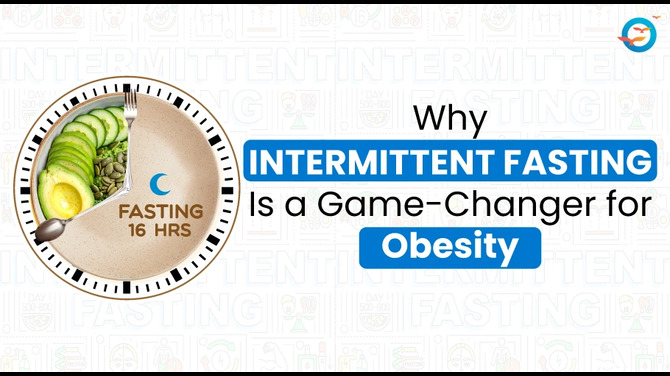
Why Intermittent Fasting Is a Game-Changer for Obesity?
Intermittent Fasting for Obesity
For individuals weighing over 100 kg, weight loss rarely feels simple or encouraging. Even basic physical activity can feel exhausting, the idea of going to the gym may feel overwhelming, and hunger often seems constant and uncontrollable. Many people assume this struggle is due to lack of discipline, but in reality, it is a metabolic issue, not a willpower problem.
In obese bodies, traditional weight-loss advice often fails because the body is already under extreme physical stress. This is why weight loss without exercise, when planned scientifically, can be more effective at the beginning. An intermittent fasting plan for weight loss works because it addresses the real issue, which is insulin overload and metabolic imbalance.
Why Obese Bodies Naturally Resist Exercise
When body weight crosses 100 kg, every movement becomes physically demanding. Activities such as walking, jogging, cycling, or swimming require the body to carry its own weight continuously. This makes exercise feel far more exhausting than it does for someone with a lower body weight.
In women, this challenge is even more pronounced. With body fat percentages often reaching 35 to 40 percent, muscles remain under constant load throughout the day. Simply standing, walking, or doing household tasks turns into a form of strength training. Because the body is already working so hard, two things happen naturally. First, exercise feels draining rather than energizing. Second, hunger signals remain switched on all the time. The body behaves as if it is constantly in workout mode, even without stepping into a gym.
The Real Reason Hunger Never Switches Off
When muscles are under continuous stress, the body demands a steady supply of calories, protein, and essential micronutrients. To meet this demand, people tend to eat frequently. While this feels natural, it creates a hidden problem.
Every time food is consumed, insulin levels rise. When eating happens multiple times throughout the day, insulin remains elevated for long periods. As long as insulin stays high, stored fat cannot be accessed or burned. This leads to a repeating cycle where hunger remains constant, eating becomes frequent, insulin stays high, and fat loss completely stalls. This is why many people feel stuck even when they believe they are eating carefully or reducing portion sizes.
Why Exercise Alone Rarely Works for Obesity
In obese bodies, exercise without insulin control often produces the opposite of the desired result. Increased physical activity raises hunger levels, which leads to increased food intake. More food means higher insulin, and higher insulin protects fat stores from being used as fuel.
This explains why so many people say they exercise regularly but do not lose weight, feel hungry all the time, or regain weight quickly after losing it. The problem is not lack of effort. The problem is insulin dominance, where the body remains locked in fat-storage mode despite movement and calorie control.
Why Fasting Works Where Exercise Fails
To unlock fat loss, insulin levels must come down. Fat needs to be starved of insulin, not muscles deprived of nutrition. This is exactly where fasting becomes powerful.
When food intake pauses during fasting, insulin levels drop naturally. Once insulin falls, the body finally gains access to stored fat for energy. This is why intermittent fasting for obesity works so effectively, especially in the early stages. When fasting is done correctly and safely, hunger gradually stabilizes, insulin suppression improves, and fat becomes the primary fuel source. This allows noticeable fat loss even without exercise at the beginning.
Nutrition Comes First, Then Insulin Control
The goal of fasting is not starvation. The real aim is to nourish the body properly first by ensuring adequate protein, minerals, and micronutrients. When the body receives proper nutrition, hunger signals reduce naturally.
Once nutrition is corrected, fasting becomes easier and more sustainable. As insulin levels drop, fat loss begins without forcing physical activity. Over time, as body weight reduces, the body feels lighter and more energetic. Only then does exercise become enjoyable, safe, and sustainable rather than exhausting.
Conclusion: Start Where Your Body Supports You
If you are obese, your body is not asking for tougher workouts or longer gym sessions. It is asking for insulin relief. Trying to force exercise without addressing insulin often leads to frustration, injuries, and burnout.
Learning to fast strategically helps reset hunger signals, improves metabolic flexibility, and allows fat loss to happen naturally. For obese bodies, weight loss does not begin in the gym. It begins by giving insulin a break. Once insulin comes under control, everything else, including energy, movement, and consistency, starts falling into place.
This approach is widely practiced in structured metabolic programs such as those offered by Freedom From Diabetes, where fasting is combined with nutrition and lifestyle correction for long-term results.
Learn more here: https://www.freedomfromdiabetes.org/