
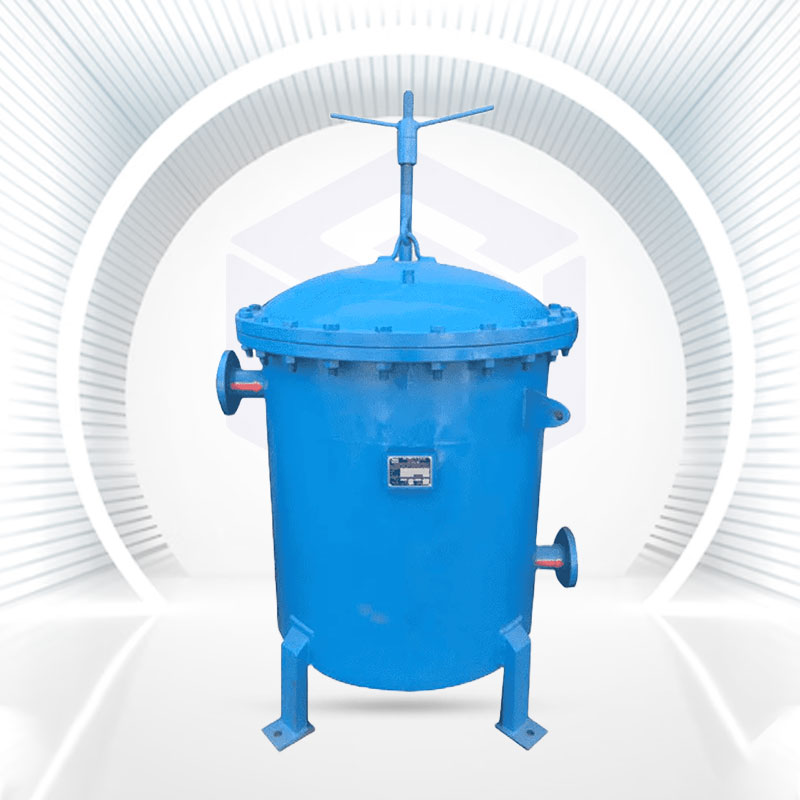
A leaking filter housing is one of those problems that looks worse than it usually is. Most leaks come down to one of a handful of straightforward causes, and once you know what to check, finding the source takes a few minutes rather than a few hours.
This post covers the four most common reasons filter housings start leaking and what to do about each one.
Why a Leak Needs Attention Right Away
This kind of housing is meant to be a sealed system. Fluid goes in, passes through the filter element, and comes out clean on the other side without escaping anywhere along the way. A leak means that seal has broken down somewhere, and depending on what is being filtered, that is not just a mess to clean up.
In chemical processing, oil and gas, and pharmaceutical applications, a leaking housing can mean lost product, contamination risk, or a safety hazard depending on the fluid involved. Even in less critical applications like water filtration or HVAC systems, a leak left unaddressed tends to get worse rather than better.
Worn or Damaged Gasket Seals
The gasket seal between the housing body and the cover is doing most of the work in keeping this kind of system leak-free. Over time, gaskets compress, harden, or degrade from exposure to heat, chemicals, or repeated opening and closing during filter changes.
A gasket that has lost its elasticity cannot create the tight seal it once did, even if it is tightened down properly. This is one of the most common causes of leaking and one of the easiest to fix.
The fix: Check the gasket for visible cracking, flattening, or hardening whenever the housing is opened for a filter change. Replace gaskets on a routine schedule rather than waiting for a leak to appear, since gasket material degrades gradually and is often past its useful life before a visible leak shows up.
Improper Closure or Insufficient Torque
A unit that is not closed properly will leak, even with a good gasket in place. Quick opening designs need correct alignment and enough clamping force to seal. Bolted covers need even torque across every bolt, not just a few tightened down hard.
Miss a bolt or rush the closure, and you create a gap somewhere around the seal. Fluid finds that gap, especially under pressure.
The fix: Follow the closure procedure for that specific design. Tighten bolts evenly, in the sequence the manufacturer specifies, not just whichever one is easiest to reach first. For quick opening types, check that the closure mechanism is fully engaged and aligned before pressurizing the system.
Damaged or Incorrectly Installed Filter Element
The filter element itself sits inside the housing and needs to seat correctly for the housing to seal properly around it. A damaged cartridge, bag, or basket, or one that has not been installed in the correct orientation, can create a path for fluid to bypass the seal entirely, which sometimes shows up as a leak at the housing rather than an obvious internal bypass.
This is a less obvious cause because the leak appears to be coming from the housing itself when the actual problem is the element inside it not sealing correctly against its mounting point.
The fix: Check that the filter element is undamaged and seated correctly before blaming the housing or the gasket. Confirm the element is rated for the system’s pressure and flow rate. An element that is under-specified for the job can fail in a way that looks exactly like a housing leak.
Corrosion or Material Incompatibility
This kind of housing needs to be made from a material that matches the fluid being filtered. Get that wrong and the material corrodes or breaks down over time. That damage compromises the seal eventually, no matter how good the gasket or closure technique is.
This cause takes longer to develop than the others on this list but is more serious when it occurs, since the integrity of the housing body itself is affected rather than just a seal or closure issue.
The fix: Confirm the filter housing material, whether stainless steel, polypropylene, polycarbonate, or another option, is correctly matched to the fluid being filtered and the operating temperature and pressure of the application. If corrosion or visible material degradation is present, the housing should be assessed for replacement rather than relying on a tighter seal to compensate.
A Quick Way to Narrow It Down
Start with the gasket, since that is the fastest thing to check and the most common cause. If the gasket looks fine, move to the closure technique and confirm even torque or correct engagement of the closure mechanism. From there, check the filter element itself for damage or incorrect seating. If none of those explain the leak, material compatibility and corrosion become the more likely cause, and that warrants a closer inspection of the housing body.
Keeping the Housing Sealed
Most leaks in this kind of system come down to something straightforward, a worn gasket, uneven closure, a misaligned element, or a material mismatch with the fluid. Working through the common causes in order, starting with the simplest, usually identifies the source quickly.
Guru Technology has been manufacturing filter housings in India for over 25 years, with configurations including single, multi-basket, cartridge, duplex, and multiplex designs, built in stainless steel, polypropylene, and polycarbonate. If you are dealing with a persistent leak or need a housing correctly specified for your application, get in touch with the team.
Frequently Asked Questions
Q: How often should the gasket on a filter housing be replaced?
Ans: It depends on the operating environment, the fluid being filtered, and how frequently the housing is opened for filter changes. As a general guideline, inspecting the gasket at every filter change and replacing it at the first sign of hardening or cracking, rather than waiting for a leak, keeps the seal reliable.
Q: Can a filter housing leak even if the gasket is in good condition?
Ans: Yes. Improper closure, an incorrectly seated filter element, or corrosion in the housing material can all cause leaks independent of gasket condition. That is why working through each potential cause systematically, rather than assuming the gasket is always the problem, finds the actual source faster.
Q: What is the difference between a leak from the housing seal and a leak caused by the filter element?
Ans: A seal leak typically shows up consistently around the cover or closure point. A leak caused by a damaged or improperly seated filter element can sometimes present similarly, but checking the element directly, looking for damage, confirming correct orientation, rules this out or confirms it as the cause.
Q: How do I know if my filter housing material is suitable for the fluid I am filtering?
Ans: Chemical compatibility between the housing material and the fluid should be confirmed at the specification stage, based on the fluid’s chemical properties, concentration, and the operating temperature. If there is any uncertainty about an existing installation, consulting with the manufacturer about the specific fluid and operating conditions clarifies whether the current material is appropriate.
Q: Is it safe to keep using a filter housing that has a minor leak?
Ans: It depends on what is being filtered. A minor leak with a non-hazardous fluid in a low-pressure application might be tolerable for a short period while a repair is arranged. With hazardous, corrosive, or high-pressure applications, any leak should be treated as a reason to take the system out of service until the cause is identified and fixed.