
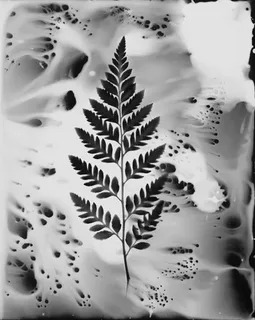
Additionally, Photogram Photography highlights form, contrast, and texture in ways that conventional photography sometimes cannot achieve. Because the technique focuses on shadows and shapes, it often produces images that appear artistic, mysterious, and deeply expressive. Therefore, many photographers and art collectors continue to admire this unique process.
Explains how Photogram Photography works, why it remains relevant in modern art, and how it connects with other monochrome styles. Furthermore, examples associated with Peter Dreyer Photography demonstrate how creative experimentation can transform simple subjects into elegant artwork. Consequently, readers gain a deeper understanding of the artistic value and visual impact of Photogram Photography.
The Artistic Simplicity of Photogram Photography
One of the most appealing aspects of Photogram Photography is its simplicity. The process begins with photographic paper placed under a light source. Objects are arranged on top of the paper, and light passes around them during exposure. Areas covered by objects remain light, while exposed sections turn darker after development.
As a result, the final image reveals the outline and internal texture of the objects. This direct interaction between light and material creates a distinctive visual effect that feels both minimal and expressive.
Moreover, the technique encourages creative experimentation. Photographers can arrange everyday objects in endless combinations. Leaves, feathers, flowers, and small natural elements often produce particularly elegant results. Consequently, Photogram Photography transforms simple materials into abstract visual art.
Light, Shadow, and Visual Structure
Light is the central element in Photogram Photography. Because the technique does not involve a camera lens, light interacts directly with the objects placed on the photographic surface. This interaction produces strong contrasts between illuminated and shadowed areas.
Furthermore, shadows create detailed silhouettes that emphasize structure and texture. For instance, delicate shapes like feathers reveal intricate patterns when exposed to light. Similar effects appear in black and white feather photography, where texture and fine lines become the focal point.
Additionally, monochrome tones enhance the artistic effect. Many photograms are created in black and white because the absence of color highlights contrast and form. Therefore, black and white photogram photography remains the most widely practiced variation of the technique.
Everyday Objects Become Abstract Art
Another advantage of Photogram Photography is its ability to turn common objects into visually compelling artwork. Items found in nature often work especially well because their shapes are organic and detailed.
For example, flowers create striking silhouettes when used in photograms. Petals, stems, and leaves reveal delicate outlines that appear almost sculptural. This visual style closely relates to black and white photography flowers, where shape and structure become the primary artistic elements.
Similarly, natural materials such as leaves or feathers produce layered textures that enhance the image. Consequently, Photogram Photography invites viewers to observe familiar objects from a completely new perspective.
The Historical Importance of Photogram Photography
Photogram Photography has played an important role in the development of modern photographic art. The technique dates back to the early nineteenth century, long before modern cameras became widely available.
Artists experimented with placing objects directly on light-sensitive surfaces to capture their outlines. These early experiments laid the foundation for creative photographic processes that would later influence modern art movements.
Photographers associated with experimental art continued to explore photograms throughout the twentieth century. Their work demonstrated that photography could move beyond documentation and become a medium for artistic expression.
Why Photogram Photography Matters Today
Even in the digital age, Photogram Photography remains relevant. Many artists appreciate the hands-on nature of the process. Unlike digital photography, photograms involve direct physical interaction with light-sensitive materials.
This tactile approach encourages creativity and experimentation. Photographers must carefully arrange objects, control lighting, and observe subtle changes during exposure. Consequently, each photogram becomes a unique artwork.
Additionally, collectors often value photograms because they combine historical techniques with modern artistic vision. Works from Dreyer Photos illustrate how traditional methods can produce contemporary fine art pieces that appeal to modern audiences.
Influence on Modern Photography Styles
Photogram Photography has influenced many other photographic styles. The emphasis on shape, texture, and contrast appears in several monochrome genres.
For instance, the structural beauty found in black and white landscape photography often mirrors the tonal simplicity seen in photograms. Both styles rely heavily on contrast and form to guide the viewer’s attention.
Similarly, black and white feather photography and floral photography share visual characteristics with photograms. The focus on delicate textures and organic shapes reflects the same artistic principles.
Therefore, Photogram Photography continues to shape how photographers approach composition and design.
Photogram Photography in Artistic Displays and Design
Beyond the photography studio, photograms also play an important role in interior design and art collections. Their abstract appearance makes them ideal for modern decorative spaces.
Monochrome photograms blend easily with contemporary interiors. Because they use neutral tones, they complement a wide range of color palettes and design styles. Additionally, the simplicity of photograms often creates a calm and balanced visual atmosphere.
Natural subjects such as flowers, feathers, and leaves work especially well in decorative settings. When displayed as framed artwork, they introduce subtle organic beauty into living or workspaces.
Practical Applications in Modern Art Spaces
Photogram artwork frequently appears in galleries, offices, and minimalist homes. Designers appreciate the clean shapes and balanced contrast typical of photograms.
For example, a framed piece featuring black and white photography flowers can soften the atmosphere of a contemporary room. Likewise, feather-inspired photograms may add elegance and visual texture.
Furthermore, photograms can serve as focal points in artistic displays. Their abstract forms attract attention without overwhelming surrounding décor. Consequently, Photogram Photography offers both aesthetic beauty and practical design value.
The Emotional and Conceptual Appeal of Photograms
Photograms often feel mysterious because they capture only shadows and outlines. The absence of traditional photographic detail encourages viewers to interpret the image in their own way.
Moreover, the technique creates a sense of immediacy. Because objects touch the photographic surface directly, the resulting image feels intimate and authentic. Each photogram becomes a physical record of light interacting with real materials.
This conceptual depth makes Photogram Photography appealing to both artists and audiences. The images invite reflection while maintaining strong visual simplicity.
The Future of Photogram Photography
Despite advances in digital imaging, Photogram Photography continues to inspire artists worldwide. Modern photographers combine traditional darkroom methods with digital experimentation to create new variations of the technique.
Educational institutions and photography workshops also teach photogram processes as part of artistic training. Students often discover that the method helps them understand the fundamental relationship between light and image creation.
Consequently, Photogram Photography remains both a historical technique and a contemporary creative practice.
FAQs
What is Photogram Photography?
Photogram Photography is a camera-less technique where objects are placed directly on light-sensitive paper and exposed to light, producing shadow-like images and silhouettes.
Why is black and white photogram photography so common?
Black and white tones highlight contrast and shape. Without color distractions, viewers can focus on texture, outlines, and composition.
What objects work best for photograms?
Natural objects such as feathers, flowers, leaves, and small plants often produce beautiful photograms because of their intricate shapes and textures.
Is Photogram Photography still used by modern artists?
Yes, many contemporary photographers continue to explore photograms because they combine historical techniques with creative experimentation.
Conclusion
Photogram Photography remains one of the most creative and distinctive methods in photographic art. By placing objects directly onto light-sensitive surfaces, photographers create striking images that highlight shape, texture, and contrast. Moreover, the simplicity of the technique allows everyday objects to become powerful visual compositions.
Works associated with Peter Dreyer Photography demonstrate how photogram techniques can transform natural subjects into refined artistic pieces. Additionally, connections with styles such as black and white feather photography, black and white photography flowers, and black and white landscape photography show the broader influence of this method.
Ultimately, Photogram Photography continues to inspire artists because it reveals the beauty of light and shadow in their purest form. Its timeless approach ensures that this fascinating technique will remain an important part of photographic art for generations.